



You bought a house with a century of character, and now you’re finding out that character comes with opinions. The plaster has opinions. The heart pine floors have opinions. That gorgeous original window in your Inman Park bungalow? Strong opinions, mostly about moisture.
These cleaning tips are for anyone keeping an older Atlanta home beautiful without accidentally erasing what makes it special. Because here’s the uncomfortable truth: the wrong cleaning product can do more damage in ten minutes than ninety years of Georgia summers. Modern cleaners were made for modern surfaces. Your 1915 Craftsman didn’t get the memo.
Let’s fix that.

How Do You Clean a Historic Home Without Damaging It?
Short answer: use less of everything. Less water, less product, less scrubbing pressure. Historic materials like plaster, unsealed wood, and original hardware were built to last, not to survive a bottle of all-purpose spray with a pH that could strip paint off a battleship. Start with the gentlest method (dry dusting, a barely damp cloth, mild soap), and only escalate if the dirt refuses to negotiate.
That’s the whole philosophy. Everything below is just that idea applied room by room.
House Cleaning Tips for Original Hardwood and Heart Pine Floors
If your Grant Park Victorian still has its original floors, congratulations, you’re standing on lumber that literally cannot be bought anymore. Old-growth heart pine is denser and more beautiful than anything at the hardware store, and it deserves better than a soaking wet mop.
Water is the enemy. Old floors often have gaps between boards, worn finishes, or no finish at all in spots. Water seeps in, wood swells, boards cup, and suddenly you’re getting quotes from restoration specialists who charge like cardiologists.
Instead:
Felt pads on everything
Your antique dresser weighs as much as a Buick. Give the floor a fighting chance.
Dry methods first
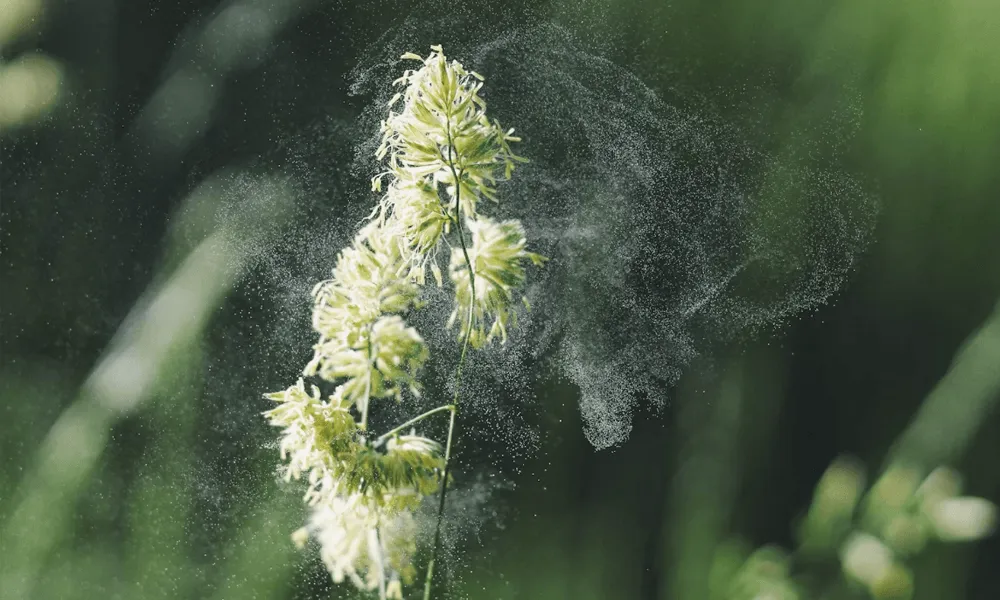
Vacuum with a soft floor attachment or use a microfiber dust mop. Grit is what scratches floors, and Atlanta’s pollen season delivers grit by the truckload.
Damp, never wet
If you must mop, wring the mop until it’s barely moist. The floor should dry within a minute.
Skip the shine products
Wax buildup and acrylic “restorers” create a gummy film that’s miserable to remove later. If the finish looks tired, that’s a refinishing conversation, not a product purchase.
Plaster Walls, Old Windows, and the Things That Hate Water
Plaster walls are wonderful. They’re solid, they muffle sound, and they crack if you look at them wrong. Cleaning them is mostly about restraint. Dust with a dry microfiber cloth or a vacuum brush attachment. For marks, try a dry cleaning sponge (the kind used after fires) before reaching for anything damp. Scrubbing plaster with a wet abrasive sponge is how you turn a smudge into a repair estimate.
Original wood windows deserve the same courtesy. Clean the glass with a spray applied to your cloth, not the glass, so liquid doesn’t pool on the muntins and wick into hundred-year-old glazing putty. And if your windows have wavy glass, that’s not a defect. That’s the good stuff. People in Druid Hills pay extra for wavy.
Unlacquered brass hardware, marble mantels, original tile: mild soap, soft cloth, done. Vinegar etches marble. Ammonia darkens brass. When in doubt, water and patience beat chemistry.
Lead Paint, Old Dust, and the Health Side of Historic Houses
Time for the professional 20% of this article. Homes built before 1978 very likely contain lead paint somewhere, and homes built before 1940 almost certainly do. Intact lead paint under newer layers is generally fine. The danger is dust from chipping, peeling, or friction surfaces like old window sashes.
So: wet-wipe window troughs and sills rather than dry sweeping them, use a HEPA vacuum, and never dry-sand old painted surfaces yourself. If paint is deteriorating, bring in an EPA lead-safe certified pro.
This stuff matters more than people think. Dr. Joseph Allen, who directs the Healthy Buildings program at Harvard’s T.H. Chan School of Public Health, has built his research around a simple premise: buildings can either make us sick or keep us well, and indoor environments shape our health far more than most of us realize. In a house that’s been collecting dust since the Coolidge administration, how you clean is a health decision, not just an aesthetic one.
Humidity: Atlanta’s Gift to Your 1910 Bungalow
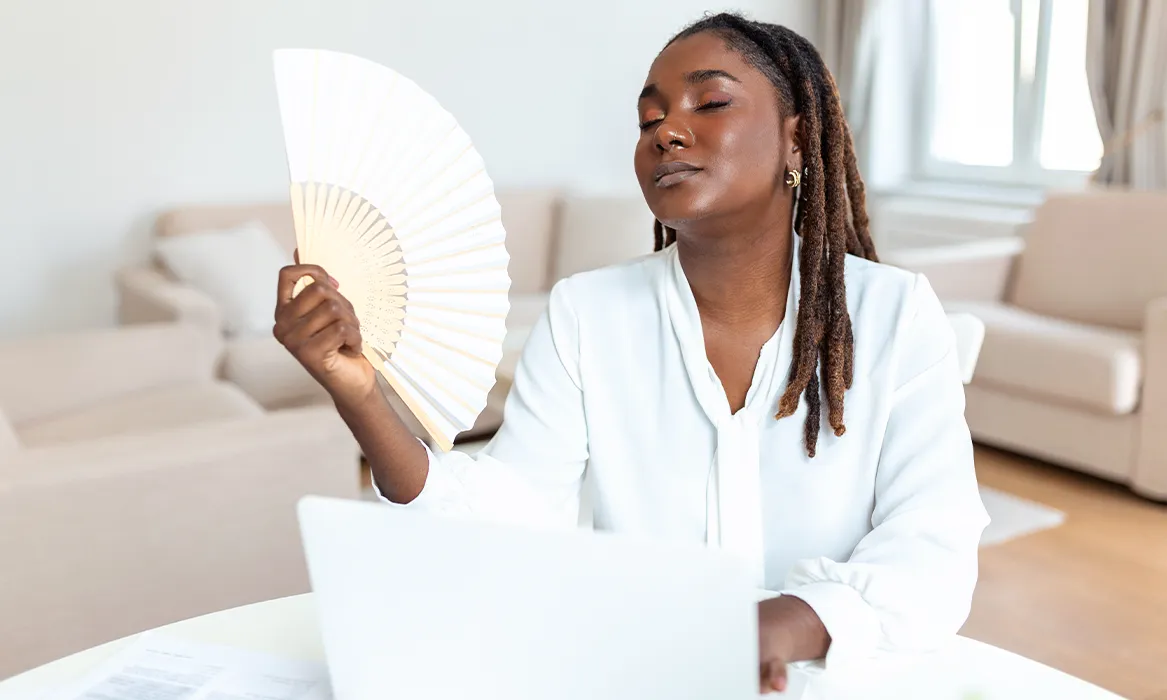
Older homes in Atlanta breathe. That was intentional design before air conditioning existed, and it worked beautifully in 1912. In 2026, it means your Decatur four-square is in a long-term relationship with humidity, and humidity brings friends: mildew, musty basements, and swollen doors that stick every August.
A few habits help more than any product:
- Treat mildew spots early with a mild solution, and figure out the moisture source instead of just cleaning the symptom on repeat.
- Run exhaust fans during and 20 minutes after every shower.
- Keep a dehumidifier in basements and crawl-space-adjacent rooms, aiming for under 50% humidity.
- Wipe down window sills and troughs monthly, since condensation loves single-pane glass.
- Don’t push furniture flat against exterior plaster walls. Air needs to circulate or mildew moves in behind the sofa like a bad roommate.
Hosting an Airbnb in a Historic Home?
Here’s where things get interesting. A restored Craftsman in Cabbagetown or a Victorian near Smyrna’s square is Airbnb gold. Guests love staying somewhere with a story. Guests also love dragging roller suitcases across irreplaceable heart pine and running the shower with the fan off.
Turnover cleaning in a historic home isn’t a speed run. It’s a speed run with rules. Whoever cleans between guests needs to know which surfaces take which products, because a well-meaning cleaner with a bottle of bleach spray can cost you a marble vanity top in one enthusiastic afternoon. Write a surface guide for your property. Laminate it. Treat it like the sacred text it is.
And schedule a deep clean quarterly. High guest traffic ages a home faster than family life does, and small problems (a lifting floorboard, a soft window sill) get expensive when ignored.
About MaidThis Cleaning of Atlanta

If you’d rather hand the delicate stuff to people who’ve seen it before, MaidThis Cleaning of Atlanta connects homeowners and Airbnb hosts with cleaners screened through a five-step process, only the top 2% of applicants make the cut.
You get flat upfront pricing, a Never a No-Show Guarantee for hosts on a turnover deadline, and a 100% Happiness Guarantee: if something’s not right, it gets recleaned free within two hours of you flagging it. Your 1920s charmer stays charming, and your Saturday stays yours. Book online in about a minute.