


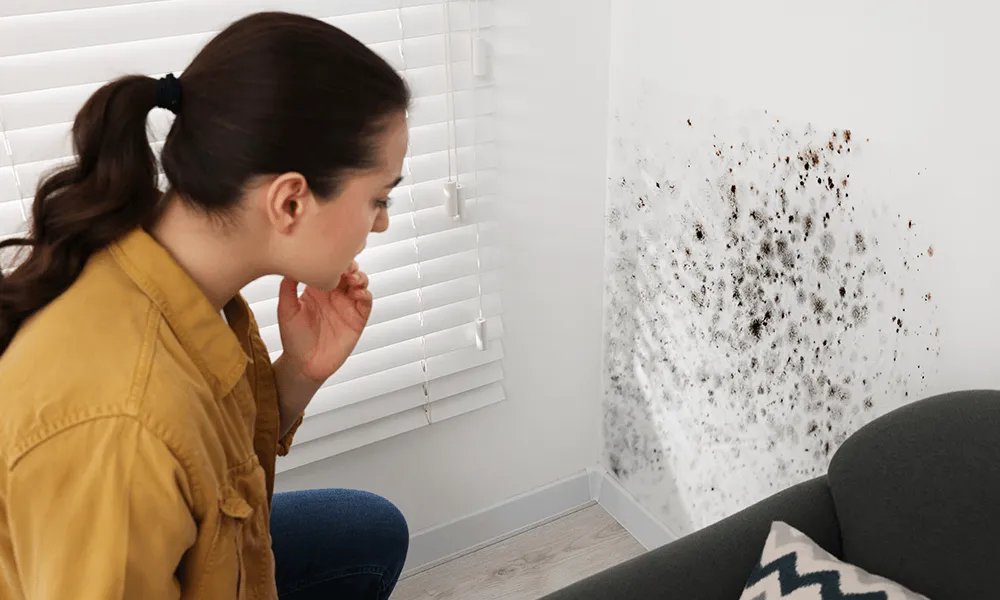
Imagine walking into your bathroom on a Tuesday morning and noticing a dark patch creeping up the corner of your shower wall. You scrub it away, but two weeks later, it’s back — bigger this time. Sound familiar?
If you own a home in Cape Coral or Fort Myers, that scenario isn’t just common. It’s practically a rite of passage. The combination of relentless heat, thick humidity, and frequent rain makes Southwest Florida one of the most mold-prone regions in the entire country. And once mold gets a foothold, it moves fast.
This article breaks down exactly how to prevent mold in Florida homes — from understanding why our local climate makes things so much harder, to the room-by-room habits that actually keep spores from colonizing your walls, ceilings, and hidden corners. We’ll cover ventilation, HVAC maintenance, cleaning routines, and what to do when prevention isn’t quite enough.
How Common Is Household Mold in High Humidity Climates
The numbers are sobering. According to the EPA, mold is present in roughly 70% of homes at any given time, and that figure climbs sharply in high-humidity states like Florida. Research published by the National Institute of Environmental Health Sciences found that damp indoor environments were identified in nearly 50% of U.S. homes — and Florida consistently ranks among the worst states for moisture-related indoor air quality issues.
Why Mold Is a Constant Battle for Cape Coral and Fort Myers Homeowners
Living in Southwest Florida has a lot going for it. The weather is warm, the sunsets over the Gulf are genuinely beautiful, and you’re never far from the water. But that same warm, wet environment that makes this place so appealing? It’s basically a five-star resort for mold.
Florida’s Humidity and Heat Create the Perfect Mold Environment
Mold doesn’t need much to get started. It thrives in any environment where humidity climbs above 50%, and in Cape Coral and Fort Myers, humidity averages between 70% and 80% year-round. That’s not a seasonal spike — that’s just Tuesday in January. Add in daytime temperatures that rarely dip below the 70s, and you’ve got warm, moisture-saturated air pressing against every surface in your home. Walls, ceilings, grout lines, and even the underside of furniture become potential breeding grounds.
How Cape Coral and Fort Myers Homes Are Especially Vulnerable
Hurricane season runs from June through November here, bringing heavy rainfall that can saturate building materials faster than they can dry out. Even without a direct storm hit, the sustained moisture during those months is enough to push mold growth into overdrive. Southwest Florida homes also run air conditioning almost constantly, which sounds helpful — but it creates its own problem. When AC systems aren’t maintained regularly, condensation builds up inside the ductwork and drip pans, turning your HVAC system into a mold distribution network every time the air kicks on.
Understanding How Mold Grows Inside Your Florida Home
Before you can stop mold from spreading, it helps to understand what it’s actually after. Mold isn’t random — it follows moisture like a trail of breadcrumbs, and it shows up in predictable places once you know what to look for.
The Three Things Mold Needs to Thrive
Mold spores are everywhere. They float through the air inside and outside every home, completely invisible and totally harmless — until they land somewhere that gives them what they need to grow.
Those three things are:
- Moisture — the biggest factor, especially in humid climates like ours
- A food source — organic materials like wood, drywall, grout, and fabric work perfectly
- Warmth — Florida’s year-round heat means this condition is almost always met
Take away the moisture, and you break the chain. That’s why so much of how to prevent mold in Florida homes comes back to managing water and humidity inside the house.
Common Areas in Your Home Where Mold Hides First
Mold tends to appear first in the spots that stay damp longest. Bathrooms are the obvious culprit — grout lines, caulking around the tub, and the ceiling above the shower are all high-risk zones. Kitchens follow closely, especially under the sink and around the refrigerator’s drip pan.
But plenty of mold starts in places you’d never think to check: inside closets on exterior walls, beneath bathroom rugs that never fully dry, and behind washing machines where a slow hose leak goes unnoticed for months.
Seasonal Patterns That Increase Mold Risk in Southwest Florida
The risk isn’t constant throughout the year — it peaks hard during hurricane season. Between June and November, Cape Coral and Fort Myers get hammered with rainfall, and homes absorb that moisture through windows, doors, and rooflines in ways that add up quickly.Even after a storm passes, the lingering humidity keeps interior surfaces damp far longer than in drier climates. That extended damp window is exactly when mold colonizes fast, making post-storm cleaning and inspection a non-negotiable habit for local homeowners.
What Happens When Mold Goes Undetected Too Long
Mold can begin growing within 24 to 48 hours of water exposure, according to the EPA. That means a slow drip under the sink, a poorly sealed window after a rainstorm, or a bathroom exhaust fan that’s not doing its job can all quietly kick off a mold problem before you ever see or smell anything.
Left unchecked, mold spreads into drywall, insulation, and subflooring — materials that are expensive and disruptive to replace. It also degrades indoor air quality in ways that can affect your family’s health over time.
Health Impacts Associated With Long-Term Mold Exposure
This isn’t just a cosmetic problem. The CDC links prolonged mold exposure to upper respiratory symptoms, chronic coughing, throat irritation, and worsened asthma — particularly in children and older adults. A study from the Institute of Medicine confirmed a direct association between damp indoor environments and respiratory illness in otherwise healthy people.
What Florida Homeowners Spend on Mold Remediation Each Year
Here’s where it really stings. Professional mold remediation in Florida averages between $1,500 and $9,000 depending on severity, according to HomeAdvisor.
In Cape Coral and Fort Myers, where hurricane season regularly pushes moisture into walls and crawl spaces, remediation costs can exceed that range considerably. Prevention — through consistent cleaning, ventilation, and moisture control — costs a fraction of that.
How to Manage Indoor Humidity Levels Year-Round
Keep your indoor humidity below 50% — that’s the threshold where mold stops thriving. A simple hygrometer (under $15 at any hardware store) tells you exactly where you stand. Run dehumidifiers in bedrooms, closets, and any room that feels stuffy, especially during hurricane season when outdoor moisture peaks.
- Fixing leaks and water intrusion points around your home: Mold can begin growing within 24-48 hours of water exposure, so a slow drip under the sink isn’t something to deal with “later.” Walk your home monthly and check under cabinets, around window frames, near the base of toilets, and along exterior walls. After heavy storms — which Southwest Florida gets plenty of — inspect your roof and attic for new water stains.
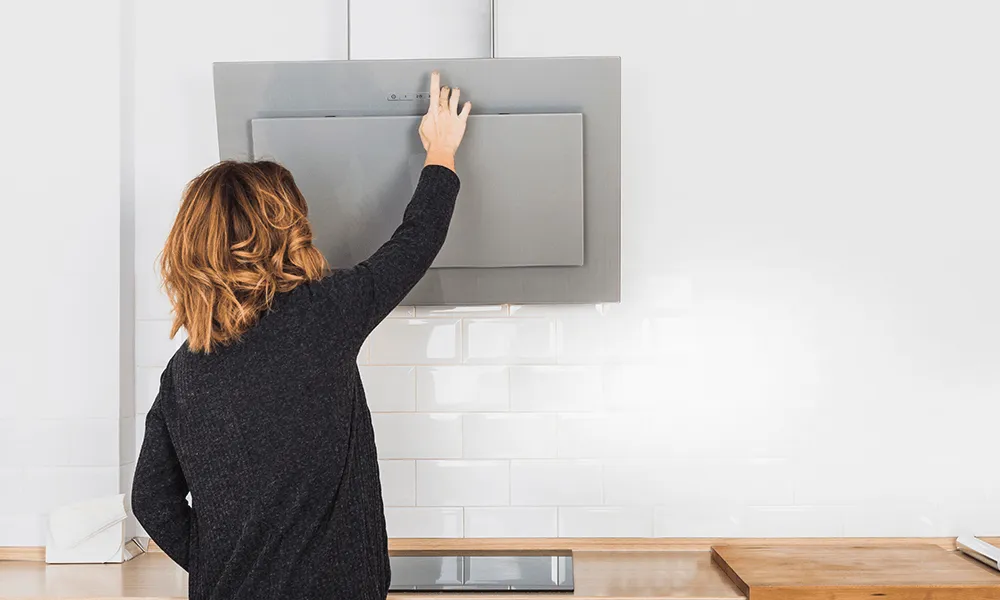
- Ventilation strategies for bathrooms, kitchens, and laundry Rooms: Run exhaust fans during showers and leave them running for at least 15 minutes after you’re done. In the kitchen, use your range hood whenever you’re cooking. Dryers should always vent directly outside — never into a wall cavity or crawl space. These three rooms generate the most moisture in any home, and consistent airflow makes all the difference.
Improving Indoor Air Quality to Reduce Mold Risk
You can’t see mold spores floating through your home, but they’re there. The good news is your HVAC system and a few smart choices can dramatically cut your exposure.
In Cape Coral and Fort Myers, air conditioners run almost constantly, which means condensation builds up inside ductwork year-round. Without regular HVAC maintenance and duct cleaning, that moisture becomes a mold breeding ground pushing spores into every room. Schedule professional duct cleaning at least once a year and check your drain pan and evaporator coil regularly for standing water.
Use MERV-11 or higher filters in your HVAC system — they catch mold spores that lower-rated filters miss. Change them every 30-60 days in Florida’s climate, not the 90-day schedule designed for drier regions. A HEPA air purifier in bedrooms adds another layer of protection, which matters given that the American Lung Association reports mold exposure triggers asthma attacks in 21% of people with asthma.
Closets, pantries, and rooms with closed doors trap humid air fast. Leave interior doors open when possible, and don’t push furniture flush against walls — that gap allows air to circulate. According to the EPA, roughly 50% of homes have some type of mold problem, often in exactly these overlooked pockets where airflow stagnates.
How Regular House Cleaning Supports Mold Prevention
With humidity sitting between 70-80% year-round here, there’s no real “off-season” for mold risk. Homes in Cape Coral and Fort Myers need consistent attention — not just a deep clean once in a while. Scheduled cleaning keeps moisture-prone areas like bathrooms, kitchens, and laundry rooms from becoming the warm, damp, neglected spots that mold absolutely loves.
Mold spores are always floating through the air — that’s just reality in Southwest Florida. The difference is whether they find a surface to settle and grow on. Regular cleaning disrupts that process by removing organic matter (soap scum, grease, dust) that spores feed on. Weekly bathroom cleaning, in particular, is one of the most research-backed ways to stop mold before it ever becomes visible.
A Simple Weekly and Monthly Mold Prevention Checklist
Every week: – Wipe down shower walls, tub surrounds, and bathroom surfaces – Run exhaust fans during and 20 minutes after every shower – Check under kitchen and bathroom sinks for drips or moisture – Empty and clean any dehumidifier water trays
Every month: – Inspect window seals and door frames for condensation buildup – Check your AC drip pan and clean if needed – Wipe down refrigerator door seals and the drip tray underneath – Look behind toilets and washing machines for slow leaks
What Professional Cleaners Target That Most Homeowners Miss
Most people wipe down visible surfaces and call it done. Professional cleaners go further — scrubbing grout lines where mold spores hide, cleaning exhaust fan covers that trap moisture and dust, and sanitizing under-sink cabinet interiors where slow leaks go unnoticed for weeks. These are exactly the spots where a colony quietly gets its start.
If you’ve fallen behind on bathroom cleaning or your home has that faint musty smell — don’t wait. Mold spores spread fast in Florida humidity, and a thorough professional cleaning removes buildup before it colonizes. The best place to start? A recurring home cleaning from MaidThis Cleaning of Cape Coral and Fort Myers. Our cleaning teams tackle the bathrooms, kitchens, and moisture-prone surfaces that matter most.
You now know what mold needs to grow — and more importantly, how to take that away from it. Let’s put it all together into something you can actually use.