



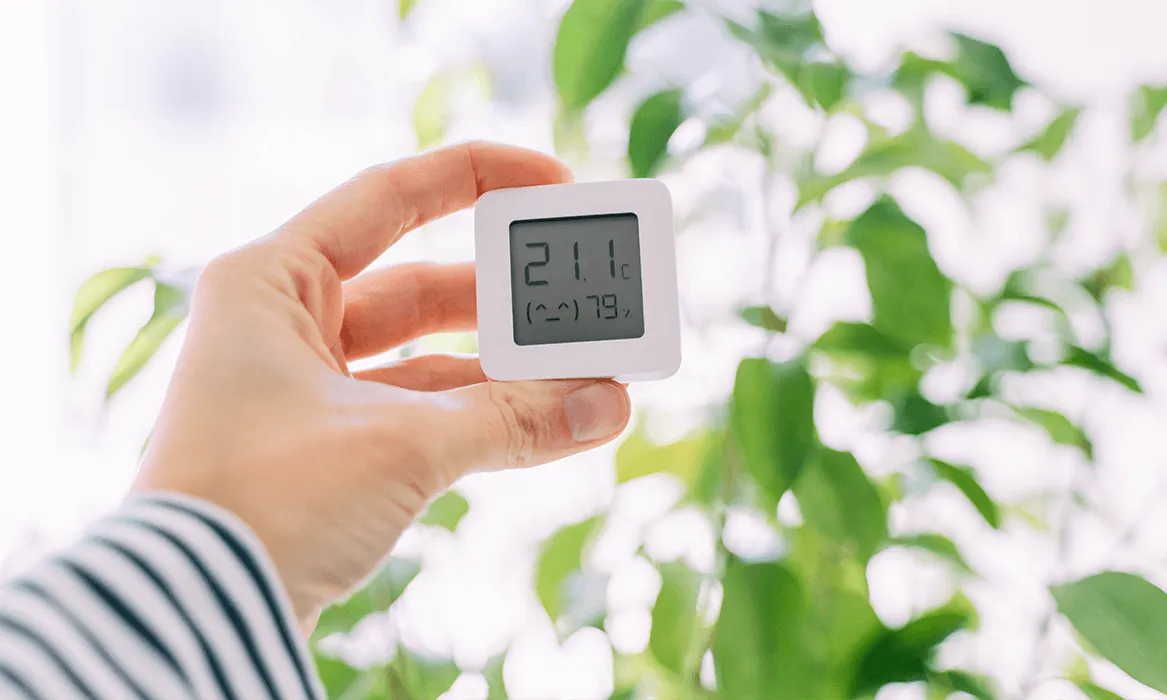

Summer in Hamilton County turns your home into a slow cooker, and all that moisture makes cleaning harder, slower, and oddly more frequent. If you have ever wiped a counter at 9 a.m. and found it sticky again by lunch, you are not losing your mind. You are just living with humidity in house levels that would make a greenhouse jealous. The air gets thick, surfaces stay damp, and dust suddenly clings like it signed a lease.
That is the problem. The bigger problem is what happens when you ignore it. Damp air feeds mold, locks in odors, and turns a quick tidy-up into a recurring chore. The good news is that once you understand how moisture behaves indoors, you can clean smarter instead of just more often. Let’s get into it.
Does Summer Humidity Really Make Your House Harder to Clean?
Yes, and it is not your imagination. Warm, moist air keeps dust, pollen, and grime stuck to surfaces longer, slows down drying, and creates the kind of damp environment where mold and mildew throw house parties. In a humid Indiana July, the same cleaning routine that worked in April suddenly feels like bailing water out of a canoe with a teaspoon.
Here is why. When the air is saturated, moisture does not evaporate off your floors, counters, and bathroom tile the way it should. Everything stays a little tacky. That tackiness grabs onto airborne particles, so dust settles faster and sticks harder. Mix in the lake-adjacent reality of neighborhoods near Geist Reservoir or Morse Reservoir up by Noblesville, and you get pockets of the metro where high humidity is basically a roommate who never pays rent.
The Science Behind the Sticky
Moisture is the whole ballgame when it comes to mold. Building scientist Joseph Lstiburek, founder of Building Science Corporation, is well known in his field for a simple principle: you cannot have a mold problem without a moisture problem. Take away the water, and the mold has nothing to eat.
The numbers back him up. The EPA recommends keeping indoor relative humidity between 30 and 50 percent to limit mold growth. Once you climb past 60 percent, you have rolled out the welcome mat. During a sticky Carmel August, indoor levels can creep well above that without a dehumidifier or some smart habits, which is exactly why summer cleaning feels different from winter cleaning.
Where High Humidity Hits Your Home the Hardest
Not every room suffers equally. Some spots in your house basically become humidity magnets while others coast through summer just fine. Knowing the trouble zones helps you aim your energy where it counts instead of scrubbing everything twice.
The usual suspects when high humidity in house air starts misbehaving:
- Bathrooms. Steam plus poor ventilation equals grout that grows things. That pink or black film around the tub is mildew, and it loves a Fishers summer.
- Basements. Cooler surfaces meet warm, damp air and you get condensation, musty smells, and that unmistakable “old gym bag” funk.
- Closets and laundry rooms. Stagnant air, fabric everywhere, and zero airflow. A perfect storm.
- Kitchens. Cooking adds moisture, and combined with summer air, grease and grime cling harder to backsplashes and range hoods.
- Window sills and corners. Condensation pools where cool glass meets humid air, and corners stay damp long enough to discolor paint.
If you live in an older home around Lawrence or one of the newer builds in The Village of West Clay, the layout changes which rooms struggle most, but the pattern holds. Wherever air sits still and damp, problems multiply.
The Smell Factor Nobody Warns You About
Humidity does not just make surfaces dirty. It makes your house announce it. Damp air carries odor molecules around like a town gossip, so last night’s salmon, the dog who got caught in a rainstorm, and the towels that never quite dried all blend into one ambient funk. You stop noticing it after a while, which is the cruel part. Your guests do not.
This is where a lot of folks reach for a plug-in air freshener and call it a day. That is like spraying cologne on a problem instead of showering. The smell is a symptom. The fix is drying things out and cleaning the surfaces holding the moisture, not masking it with fake lavender.
Why Airbnb Hosts Feel Indiana Humidity Even More
If you rent out a place on Airbnb or VRBO around Westfield, Zionsville, or near the Monon Trail, summer moisture is not just annoying, it is a review risk. Guests walk into a short-term rental with their noses on high alert. A faint musty smell or a spot of mildew on the shower caulk reads as “this place is not clean,” even when the floors are spotless.
Turnover cleaning between guests already runs on a tight clock. Add humidity, and surfaces that need to be dry before the next check-in simply are not. Bedding that sat in a humid room can feel slightly damp. Bathrooms that were scrubbed at noon can fog up and re-spot by the time the next guest arrives.
A few moves that protect your rating during the sticky months:
- Run the AC or a dehumidifier between bookings, even when the place is empty, to keep that baseline moisture down.
- Pull back shower curtains and crack closet doors so air can move.
- Wash and fully dry linens with margin to spare, never right up against check-in time.
- Check grout, caulk, and window tracks every few turnovers, since that is where mildew sneaks in first.
How to Actually Fight Summer Moisture
You cannot change the weather, but you can change how your home handles it. The goal is simple: reduce the dampness, then clean the surfaces where moisture likes to settle. Do those two things and the rest of your routine gets dramatically easier.
Practical habits that pull their weight all summer:
Run Exhaust Fans Like You Mean It
Fifteen minutes after a shower, not fifteen seconds. Same goes for the range hood while cooking.
Get a Dehumidifier for the Trouble Zones
Basements especially. Aim to keep things in that 30 to 50 percent sweet spot.
Wipe Down, then Dry
In a humid house, leaving surfaces wet just restarts the problem. A dry microfiber pass is your best friend.
Move the Air
Ceiling fans, box fans, cracked closet doors. Stagnant air is what lets mildew dig in.
Tackle Grout and Caulk Early
Catching pink mildew when it first shows beats fighting black mold in August.
None of this requires a chemistry degree. It just requires doing the right small things consistently, which, if we are being honest, is the part that quietly falls apart by mid-July when you would rather be at the pool than scrubbing a shower.
When You’d Rather Hand It Off

This is the moment a lot of homeowners and hosts decide the summer fight is not theirs to win solo. That is where MaidThis Cleaning of Carmel-Fishers comes in. The cleaners who handle your home are background-checked and bonded, vetted through a five-step screening process, and they know exactly which surfaces summer moisture punishes first.
Whether it is your lived-in home off Heather Knoll or a busy Airbnb in McCordsville, the job gets matched to a vetted local cleaner who shows up and gets it right.
You can request eco-friendly products if that matters to your household, and while you can note a preferred cleaner, the easy win is simply getting consistent, reliable help during the months your home needs it most.
So here is the bottom line, brought back around: summer humidity in house air makes cleaning harder, but it does not have to make your life harder. Dry things out, hit the trouble spots, and hand off the heavy lifting when you would rather enjoy the season. Book your Carmel-Fishers cleaning today and let summer be summer again.