





Keeping sinks and drains clean means no unpleasant odors and maximum household hygiene. Over time, soap scum, grease, sludge, and food particles accumulate and breed bacteria and awful smells. Regular cleaning is the solution.
Here’s an easy step-by-step guide using both natural and store-bought solutions that explain how to rinse, apply cleaners, scrub, and rinse both sinks and drains. Instructions are included for not only drains but also all the most common types of sinks. Keep in mind that regular maintenance will keep all your sinks and drains fresh and sanitary.
Supplies You’ll Need to Get Started
Consider acquiring some or all of the following supplies. They work well with sinks made of copper, stainless steel, and porcelain.
- Mild dish soap. It won’t damage surfaces.
- Baking soda. Buy in bulk for long-term help with minimizing odors and stains.
- A large bottle of white vinegar.
- Several non-abrasive cloths and sponges.
- Several drain strainers. They prevent food from getting into the drain.
- Several old toothbrushes for cleaning in tight places.
- A half-dozen pairs of rubber gloves to protect skin from chemicals and debris.
- A nearby pot for boiling several quarts of water.
How to Clean a Kitchen Sink
For people who value a hygienic cooking environment and a fresh-smelling kitchen, cleaning sinks is a must. The most popular types of sinks are copper, porcelain, and stainless steel. Note that each one requires a particular cleaning regimen to maximize functionality, appearance, and hygiene. Here are simple directions for cleaning each type of sink.
How to Clean a Stainless-Steel Sink
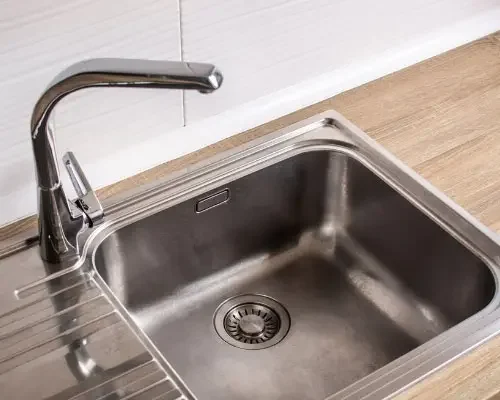
There are more stainless steel sinks than any other kind, thanks to their sturdy build and ability to resist stains. Follow these two steps to clean them properly.
Step 1: Cleaning
Spread a thin but even layer of baking soda over the sink’s surface. With a non-abrasive sponge, scrub in the direction of the grain to remove buildup and stains. Add a little water and vinegar to the sponge for difficult areas.
Step 2: Rinsing
When you’re done with the scrubbing phase, rinse away residues with warm water. Last, use a microfiber cloth to thoroughly dry the sink surface. Doing so boosts the shine and prevents water spots.
How to Clean a Copper Sink

Copper sinks are beautiful but can be a challenge to care for. Here’s how to keep them looking great.
Step 1: Cleaning
Begin by mixing a water-and-baking soda paste. Then, add the mixture to the surface, using a soft sponge or cloth to gently scrub. Be aware that copper scratches easily, so work slowly. Add a little salt and vinegar on tough spots, rubbing them in with a sponge, and letting the mixture set for 5 minutes.
Step 2: Rinsing
Use a warm-water rinse to wash down debris. Use a soft cloth to dry immediately after rinsing. Drying minimizes oxidation (rusting) and adds a wonderful luster to the copper.
How to Clean a Porcelain Kitchen Sink
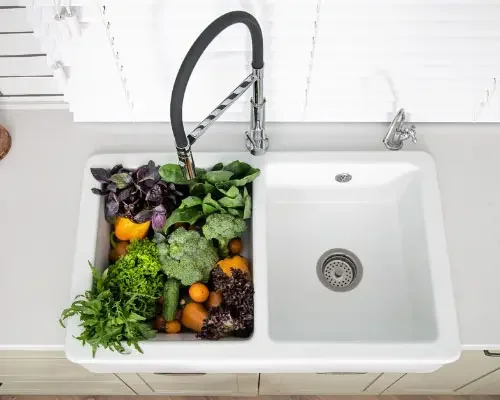
Like copper, porcelain sinks can be difficult to clean. But, regular attention maximizes the natural glow of the porcelain. Here’s how to brighten them.
Step 1: Cleaning
Add baking soda evenly to the entire sink surface. The soda acts as a very gentle abrasive cleanser. Use circular motions to scrub with a soft sponge. Pay attention to stains. Consider dish soap and hot water to address tough stains and discolored areas. Vinegar also does a good job of lifting stains from porcelain.
Step 2: Rinsing
Rinse with warm water to flush down cleaning residues. Use a soft cloth to wipe down the sink surface and prevent water spots. Buff the porcelain for a minute or so with the cloth to enhance the natural glow of the porcelain.
How to Clean a Granite Composite Sink
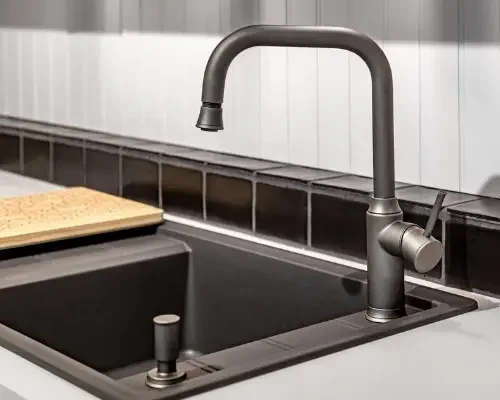
Granite composite sinks are strong and stain-resistant but require special care to prevent discoloration.
Step 1: Cleaning
Mix mild dish soap with warm water and use a soft sponge to wipe down the sink. For tough stains, create a paste with baking soda and water, then scrub gently using a soft brush. Avoid using acidic cleaners like vinegar or lemon, as they may dull the finish.
Step 2: Rinsing
Rinse the sink with warm water and dry thoroughly with a soft cloth to prevent mineral buildup. Apply a small amount of mineral oil and buff with a cloth for extra shine.
How to Clean a Cast Iron Sink

Cast iron sinks with enamel coatings are durable but can stain over time.
Step 1: Cleaning
Sprinkle baking soda across the sink’s surface, then scrub gently with a sponge or soft-bristled brush. For stubborn stains, apply a paste of hydrogen peroxide and baking soda, let it sit for 10 minutes, then scrub lightly. Avoid using steel wool or harsh abrasives that can scratch the enamel.
Step 2: Rinsing
Rinse the sink with warm water and dry with a microfiber cloth to prevent water spots. Applying a light layer of car wax can help protect the enamel from stains.
How to Clean a Kitchen Sink Drain
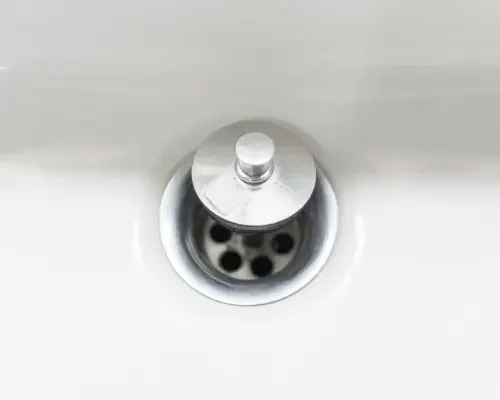
Clear the drain first, and then deodorize it. Here’s how.
Step 1: Cleaning
Remove all visible debris and add a drain strainer if you don’t already have one. Dissolve and dislodge unwanted buildup by pouring a full pot of boiling water down the drain. Add baking soda and vinegar for stubborn clogs. Let everything sit for 15 minutes. Repeat with one more pot of boiling water to completely clean a kitchen sink drain.
Step 2: Deodorizing
Deodorizing a drain is similar to cleaning a sink with baking soda. Pour a half cup of baking soda directly into the drain. Next, pour the same amount of vinegar into the drain. After a few minutes, rinse with warm water to maintain a clean, fresh-smelling drain.
9 Essential Maintenance Tips for Super-Clean Sinks and Drains
Here are some helpful do’s and don’ts for people who value clean kitchen sinks and clean kitchen sink drains. Follow them diligently, and your sinks and drains will stay clean, odor-free, and fully functional.
- Rinse the Sink Every Time You Use It: One aspect of knowing how to clean a kitchen sink involves rinsing with warm water and drying the surface after each use. This easy step minimizes the accumulation of soap scum, grime, food residue, and other debris, all of which helps avoid clogs and stains.
- Never Pour Grease or Coffee Grounds into a Drain: Coffee grounds and grease are natural enemies of sinks and drains. That’s because they can lead to major blockage when they solidify. Be smart when cleaning: throw grounds in the trash and put grease in a container before disposing of it.
- Use a Drain Strainer to Catch Food Particles: Inexpensive drain strainers are ideal for minimizing the number of food particles that end up in a drain. The clever little items are simple to clean and collect plenty of debris, thus preventing odors and clogs.
- Use Baking Soda and Vinegar Once Per Week: Cleaning a sink with baking soda and vinegar on a weekly basis neutralizes odors and breaks down built-up grime and sludge. Just pour a half-cup of baking soda into the drain, followed by an equal amount of vinegar. Let it all sit for a few minutes before rinsing with hot water.
- Check for Leaks: Early detection of plumbing leaks under the sink can prevent expensive repairs and potential damage to pipes. Solution: Inspect all under-sink areas once per week for leakage. Call a plumber at the first sign of trouble.
- Run Hot Water Twice a Week: One of the easiest parts of learning how to clean a kitchen sink is running warm water down the drain two times per week, for a few minutes each time. This practice dissolves grease and accumulated food particles.
- Clean Faucet Aerators: Once per month, clean all your faucet aerators to minimize buildup of minerals, prevent leaks, and promote good water flow.
- Use Non-Toxic Drain Cleaners: When cleaning a kitchen sink drain, only use non-toxic products. Doing so is best for the long-term health of your plumbing.
- Schedule Professional Sink/Drain Cleaning Services: Hire professionals to clean the kitchen sink drain and sink itself. For example, monthly services can prevent odors, clogs, sludge buildup, and other problems.
MaidThis to the Rescue

Want help with kitchen and other cleaning? MaidThis specializes in cleaning every home in the house, deep cleaning jobs, and especially getting rid of sludge, grime, stains, and odors in sinks and drains.
You get trouble-free maintenance and expert care from day one. Contact MaidThis and leave all the sink, drain, and other cleaning chores to a team of experienced professionals.
Franchise Opportunity
If the idea of being your own boss with a solid business model and national brand recognition sounds good, consider boosting your chance of success by acquiring a MaidThis cleaning franchise. Owners get complete support and training so they can deliver top-notch services.
Additionally, all owners have full access to a powerful marketing strategy to build a loyal customer base. Cleaning services are in demand, which means high income and growth potential, financial autonomy, and a bright future for MaidThis owners.