


Here’s the bottom line before you scroll: keeping your ideal home humidity between 40 and 60 percent is the single cheapest thing you can do to protect your house, your air, and your sanity along the Grand Strand. Everything below is just the how.
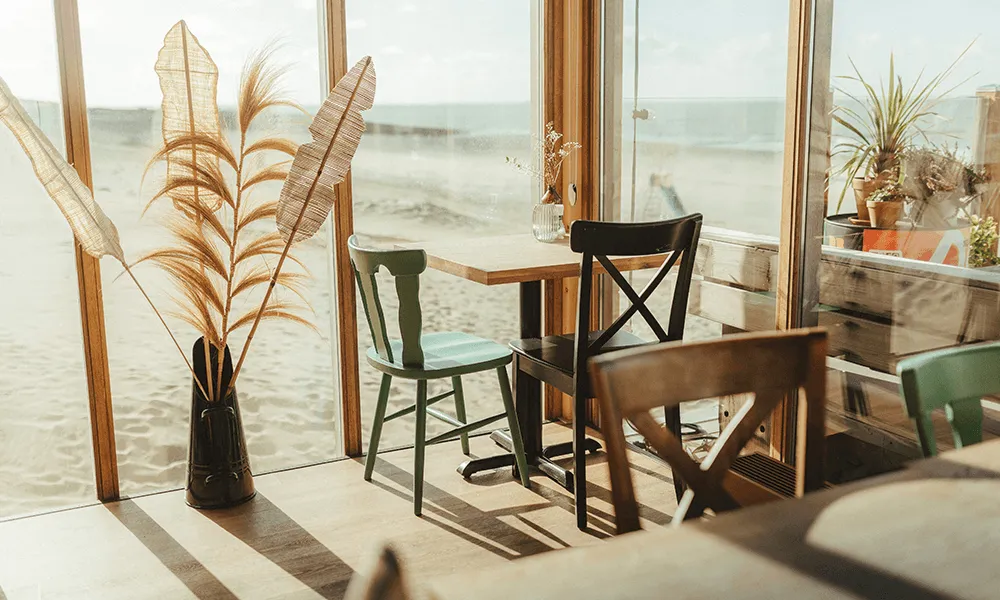
Now, the fun part. If you live in Myrtle Beach, you already know the ocean is beautiful, the sunsets are unreal, and the air is basically soup from May through September. That soup is the problem. Coastal humidity doesn’t knock politely. It moves into your drywall, throws a party in your HVAC ducts, and invites mold as the guest of honor. You paid for a home near the water, not a terrarium.
So let’s talk about how to keep the good part of coastal living (the view) without the bad part (the smell of a gym bag that’s been in a trunk since July).

What Is the Ideal Humidity for a Home in a Coastal Climate?
The ideal humidity for a home sits between 40 and 60 percent relative humidity, and in a place like Myrtle Beach, you want to live closer to the low end of that range, around 45 to 50 percent. Any higher and you’re feeding mold. Any lower and your skin, your wood floors, and your sinuses start filing complaints.
That range isn’t a number somebody made up to sell dehumidifiers. Researchers Sterling and Arundel published a landmark 1986 review concluding that adverse health effects are minimized when indoor relative humidity stays between 40 and 60 percent. Above 60 percent, mold spores germinate and dust mites multiply. Below 40, viruses hang in the air longer and your throat turns into the Sahara. The sweet spot is real, and it’s narrow.
The catch on the coast is that hitting that number takes actual effort. Inland, your house drifts toward dry. Here, everything drifts toward damp. Gravity, but make it moisture.
Why High Humidity Hits Harder Near the Water
You’d think a beach town and a lakeside cabin in Ohio would face the same humidity math. They don’t. Salt air, constant onshore breezes, and daytime temperatures that refuse to drop mean the humidity in a house near the ocean is fighting a war on multiple fronts.
A few things stack up against you in neighborhoods like Surfside Beach, Garden City Beach, and North Myrtle Beach:
- Salt-laden air carries moisture that settles on surfaces and speeds up corrosion on fixtures, hinges, and vents.
- Sandy soil drains fast but leaves crawl spaces damp, feeding moisture up through your floors.
- Short-term rental turnover means doors and windows open constantly, and AC units get switched off between guests, which is basically ringing a dinner bell for mildew.
That last one matters if you rent your place on Airbnb or Vrbo. A guest checks out Sunday, the next one arrives Thursday, and for three days your unit sits sealed, warm, and humid. Come back to that and you’re not cleaning a condo, you’re excavating one.
Inland spots like Conway, Longs, and Red Hill get a milder version of this. They deal more with pollen and hard water than salt. But make no mistake, when the humidity in your house climbs past 60 percent anywhere in Horry County, the same problems show up: musty smells, warped baseboards, and that suspicious dark speckling in the corner of the bathroom.
How to Decrease Humidity in Your House Without Losing Your Mind
Good news. You do not need a degree in HVAC engineering to fix this. You need a handful of habits and maybe one appliance. Here’s how to decrease humidity in your house before it decreases the value of your house.
Run a Dehumidifier Where It Counts
This is the workhorse. Put one in the areas that stay damp longest: bathrooms, laundry rooms, and any bedroom that shares a wall with the outdoors. A decent unit will hold a room in that 45 to 50 percent range even on a swampy August afternoon. Empty the tank, or plumb it to a drain if you’d rather not babysit it.
Use Your AC like the Dehumidifier It Secretly Is
Air conditioning pulls moisture out of the air as it cools. If you’re leaving a rental empty between guests, do not shut the system off completely. Set it to around 78 degrees. It costs a few dollars in electricity and saves you a mold remediation bill that starts with a comma.
Ventilate the Wet Rooms
Run the bathroom exhaust fan during every shower and for a solid fifteen minutes after. Same with the kitchen range hood when you’re boiling shrimp for a low country boil. Steam has to go somewhere, and “into your ceiling” is the wrong answer.
Fix the Small Leaks Fast
A dripping pipe under the sink or a slow toilet leak adds gallons of moisture into the air over a month. Grab a wrench or grab a plumber, but don’t let it ride.
Check Your Crawl Space and Attic
Both trap humidity you never see until it becomes a smell. A vapor barrier down below and proper attic ventilation up top do quiet, unglamorous, hugely important work.
Do these five things and you’ve handled maybe 90 percent of your humidity battle. The other 10 percent is showing up consistently, which, let’s be honest, is where most of us fold.
The Sneaky Ways High Humidity Ruins a Home
You won’t always see high humidity. You’ll notice its receipts. Sticky doorknobs. Windows that fog on the inside. Towels that never quite dry. A closet that smells like a basement even though you’re on the second floor.
Left alone, that moisture does expensive things. Wood swells and warps. Paint bubbles and peels. Electronics corrode from the inside. And mold, the big one, doesn’t just look bad, it can trigger allergies and respiratory issues for anyone in the house or any guest who booked your rental expecting a vacation, not a sinus infection.
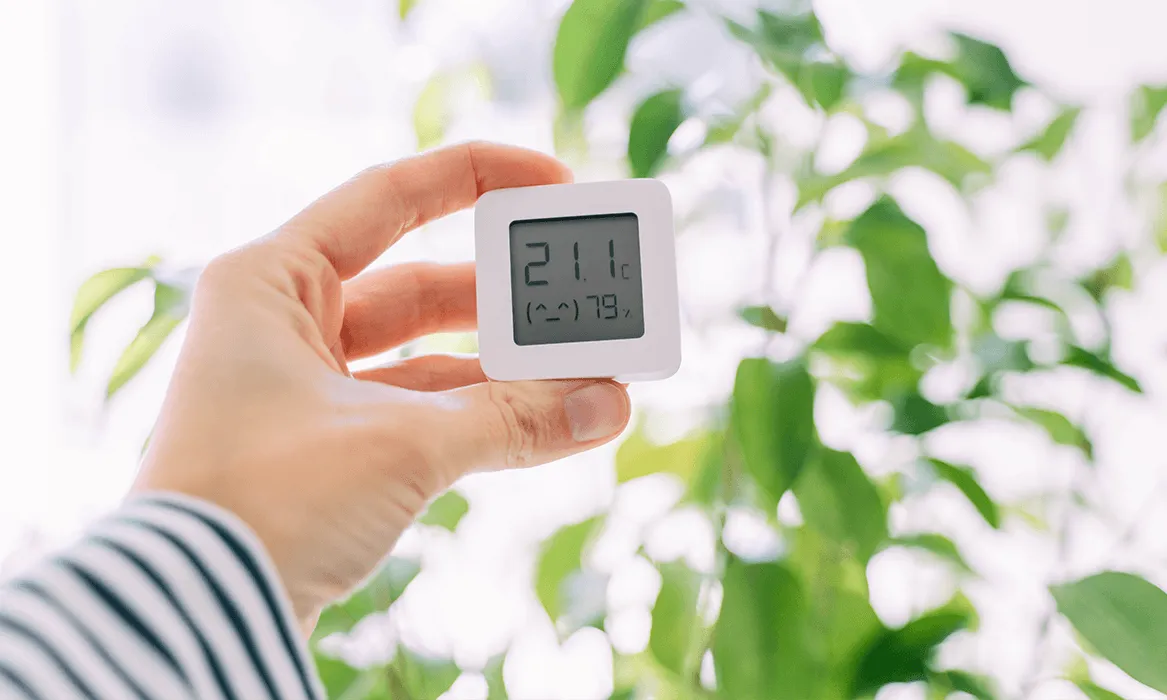
Here’s a specific detail that trips up a lot of coastal homeowners: a house can sit at a perfectly comfortable temperature and still be way too humid. Your thermostat measures heat, not moisture. That’s why a $12 hygrometer from any hardware store is one of the smartest small purchases you can make. Buy one, put it on a shelf, and actually glance at it now and then. Knowing the number is half the fight.
Keeping a Vacation Rental Fresh Between Guests
If you host on the Grand Strand, humidity control is part of your reputation, whether you signed up for that or not. Guests write reviews. “Smelled musty” is a review that costs you future bookings.
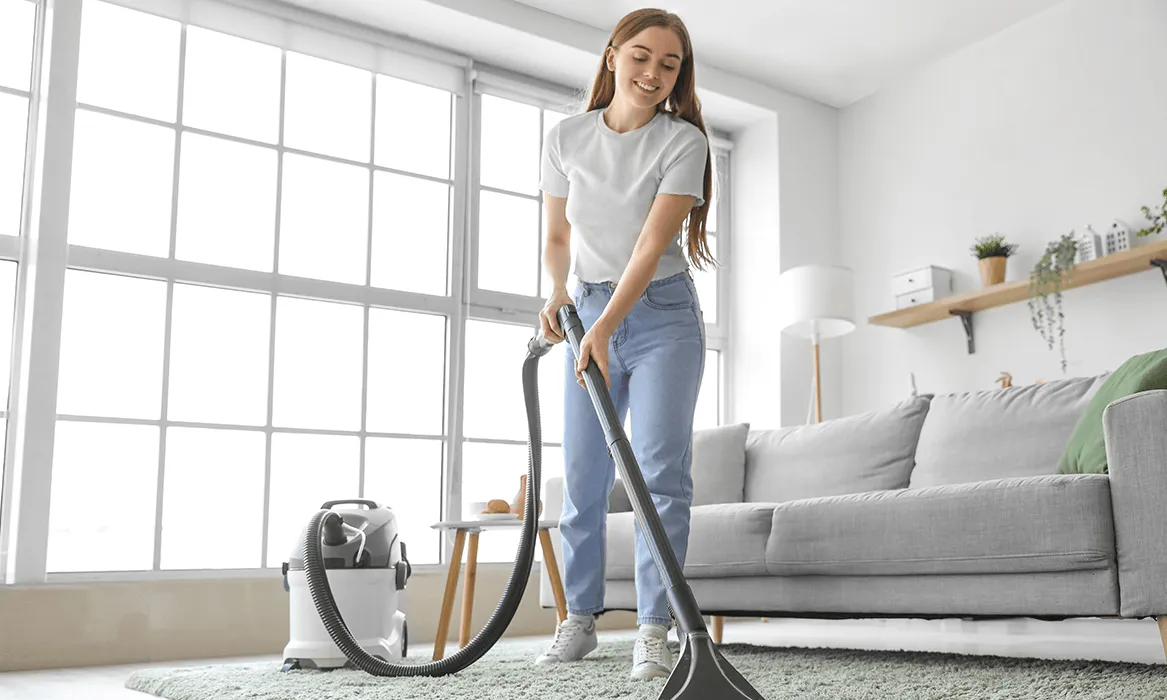
Between stays, the routine that keeps ideal home humidity in check looks like this: leave the AC running, empty or drain the dehumidifier, run exhaust fans after the turnover clean, and check the bathrooms and closets where mildew likes to hide. A thorough turnover clean isn’t just about crumbs and fresh sheets. It’s about resetting the moisture, too, so the next guest walks into cool, dry, ocean-adjacent bliss instead of a damp cave with a nice view.
This is exactly the kind of unglamorous, easy-to-forget work that turns a good rental into a five-star one.
A Quick Word About MaidThis Cleaning of Myrtle Beach

MaidThis Cleaning of Myrtle Beach connects homeowners and short-term rental hosts across the Grand Strand with vetted, independent cleaners who know coastal properties.
From Murrells Inlet up through Little River, the cleaners handle regular home cleaning and vacation rental turnovers, including the moisture-aware details that keep salt-air homes fresh: wiping down surfaces where humidity collects, airing out closed rooms, and flagging early signs of mildew before they become a problem. Every applicant goes through a careful screening process, so the person walking into your home has been vetted, not just found.
Ready to stop fighting the swamp alone? Book a cleaning and get back the hours you’d otherwise spend chasing mildew around your own house. You get a fresher home, happier guests, and one less thing on the list, while the coast keeps doing the beautiful, humid thing it does best. Reach out for a quote and reclaim your weekend.