


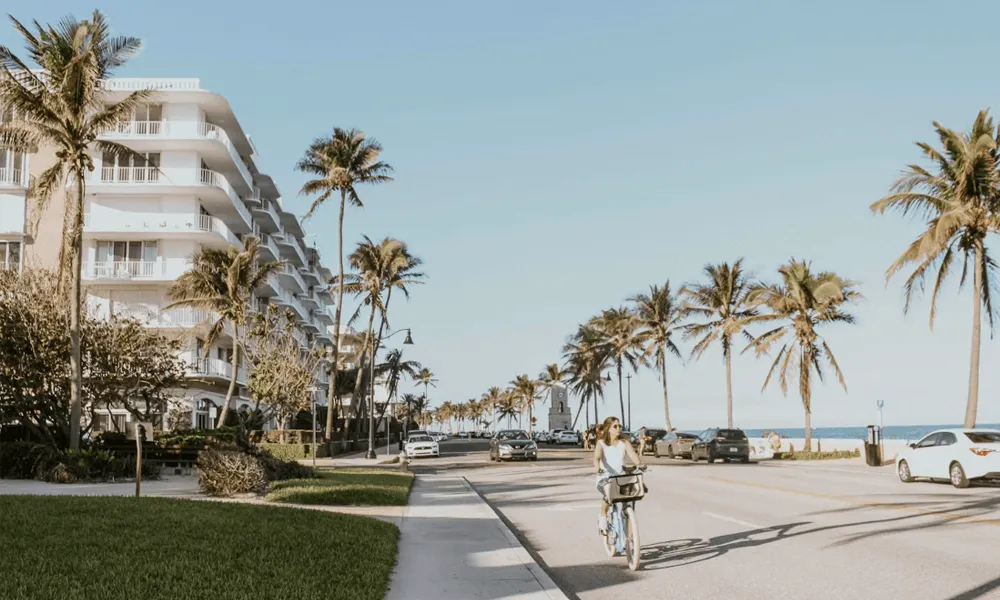

Living near the ocean is the dream. You know it, your relatives in Ohio know it, and the seagull who keeps judging you from your balcony railing knows it. But while you’re enjoying the sunsets over the Intracoastal, your house is quietly fighting a war on three fronts: salt, humidity, and sand. And spoiler alert, your house is losing.
This isn’t a reason to pack up and move to Wellington. It’s a reason to understand what coastal living actually does to a home, so you can stay ahead of it instead of discovering it the hard way when your door hinges start sounding like a haunted mansion.

What Does Living Near the Ocean Actually Do to Your Home?
Short answer: salt air corrodes metal, high humidity feeds mold and mildew, sand grinds down floors and finishes, and intense Florida sun fades everything it touches. Homes in North Palm Beach, Juno Beach, and Singer Island deal with all four at once, which means they need more frequent cleaning and maintenance than a comparable home inland.
That’s the whole thesis. Now let’s break down each villain in this story, because they all deserve their own moment.
Salt Air: The Silent Hinge Assassin
Sea spray sends microscopic salt particles into the air, and those particles travel. You don’t need waterfront property in Old Port Cove for salt to find you. Homes a mile or two inland, in Lake Park or parts of Palm Beach Gardens, still get a steady dose.
Salt is corrosive. It eats door hardware, window frames, light fixtures, outdoor furniture, AC units, and anything else metal that dares to exist near it. This is not a small problem. A landmark study by NACE International and the Federal Highway Administration estimated that corrosion costs the U.S. economy around $276 billion per year. Your patio set is a tiny casualty in a very large national tragedy.
What helps: wiping down metal surfaces regularly with fresh water, rinsing exterior fixtures, and not letting salt film sit on windows for months. That hazy coating on your sliders isn’t “beach charm.” It’s salt, and it’s working.
Humidity: Mold’s Favorite Roommate
Here’s a fun fact that’s not fun at all: the EPA recommends keeping indoor humidity below 60 percent, ideally between 30 and 50 percent, to keep mold from setting up shop. Meanwhile, South Florida’s outdoor humidity spends most of the year laughing at that number.
Living on the beach means your home is constantly pulling in damp air every time a door opens. That moisture settles into bathrooms, closets, window sills, and AC vents. Left alone, it turns into mildew spots, musty smells, and that one closet you’ve stopped opening.
The battle plan looks like this:
- Run the AC consistently, even when you’re traveling (a warm, sealed, humid house is basically a mold incubator with a mortgage)
- Wipe down bathroom surfaces after showers instead of letting water evaporate on its own schedule
- Check window sills and sliding door tracks monthly, since condensation collects there first
- Wash or wipe baseboards a few times a year, because mildew loves a forgotten corner
None of this is glamorous. Neither is remediation, and remediation costs more.
Sand: The Houseguest That Never Leaves
Sand gets in on shoes, paws, beach bags, towels, and by what can only be described as sorcery. Once inside, it doesn’t just sit there looking tropical. It acts like sandpaper. Every step on a sandy tile floor or hardwood plank is a tiny sanding session you didn’t sign up for.
If you live in North Palm Beach or Juno Beach and hit the beach regularly, floor care stops being optional. Frequent vacuuming and mopping isn’t fussiness. It’s protecting your floors from a slow, gritty death.
The Sun: Beautiful, Relentless, Slightly Destructive
Florida sunshine fades upholstery, curtains, rugs, and artwork faster than most homeowners expect. Combine UV exposure with salt film on the windows and you get interiors that age in dog years. Regular window cleaning actually matters here, and not just for the view of the Intracoastal. Clean glass plus UV-filtering film or closed blinds during peak hours can add years to your furniture.
What This Means If You Rent Your Place on Airbnb
If your North Palm Beach or Singer Island property is a vacation rental, everything above gets multiplied. Guests track in more sand than any family ever could, run showers like water is free, and would absolutely mention “musty smell” in a review. Nothing tanks a five-star listing faster.
Turnover cleaning for coastal rentals needs to cover:
- Salt film on windows and sliders (guests came for the view, let them see it)
- Sand removal from floors, rugs, and that weird gap next to the fridge
- Bathroom moisture spots before they become bathroom mold spots
- AC vents and filters, since humid air plus heavy guest use clogs them fast
- Outdoor furniture and railings, because corroded metal reads as “neglected” in photos
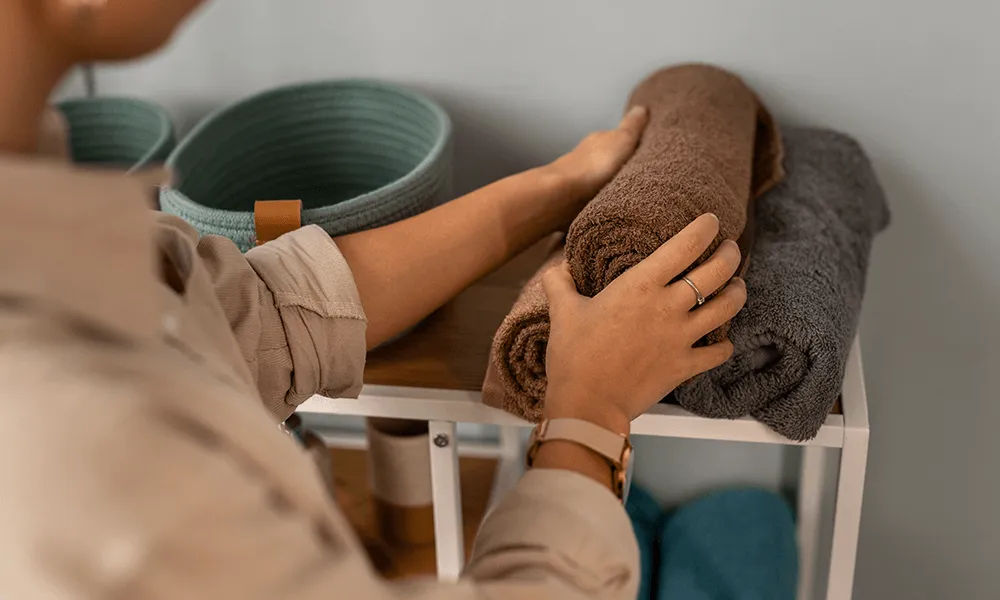
A standard once-over doesn’t cut it near the ocean. The house needs someone who knows what salt and humidity actually do.
A Quick Word About MaidThis Cleaning of North Palm Beach

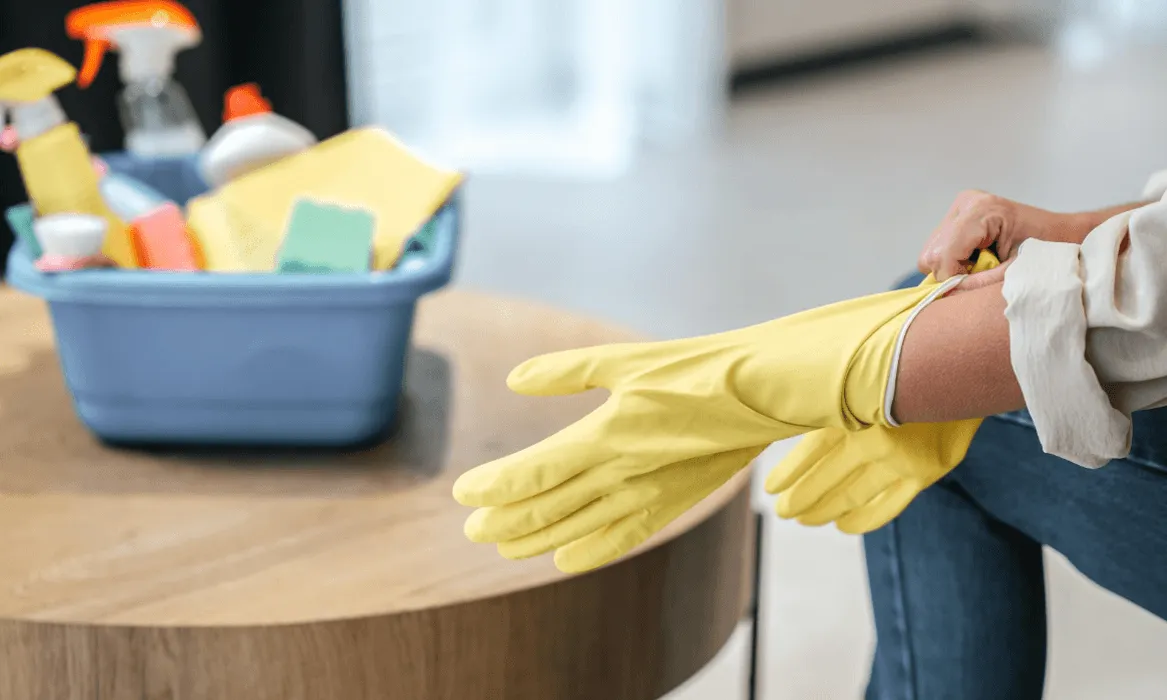
MaidThis Cleaning of North Palm Beach connects homeowners and vacation rental hosts with experienced, carefully screened cleaners who know exactly what salt, sand, and humidity do to local homes. Whether you need recurring home cleaning or reliable Airbnb turnovers, booking takes minutes online.
Your reward: more beach afternoons, fewer weekends spent fighting salt film, and a home that actually feels as good as the view looks. Get your free quote today and let someone else argue with the sand for a change.