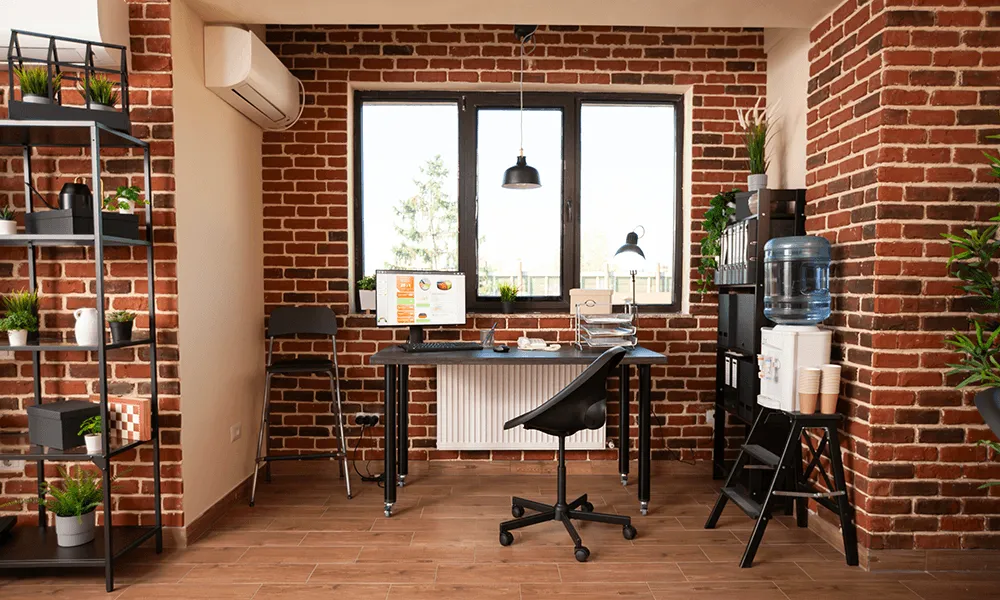




Your office might be the dirtiest place you visit all day. Not the subway. Not the Wawa bathroom. Your desk. If that sentence made you slowly move your sandwich away from your keyboard, good. Keep reading.
Running a business in Philadelphia means juggling a hundred things at once, and “wipe down the break room” usually lands somewhere below “answer 47 emails” on the to-do list. That’s exactly how a workspace slides from “lived-in” to “biohazard with a coffee machine.” These commercial cleaning tips will help you keep your space presentable, your team healthier, and your clients from silently judging your baseboards.
Why Does Commercial Cleaning Matter for Your Philadelphia Business?
Short answer: because a clean workspace directly affects employee sick days, client impressions, and how long your building’s finishes survive Philly’s salt, soot, and humidity. Regular commercial cleaning reduces the germs that circulate through shared offices, keeps high-traffic floors from wearing out early, and signals to every visitor that you run a tight ship.
And this isn’t just a vibes thing. Dr. Charles Gerba, a microbiologist at the University of Arizona who has spent decades studying workplace germs, found that the average office desk harbors about 400 times more bacteria than the average toilet seat. As Gerba put it, people don’t think twice about eating at their desks despite that fact, and without cleaning, a small area on a desk or phone can sustain millions of bacteria that could potentially cause illness.
So yes. The toilet seat is winning. Let that motivate you.
Start With a Cleaning Map, Not a Mop
Before anyone touches a spray bottle, walk your space like a customer would. Start at the front door of your Old City storefront or your Center City office suite and note what you actually see. Smudged glass? Scuffed entry mats? A reception desk that doubles as a snack graveyard?
Most businesses clean based on habit, not traffic. The result is a spotless supply closet and a lobby that looks like it hosted a Phillies tailgate. Map your space into three zones instead:
- Daily zones: entrances, restrooms, break rooms, door handles, elevator buttons, shared desks
- Weekly zones: interior glass, baseboards, trash areas, floors beyond the main paths
- Monthly zones: vents, light fixtures, behind furniture, window tracks, that one fridge shelf everyone pretends not to see
This one change alone puts your cleaning effort where the germs and the eyeballs actually are.
Commercial Cleaning Tips for High-Traffic Philly Spaces
Philadelphia buildings come with their own personality. A converted warehouse office in Fishtown collects dust differently than a glass tower on Market Street, and a Manayunk shop on a hill gets a season pass to tracked-in grit every time it rains.
A few commercial cleaning tips that earn their keep here:
Double up on entry matting
One mat outside, one inside, both long enough for a few full steps. In winter, rock salt from Philly sidewalks will chew through floor finishes like it’s getting paid to.
Disinfect the touchpoints, not just the surfaces
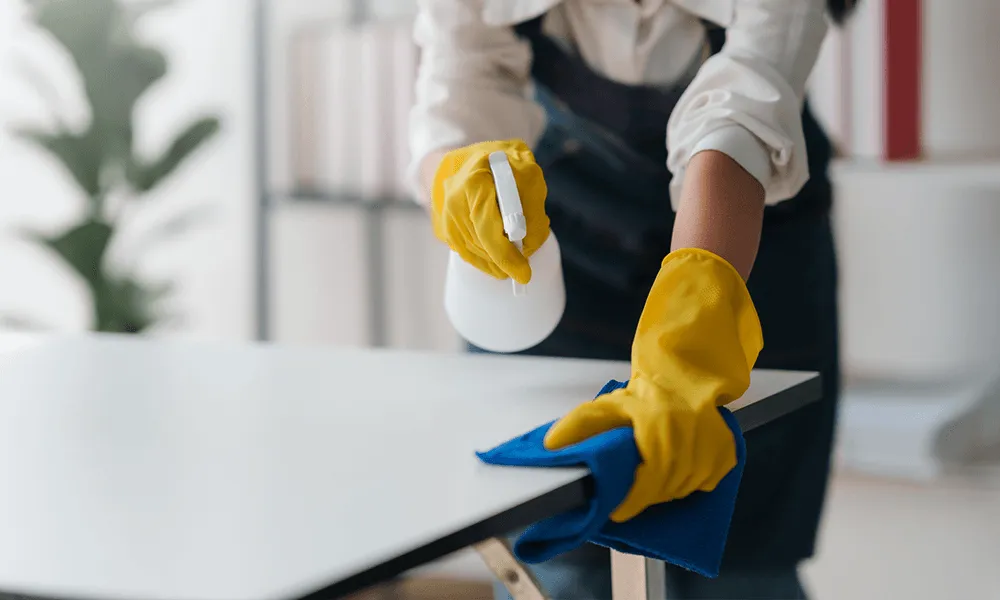
Phones, keyboards, shared printers, and door handles are where germs commute. A surface can look clean and still be a microbial block party.
Clean top to bottom
Dust the vents and shelves first, floors last. Otherwise you’re just relocating the dust and calling it exercise.
Use microfiber, not old t-shirts
Microfiber actually traps particles instead of pushing them around your conference table in artistic swirls.
Ventilate while you clean
Older Philly buildings, especially pre-war spaces in Rittenhouse or Northern Liberties, hold onto cleaning fumes. Crack a window and let the building breathe.
The Break Room Deserves Its Own Paragraph (It Earned It)
Gerba’s workplace research also flagged break rooms as one of the germiest spots in an office, which surprises exactly no one who has ever seen a communal microwave. Sink faucets, fridge handles, coffee pot handles, and microwave doors get touched by everyone and cleaned by no one.
The fix is boring and effective: assign it. Rotate break room duty weekly, keep disinfecting wipes visible on the counter, and set a monthly fridge amnesty day where unlabeled containers meet their maker. Your team will grumble. Your sick-day numbers will thank you.
When DIY Cleaning Help Stops Being Enough
There’s a point where the office chore wheel stops working. Usually it’s when your business grows, your square footage grows with it, and “Dave wipes the counters on Fridays” is no longer a sanitation strategy.
Signs it’s time to bring in professional cleaning help:
- Your team is cleaning during hours you’re paying them to do their actual jobs
- Restrooms need attention more than once a day and aren’t getting it
- Floors, grout, or carpets look tired no matter what you do
- You’re in a shared building in University City or Center City with lobby standards to meet
- Clients visit regularly and first impressions carry real money
Professional cleaners bring commercial-grade equipment, proper products for each surface, and the magical ability to make it happen after hours so nobody’s vacuuming during your sales call. For businesses from Cherry Hill to King of Prussia, outsourcing the cleaning usually costs less than the productivity lost to doing it badly in-house.
A Simple Weekly Rhythm That Actually Sticks
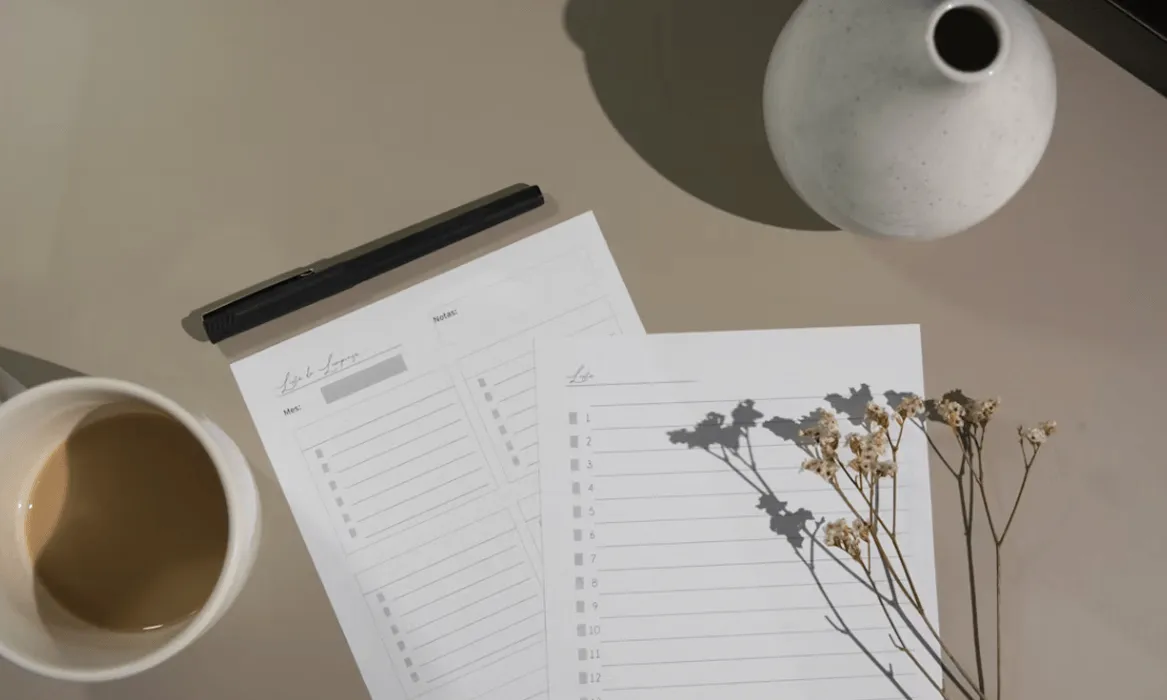
The best commercial cleaning tips and tricks fail if the schedule lives in someone’s head. Write it down, post it, and keep it stupidly simple. A workable weekly rhythm for a small Philadelphia office looks something like this: daily touchpoint wipe-downs and trash runs, a midweek restroom deep clean, Friday floors and glass, and one rotating monthly task so the big stuff never piles up.
Consistency beats intensity. A mediocre routine done every week outperforms a heroic deep clean done twice a year, the same way flossing occasionally before the dentist fools absolutely no one.
A Quick Word About MaidThis Cleaning of Philadelphia

MaidThis Cleaning of Philadelphia connects homes and short-term rentals across the city with carefully screened, background-checked cleaners. Fewer than 2% of applicants make it through the screening process, pricing is transparent with no hidden fees, and every clean is backed by a satisfaction guarantee plus a No-Show Guarantee. If your workspace (or the Airbnb you run on the side) needs reliable cleaning help without the hiring headache, you can get a quote in minutes and spend your energy on literally anything else.