



Introduction
Medical office cleaning West Palm Beach facilities need isn’t your standard “vacuum and dust” situation.
We’re talking infection control. Patient safety. Documentation. And standards that would make a regular office cleaning service break out in hives.
One missed surface in a medical office = potential cross-contamination. One skipped disinfection protocol = patient risk. One forgotten cleaning log = compliance headache.
This guide covers medical office disinfection protocols, cleaning logs, and exactly what to ask before hiring a professional medical cleaning service in West Palm Beach.
Let’s make your clinic actually clean. Not “looks clean.”
Jump To:
Why Medical Office Cleaning Requires Specialized Standards
Core Areas Requiring Medical-Grade Cleaning
Medical Office & Clinic Disinfection Protocols
Cleaning Frequency for Medical Offices & Clinics
Medical Cleaning Logs & Documentation
HIPAA, Safety & Compliance Considerations
Common Medical Office Cleaning Mistakes to Avoid
What to Ask a Medical Cleaning Company in West Palm Beach
Why Medical Office Cleaning Requires Specialized Standards
Standard office cleaning ≠ medical clinic cleaning.
The difference:
- Higher risk of bacteria, viruses, and pathogens
- Patients with compromised immune systems
- Staff exposure to infectious diseases
- Regulatory compliance requirements
- Need for documented proof of cleaning
Basic cleaning removes visible dirt. Medical-grade disinfection eliminates pathogens you can’t see.
Your waiting room isn’t just dusty – it’s a potential transmission zone. Act accordingly.
Core Areas Requiring Medical-Grade Cleaning
Every surface matters. But these areas need extra attention.
High-priority zones:
- Reception and waiting areas (high traffic, multiple patients daily)
- Exam and treatment rooms (direct patient contact)
- Restrooms (obvious reasons)
- Hallways and common areas (connecting infected zones)
- Staff break rooms (yes, these too)
High-touch surfaces that need daily disinfection:
- Door handles and push plates
- Light switches
- Countertops and reception desks
- Chairs and exam tables
- Medical equipment surfaces
- Computer keyboards and mice
- Phones
Plot twist: The surfaces people touch most get cleaned least without a structured protocol.
Medical Office & Clinic Disinfection Protocols
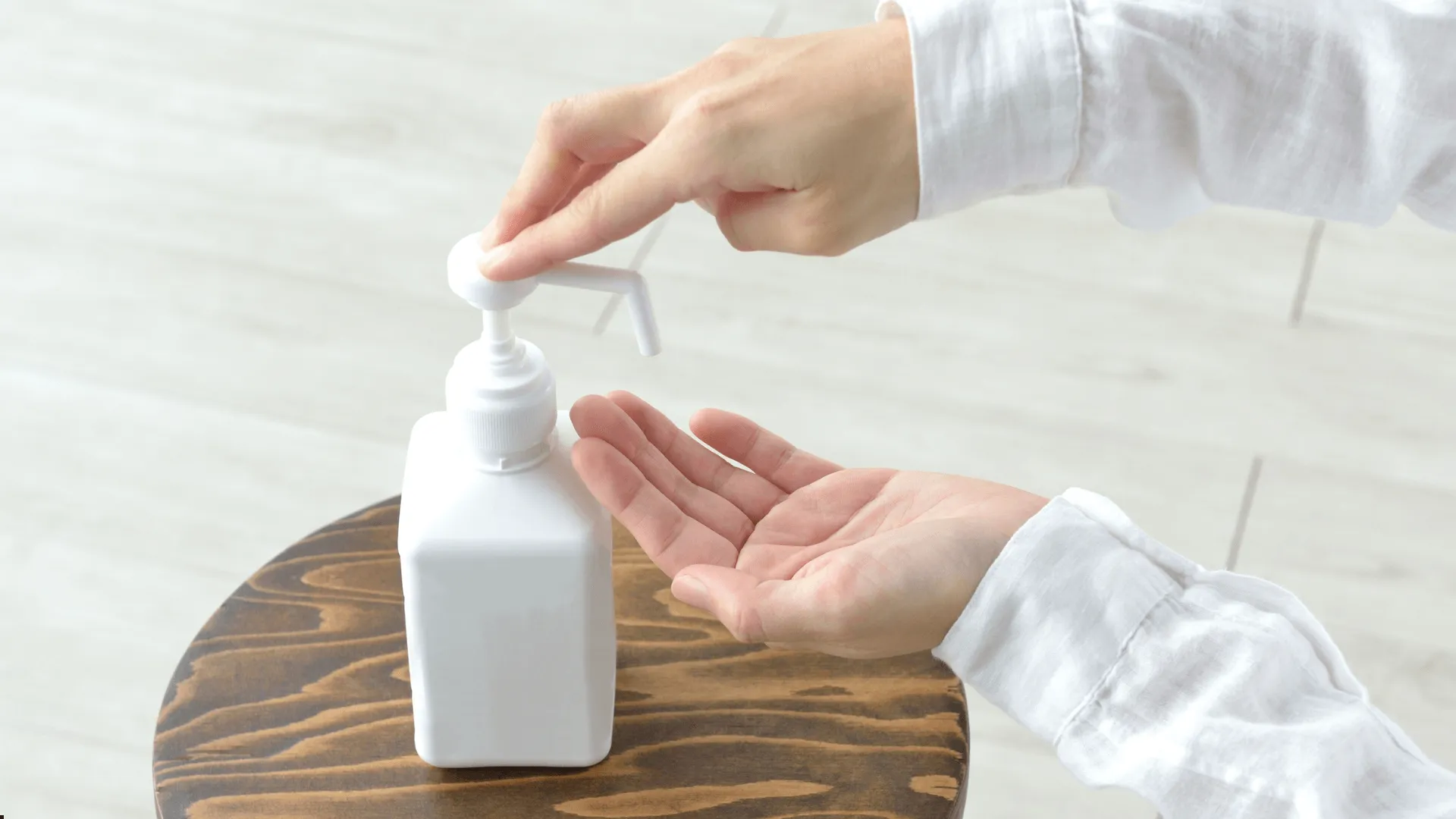
Here’s where healthcare facility cleaning gets technical.
Daily disinfection requirements:
- Use EPA-registered hospital-grade disinfectants
- Follow manufacturer’s contact time (don’t just spray and wipe)
- Clean surface first, then disinfect (dirt blocks disinfectant effectiveness)
- Change cleaning cloths between rooms (cross-contamination is real)
Cleaning vs disinfecting vs sanitizing:
- Cleaning = removes dirt and germs (doesn’t kill them)
- Sanitizing = reduces germs to safe levels
- Disinfecting = kills specific pathogens (what medical offices need)
Preventing cross-contamination:
- Color-coded cleaning supplies by area
- Separate supplies for restrooms vs exam rooms
- Proper disposal of cleaning materials
- Hand hygiene between rooms
Real talk: If your cleaning company can’t explain their disinfection protocol, they don’t have one.
Cleaning Frequency for Medical Offices & Clinics
Frequency depends on patient volume and risk level.
Daily tasks:
- Disinfect all high-touch surfaces
- Clean and sanitize restrooms
- Empty trash and replace liners
- Spot clean floors in high-traffic areas
- Disinfect exam tables and chairs
Between patient visits (high-risk practices):
- Disinfect exam tables
- Wipe down touched surfaces
- Replace paper coverings
- Deep clean restrooms
- Mop all floors thoroughly
- Dust vents and baseboards
- Clean interior glass and mirrors
- Disinfect shared equipment
- Deep clean exam rooms
- High dusting
- Detailed floor care
- Clean behind and under furniture
Adjust during flu season and outbreaks:
Increase frequency. Add extra disinfection rounds. Document everything.
Medical Cleaning Logs & Documentation
Medical cleaning logs = your proof that cleaning actually happened.
Why documentation matters:
- Compliance with health regulations
- Accountability for cleaning staff
- Evidence during inspections
- Tracking cleaning consistency
- Identifying missed areas or gaps
What every cleaning log should include:
- Date and time of cleaning
- Specific areas cleaned
- Tasks completed
- Disinfectants used (product names and EPA registration numbers)
- Cleaner’s signature or initials
Digital vs physical logs:
- Digital = easier tracking, searchable, automated reminders
- Physical = simple, no tech required, still legally valid
Choose whatever system your team will actually use consistently.
HIPAA, Safety & Compliance Considerations
HIPAA compliant cleaning means protecting patient privacy during cleaning.
Key requirements:
- Background-checked cleaning staff
- Confidentiality training for all cleaners
- Secure handling of any visible patient information
- No unauthorized access to locked areas
- Proper disposal procedures for medical waste (if applicable)
Security protocols:
- Cleaning during or after office hours (your choice)
- Supervised access to sensitive areas
- Locked file cabinets and computers
- Clear communication about restricted zones
Your patients trust you with their health information. Your cleaning company needs to honor that trust too.
Common Medical Office Cleaning Mistakes to Avoid
These mistakes happen more often than they should.
Top failures:
- Inconsistent disinfection (cleaning when you remember ≠ protocol)
- Wrong cleaning products (all-purpose cleaner ≠ hospital-grade disinfectant)
- Skipping documentation (no log = no proof = compliance risk)
- Treating medical offices like standard offices (different standards, different stakes)
- Not adjusting during high-risk periods (flu season isn’t optional)
If your current cleaning company makes any of these mistakes, it’s time for a conversation. Or a new company.
What to Ask a Medical Cleaning Company in West Palm Beach
Don’t hire based on price alone. Ask the right questions first.
Essential questions:
- Do you specialize in medical office cleaning? (Generic office cleaners aren’t trained for healthcare standards)
- What disinfection protocols do you follow? (They should cite EPA-registered products and proper contact times)
- How do you document cleaning tasks? (Ask to see sample cleaning logs)
- Are your cleaners trained for healthcare environments? (HIPAA awareness, infection control, confidentiality)
- How do you prevent cross-contamination? (Color-coded supplies, room-by-room protocols)
- Can you customize cleaning schedules? (Your patient volume ≠ another clinic’s volume)
- Are your staff background-checked and insured? (Non-negotiable for medical facilities)
- What happens if we’re not satisfied? (Quality guarantees matter)
No good answers = no contract.
Benefits of Hiring Professional Medical Cleaning Services
Why professional medical cleaning services matter:
- Improved patient confidence (clean clinic = trustworthy clinic)
- Reduced infection risks (proper protocols save lives)
- Consistent, documented cleaning (compliance without micromanaging)
- Peace of mind for staff (focus on patient care, not cleaning schedules)
- Regulatory compliance (avoid violations and fines)
Your medical staff went to school to treat patients. Not to mop exam rooms.
Conclusion
Medical office cleaning West Palm Beach clinics need requires specialized training, strict protocols, and consistent documentation.
Standard office cleaning won’t cut it. Your patients deserve better. Your staff deserves safer. Your practice deserves compliant.
Whether you run a small private practice or a multi-provider clinic, invest in healthcare facility cleaning that meets actual medical standards.
Ready for a cleaning company that understands infection control?