



Introduction: Silence Doesn’t Mean Clean
Here’s what most West Palm Beach business owners miss:
Customers rarely complain about cleanliness. They just don’t come back.
“No one’s said anything, so we’re fine” is the most dangerous assumption in business operations.
Cleanliness affects perception quietly and subconsciously. Your clients notice details you’ve stopped seeing. They form judgments before conversations start. And they rarely give you direct feedback.
This guide explains how commercial cleaning influences brand trust without announcing itself – and why waiting for complaints means the damage is already done.
Let’s talk about what silence actually costs.
Jump To:
First Impressions Are Formed Before Conversations Start
Customers Don’t Say “It Was Dirty” – They Say Nothing
Employees Are Brand Ambassadors Too
“Mostly Clean” Is a Dangerous Middle Ground
Brand Damage Is Incremental, Not Dramatic
Why In-House Cleaning Struggles With Brand Consistency
First Impressions Are Formed Before Conversations Start
Your customers assess your space within seconds of entering.
What they notice immediately:
- Entrance condition (dirt tracked in, smudged glass)
- Floor appearance (scuffs, stains, debris)
- Odors (old coffee, restroom smells, mustiness)
- Surface cleanliness (dust on reception desk, fingerprints on doors)
- Restroom condition (the ultimate judgment zone)
These assessments happen before:
- Your greeting
- Your sales pitch
- Your service delivery
- Any actual interaction
The subconscious calculation:
Clean space = professional, detail-oriented, trustworthy Messy space = careless, disorganized, corner-cutting
Fair? Not necessarily. Reality? Absolutely.
Your office cleaning West Palm Beach standards communicate brand values before you say a word.
Customers Don’t Say “It Was Dirty” – They Say Nothing
Why cleanliness complaints are rare:
- People avoid awkward conversations
- They assume nothing will change
- Giving feedback feels confrontational
- It’s easier to just choose another business
What actually happens:
- Fewer repeat visits (no explanation given)
- Quiet customer churn (you never know why)
- Declined referrals (friends get vague warnings)
- Lost deals (prospects “go another direction”)
How it shows up in reviews:
Not “the office was dirty.” That’s too direct.
Instead:
- “Just didn’t love it”
- “Felt off somehow”
- “Not what I expected”
- “Went with a competitor instead”
Plot twist: When someone finally does complain about cleanliness, dozens of others already left silently.
Employees Are Brand Ambassadors Too
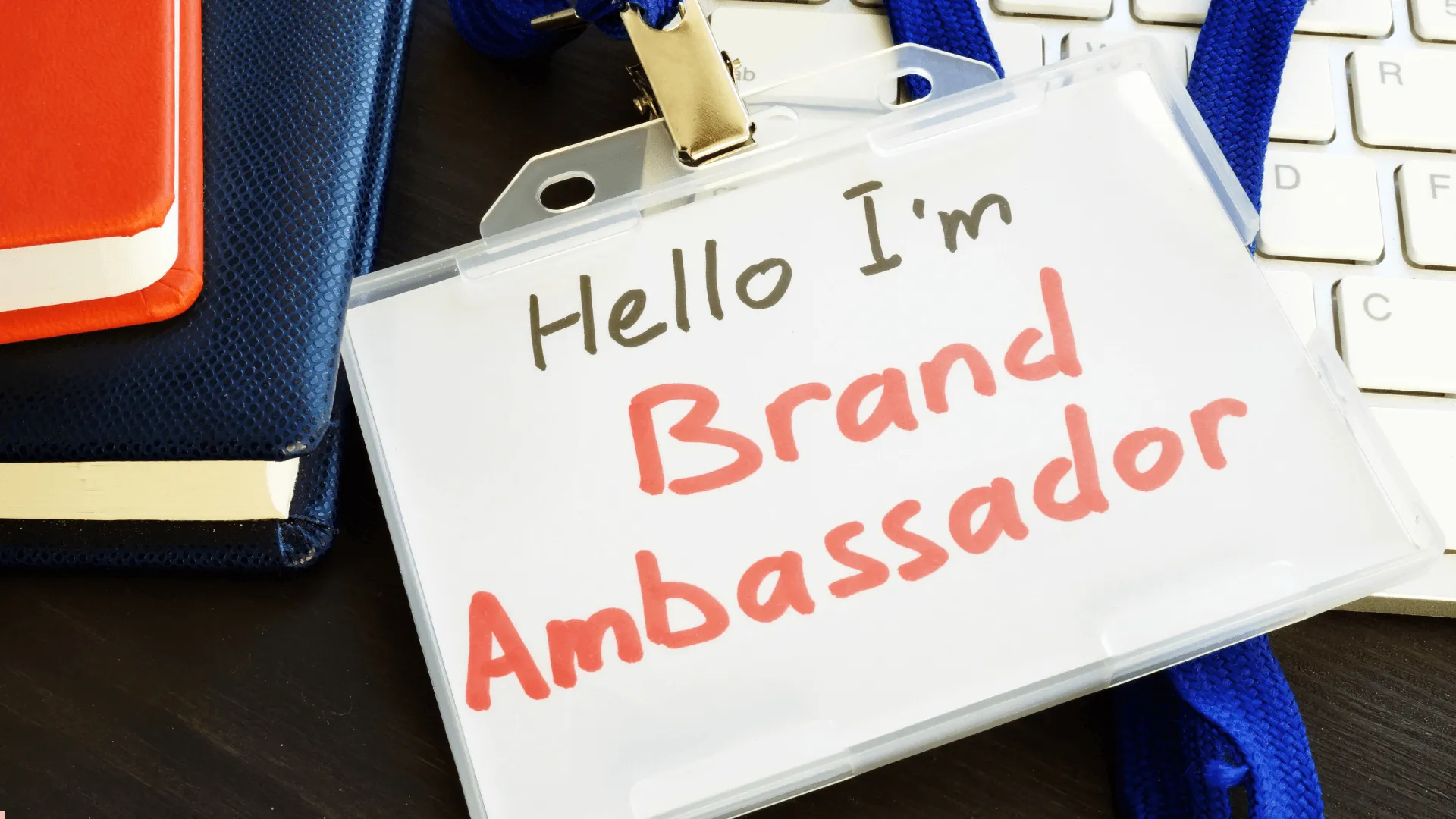
Your team’s perception of workspace cleanliness shapes how they represent your brand.
How cleanliness affects employees:
- Pride in workplace: Clean office = comfortable hosting clients
- Morale signals: Neglected space = feeling undervalued
- Professionalism: Environment affects how staff view their own work
- Client interaction confidence: Clean space = comfortable inviting people in
Unintentional employee signals:
- Apologizing for mess before meetings
- Steering clients away from certain areas
- Working from home more often (avoidance)
- Making excuses about “crazy week” or “we’re usually cleaner”
The perception ripple:
If your team doesn’t feel proud of the space, clients sense that discomfort. Brand confidence starts internally.
Professional commercial cleaning West Palm Beach services don’t just clean for customers – they create environments employees feel proud to work in.
“Mostly Clean” Is a Dangerous Middle Ground
Inconsistent cleanliness creates more doubt than visible wear.
Why partial cleanliness backfires:
- Clean lobby + dirty restroom = “they only care about appearances”
- Tidy desks + neglected floors = “surface-level effort”
- Pristine conference room + dusty hallways = “show spaces only”
Examples of damaging inconsistency:
- Front office immaculate, back areas neglected (clients notice when they need restrooms)
- Monday clean, Friday disaster (schedule gaps destroy perception)
- Common areas pristine, individual spaces messy (lack of systems)
Key insight:
Inconsistency damages trust more than honest wear-and-tear. Visible effort in some areas while ignoring others suggests priorities aren’t aligned.
Your customers think: “If they cut corners on cleaning, what else are they cutting corners on?”
Consistent cleanliness = consistent standards = trustworthy business.
Brand Damage Is Incremental, Not Dramatic
Cleanliness issues don’t announce themselves with one catastrophic moment.
How brand erosion happens:
- Week 1: Slightly dusty surfaces (nobody notices)
- Week 4: Visible buildup in corners (starting to look tired)
- Week 8: Stained carpets, smudged glass (clients form negative impressions)
- Week 12: “This place has gone downhill” (reputation impact)
Why businesses miss gradual decline:
- No single breaking point
- Daily exposure creates blindness to slow changes
- “It’s not that bad” becomes normalized
- Staff stops noticing what clients see immediately
The dangerous assumption:
“We’ll know when it’s a problem.”
No, you won’t. Your clients will know. They just won’t tell you.
This is one of the quiet signs in-house cleaning has stopped working – when decline becomes normal and nobody realizes perception has shifted.
Why In-House Cleaning Struggles With Brand Consistency
Brand consistency requires repeatability. Employee cleaning can’t provide that.
The limitation:
- Employees clean when time allows (variable)
- Different people clean differently (inconsistent standards)
- Busy periods = skipped cleaning (unreliable)
- No accountability system (no quality control)
Brand perception depends on sameness:
- Monday looks like Friday
- Morning looks like evening
- January looks like August
Professional business cleaning services West Palm Beach companies deliver consistency that supports brand standards.
Not because they care more – because they have systems ensuring the same results every single time.
Your brand can’t afford cleaning that depends on whoever has time and remembers to do it.
Clean Spaces Support Trust, Not Just Appearance

Cleanliness isn’t vanity. It’s brand infrastructure.
What clean spaces signal:
- Care: “This business pays attention to details”
- Competence: “They manage operations well”
- Reliability: “If they maintain their space, they’ll maintain quality work”
- Professionalism: “They take their business seriously”
Subconscious trust building:
Customers don’t consciously think “clean office = trustworthy business.” They just feel more confident.
That feeling influences:
- Contract decisions
- Referral willingness
- Price sensitivity (clean businesses command premium pricing)
- Long-term relationships
The reverse impact:
Dirty spaces trigger doubt. Even excellent service can’t fully overcome the subconscious skepticism created by neglected cleanliness.
Professional office cleaning supports brand credibility, not aesthetics. It’s strategic investment, not operational expense.
Conclusion: If People Notice, It’s Already Too Late
Cleanliness problems rarely announce themselves with direct complaints.
By the time someone mentions it:
- Dozens of others already noticed
- Brand perception already shifted
- Customer churn already started
- Revenue impact already happening
Silence doesn’t mean satisfaction. It means people are making quiet decisions about your brand based on details you’ve stopped seeing.
Brand erosion is a key reason businesses outgrow in-house cleaning – when maintaining consistent perception becomes more important than saving on cleaning costs.
Your commercial cleaning approach isn’t just about removing dirt. It’s about protecting the brand you’ve worked hard to build.