



Mold is one of the most common building maintenance challenges for businesses in South Florida.
Heat, humidity, and frequent storms make West Palm Beach offices especially vulnerable. One week of high humidity? Mold spores start colonizing. One overlooked HVAC leak? Growth spreads through ventilation.
Mold affects employee health, damages building materials, and creates indoor air quality problems most businesses don’t catch until symptoms appear.
Here’s what most business owners miss: preventive cleaning and maintenance play a major role in controlling mold risk.
This guide covers why mold is common in Florida commercial buildings and how West Palm Beach businesses can actually prevent it, not just react to it.
Let’s talk about stopping mold before it starts.
Jump To:
Why Mold Is a Common Problem in South Florida Commercial Buildings
Areas in Offices Where Mold Commonly Develops
Early Signs of Mold in Commercial Spaces
How Regular Commercial Cleaning Helps Prevent Mold
Preventive Maintenance Tips for Florida Businesses
Why Mold Is a Common Problem in South Florida Commercial Buildings
Florida’s climate creates perfect mold conditions year-round.
High humidity levels:
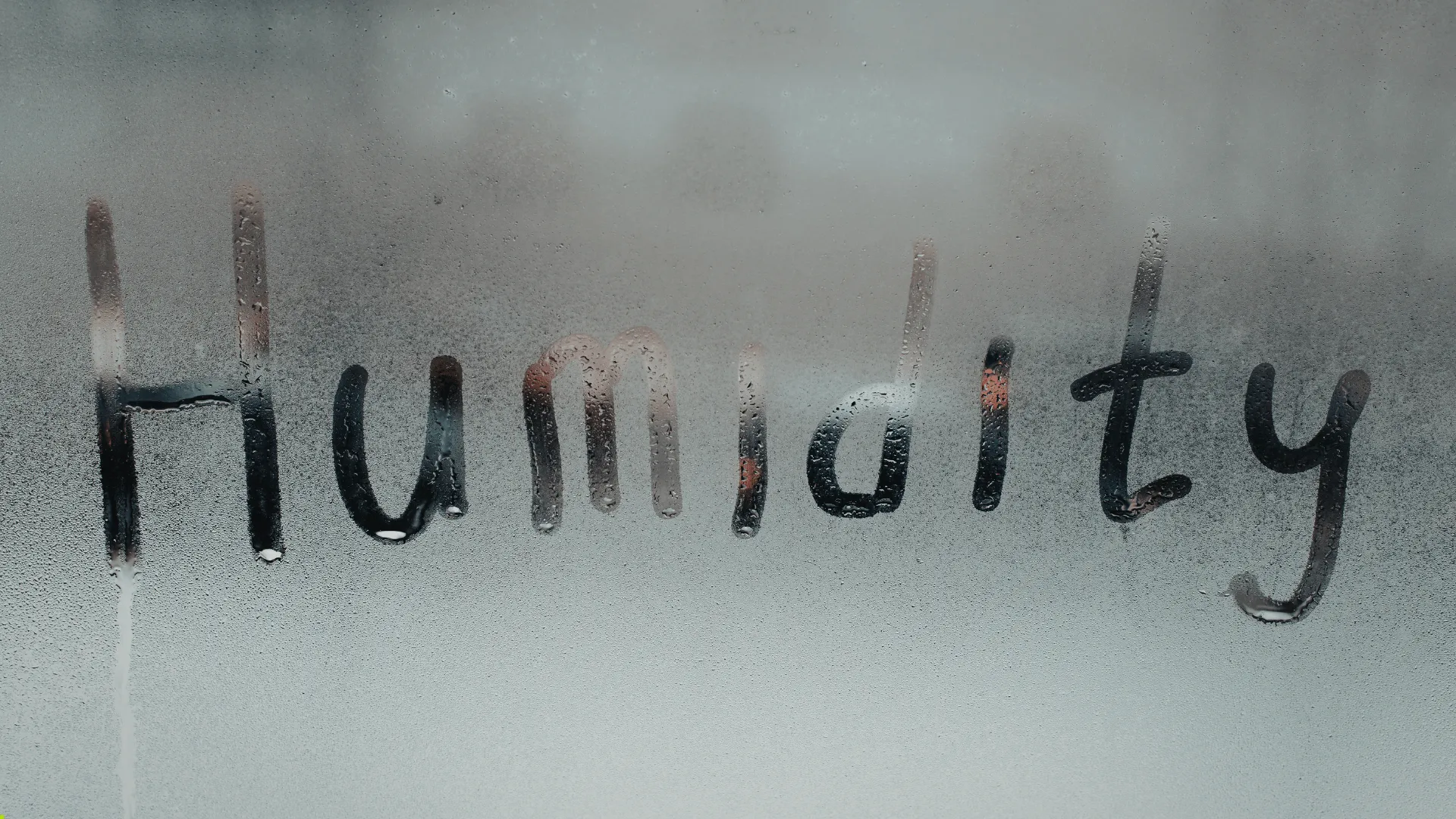
Year-round humidity above 60% = ideal mold growth environment. Indoor spaces struggle to maintain dry conditions even with air conditioning.
Moisture buildup from HVAC systems:
Air conditioning creates condensation. Ducts accumulate moisture. Drip pans overflow. All perfect breeding grounds.
Frequent rain and storm exposure:
Summer rainy season brings daily moisture intrusion. Hurricane season adds flooding risks. Water finds its way into commercial buildings constantly.
Poor ventilation in commercial spaces:
Closed windows for AC efficiency = trapped moisture. Storage rooms without airflow = stagnant humid air. Conference rooms with limited ventilation = condensation buildup.
Coastal climate acceleration:
Salt air carries additional moisture. Ocean proximity increases ambient humidity. Coastal buildings fight constant damp conditions.
If you’re in West Palm Beach and think your building won’t develop mold without prevention, you’re not paying attention to reality.
Areas in Offices Where Mold Commonly Develops

In the tropics, “out of sight” shouldn’t mean “out of mind.” Standard cleaning misses the microscopic moisture traps that turn into massive liabilities. Here are the specific areas in your facility where Florida’s humidity becomes a breeding ground.
HVAC Systems and Air Vents
HVAC systems are the most dangerous mold reservoirs in commercial buildings. Temperature fluctuations create constant condensation in ductwork, turning dark, damp vents into a mold paradise. Once colonized, every air cycle distributes spores throughout the entire facility, effectively pumping mold into every room. Preventing this level of contamination requires aggressive, regular HVAC cleaning. Standard filter changes simply aren’t enough to stop the spread.
Carpets and Upholstered Furniture
Office fabrics and carpets act like sponges, soaking up Florida’s high ambient humidity even without a direct spill. This trapped moisture creates a breeding ground for bacteria and mold, resulting in that telltale “musty office smell” that deodorizers only mask. To actually fix the problem, you need professional extraction cleaning to pull out the deep-seated moisture that standard consumer vacuums leave behind.
Restrooms and Break Rooms
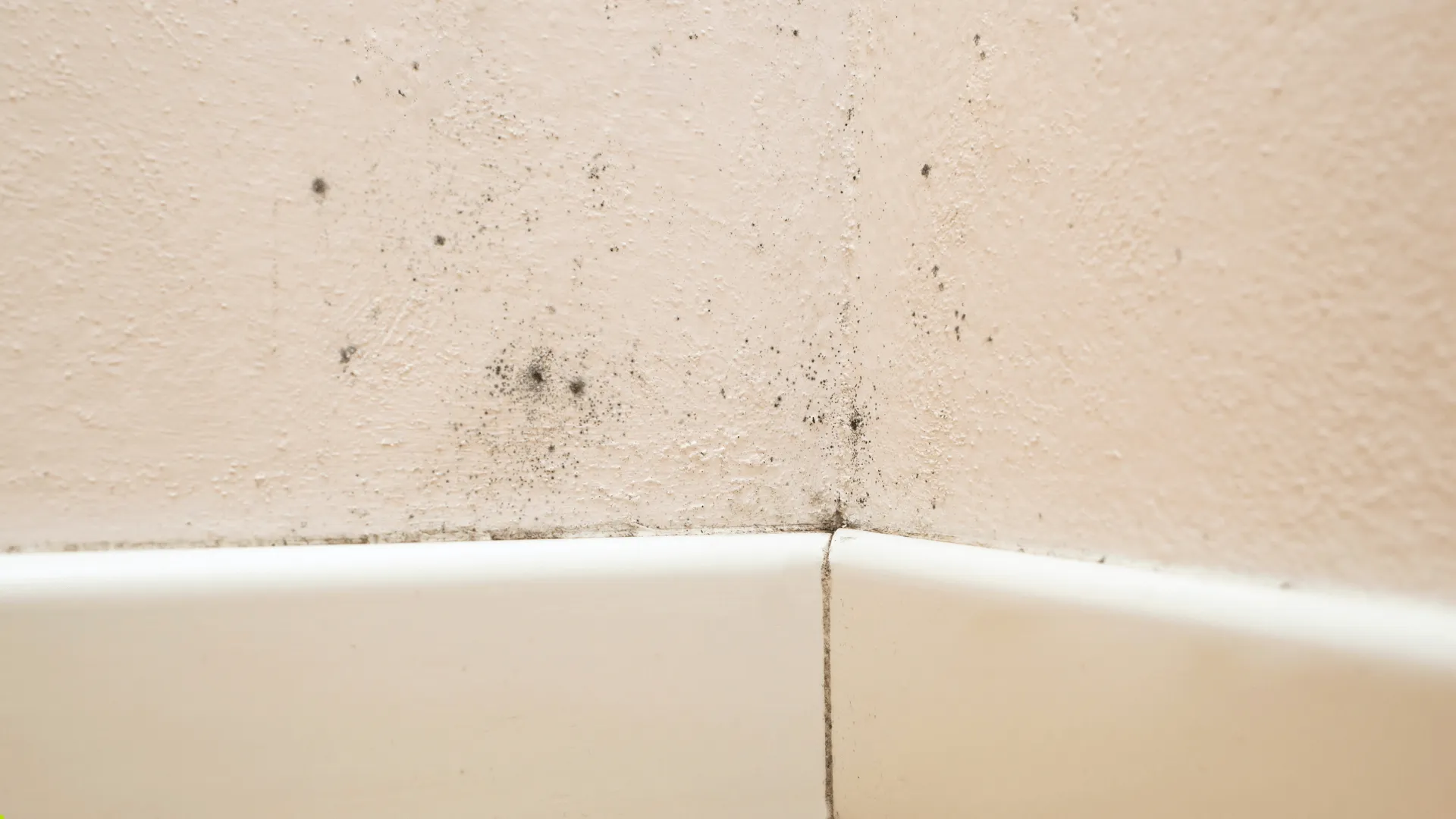
High-moisture environments like restrooms and break rooms are guaranteed mold risks due to slow leaks and hidden condensation behind walls and appliances. Without proper ventilation, bathroom ceilings and porous grout lines can turn black with colonization in just a few months. Standard daily cleaning isn’t enough; these zones require dedicated moisture control and preventive sanitation to stop mold before it becomes visible.
Storage Areas and Low-Ventilation Spaces
In storage areas, “out of sight” often means perfect mold conditions. Closets, file rooms, and basements suffer from stagnant air, limited climate control, and boxes that block essential circulation, trapping Florida’s humidity in enclosed spaces. Since mold thrives in dark, damp environments, these low-ventilation zones require frequent inspections and proactive cleaning rather than just an annual check-in.
Early Signs of Mold in Commercial Spaces
Don’t wait for visible mold patches.
Warning signs businesses miss:
Persistent musty odors:
If your office smells “damp” or “earthy,” mold is already growing somewhere. Scent is the earliest warning sign.
Visible discoloration on walls or ceilings:
Dark spots, water stains, or yellowish patches = moisture problems and likely mold growth.
Increased employee allergy symptoms:
More sneezing, coughing, headaches, or respiratory complaints? Indoor air quality has declined. Mold is a common cause.
Moisture stains near vents or ceilings:
Water marks indicate leaks or condensation. Where there’s persistent moisture, mold follows within 24-48 hours.
Why early detection matters:
Small mold problems = professional cleaning solutions. Large mold infestations = expensive remediation, potential closure, health department involvement.
Catch it early or pay exponentially more later.
How Regular Commercial Cleaning Helps Prevent Mold
In West Palm Beach, professional cleaning isn’t a luxury, it’s mold prevention infrastructure. While standard janitorial services focus on appearances, a strategic approach in South Florida functions as a daily defense against the subtropics. By utilizing routine sanitation to strip away the organic material mold feeds on and implementing professional extraction to pull humidity out of carpets, these services eliminate moisture before it can penetrate deep into building materials.
This proactive strategy extends to critical areas like HVAC vents and restrooms, where dust and standing water create the perfect “mold food.” High-reach dusting removes colonization points, while targeted restroom sanitation addresses the hidden leaks and poor ventilation that turn white grout black within months. Consistent, professional schedules ensure that these moisture traps are cleared daily, interrupting growth cycles before they can evolve into a remediation crisis.
By focusing on moisture-wicking floor care and deep-seated disinfection, these services hit the “blind spots” that standard office tidying misses. It’s a transition from reactive cleaning to active building preservation, stopping the musty office smell at the source and protecting your bottom line from the high costs of mold damage.
Preventive Maintenance Tips for Florida Businesses
Beyond professional cleaning, businesses can reduce mold risk.
Improving airflow and ventilation:
Run HVAC systems regularly (don’t turn off nights/weekends to “save money”). Use fans in storage areas. Keep doors open when possible.
Using entry mats to reduce moisture from outside:
Commercial-grade mats capture moisture before it enters building. Prevents wet floors and carpet moisture absorption.
Monitoring humidity levels inside buildings:
Keep indoor humidity below 60%. Use dehumidifiers in problem areas. Monitor with humidity meter, don’t guess.
Scheduling regular deep cleaning services:
Monthly comprehensive cleaning addresses moisture-prone areas. Quarterly deep cleaning prevents long-term buildup.
Inspecting for leaks or water damage:
Check under sinks, around windows, roof areas after storms. Fix leaks immediately, waiting guarantees mold.
When Businesses Should Call a Professional Cleaning Service
Signs mold problems are spreading:
- Musty odors persist despite cleaning
- Visible mold patches larger than 10 square feet
- Employee health complaints increase
- Previous mold problems return
- Water damage from storms or leaks
Certain triggers, like post-flooding water intrusion, HVAC contamination, or sudden health code complaints, demand immediate professional intervention. When mold affects multiple areas simultaneously, standard janitorial efforts are no longer enough; you need specialized sanitation to halt the spread. A proactive commercial cleaning program acts as a safety net, utilizing professional-grade dehumidification and moisture identification to prevent these emergencies from ever surfacing.
Beyond the immediate hygiene benefits, these programs provide a critical paper trail for your business. Documented cleaning protocols and consistent moisture control not only stop mold before it starts but also provide essential support for insurance claims and regulatory compliance. By following strict mold prevention protocols, professional services maintain a healthier workplace that protects both the physical structure of the building and the well-being of everyone inside.
Conclusion
Mold prevention is critical for businesses in West Palm Beach’s humid climate.
Without proactive maintenance, moisture buildup quickly leads to mold growth in offices and commercial buildings. Florida’s year-round humidity, HVAC condensation, and storm exposure create constant mold risk.
Regular commercial cleaning, proper ventilation, and preventive maintenance protect indoor air quality and workplace safety. Professional cleaning services reduce mold risks while maintaining healthier environments for employees and visitors.
Generic cleaning approaches ignore Florida’s specific challenges. Mold prevention requires understanding local climate realities and implementing systems that interrupt growth cycles.