



Introduction
Restaurant cleaning West Palm Beach health inspectors actually approve of isn’t negotiable. It’s survival.
One failed inspection = reputation damage. One contamination incident = potential closure. One dirty restroom = lost customers who never come back.
Florida’s climate makes bacteria growth faster. High humidity accelerates grease buildup. Tourist traffic means constant scrutiny.
This guide covers commercial kitchen cleaning, dining area sanitation, and restroom protocols that support health code compliant cleaning in West Palm Beach.
Because “it looks clean” doesn’t pass inspections. Documented protocols do.
Jump To:
Why Restaurants Need a Formal Sanitation Plan
Commercial Kitchen Cleaning Standards
Dining Area Cleaning & Customer-Facing Spaces
Restaurant Restroom Cleaning & Sanitation
Cleaning Frequencies for Restaurants
Common Restaurant Cleaning Mistakes to Avoid
What to Look for in a Restaurant Cleaning Company
Benefits of Hiring Professional Restaurant Cleaning Services
Why Restaurants Need a Formal Sanitation Plan
A restaurant sanitation plan = your roadmap to compliance.
Why formal plans matter:
- High-risk environment for bacteria and cross-contamination
- Consistent, documented cleaning (not “clean when we remember”)
- Inspection readiness at all times
- Staff accountability and training standards
Basic cleaning vs food-service sanitation:
Basic cleaning removes visible dirt. Food-service sanitation eliminates pathogens, prevents contamination, and follows strict protocols.
Real talk: Restaurants without documented sanitation plans fail inspections more often. It’s not coincidence.
Commercial Kitchen Cleaning Standards
This is where food service cleaning gets serious.
Daily kitchen cleaning tasks:
- Sanitize food prep surfaces between uses and at shift end
- Wipe down cooking equipment exteriors (grills, ovens, fryers, stovetops)
- Sweep and mop floors (grease + Florida humidity = slip hazards)
- Clean and sanitize sinks and drains multiple times
- Remove trash throughout shift and at close
Weekly kitchen cleaning tasks:
- Deep clean equipment interiors (inside ovens, under equipment, behind fryers)
- Remove grease from walls and backsplashes
- Clean walk-in cooler/freezer floors, shelves, door seals
- Degrease exhaust hoods and filters (fire hazard prevention)
Monthly/quarterly deep cleaning:
- Clean grease traps (required by code)
- Top of equipment and ceiling vents
- Floor stripping and sealing
- Full equipment disassembly and sanitization
Preventing cross-contamination:
- Color-coded cutting boards and utensils
- Separate cleaning supplies for different areas
- Proper sanitizer concentration (test strips required)
- Functional hand washing stations
If your kitchen staff can’t explain your sanitation protocols, you don’t have protocols.
Dining Area Cleaning & Customer-Facing Spaces
Your dining room = your first impression and your last.
Between-table cleaning:
- Wipe and sanitize tables
- Clean chairs (including underneath)
- Sweep debris from floors
- Replace table settings
Nightly dining area cleaning:
- Vacuum or sweep and mop all floors
- Clean and disinfect all tables and chairs
- Wipe booth seats and backs
- Clean windows and glass surfaces
- Sanitize menus or menu holders
- Disinfect payment terminals
Bar and beverage stations:
- Sanitize bar tops between customers and at close
- Clean draft lines and soda nozzles (bacteria loves sugar)
- Wipe liquor bottles and shelving
- Clean ice bins
- Mop bar floors
Your dining area should be cleaner at close than at open. Every single night.
Restaurant Restroom Cleaning & Sanitation
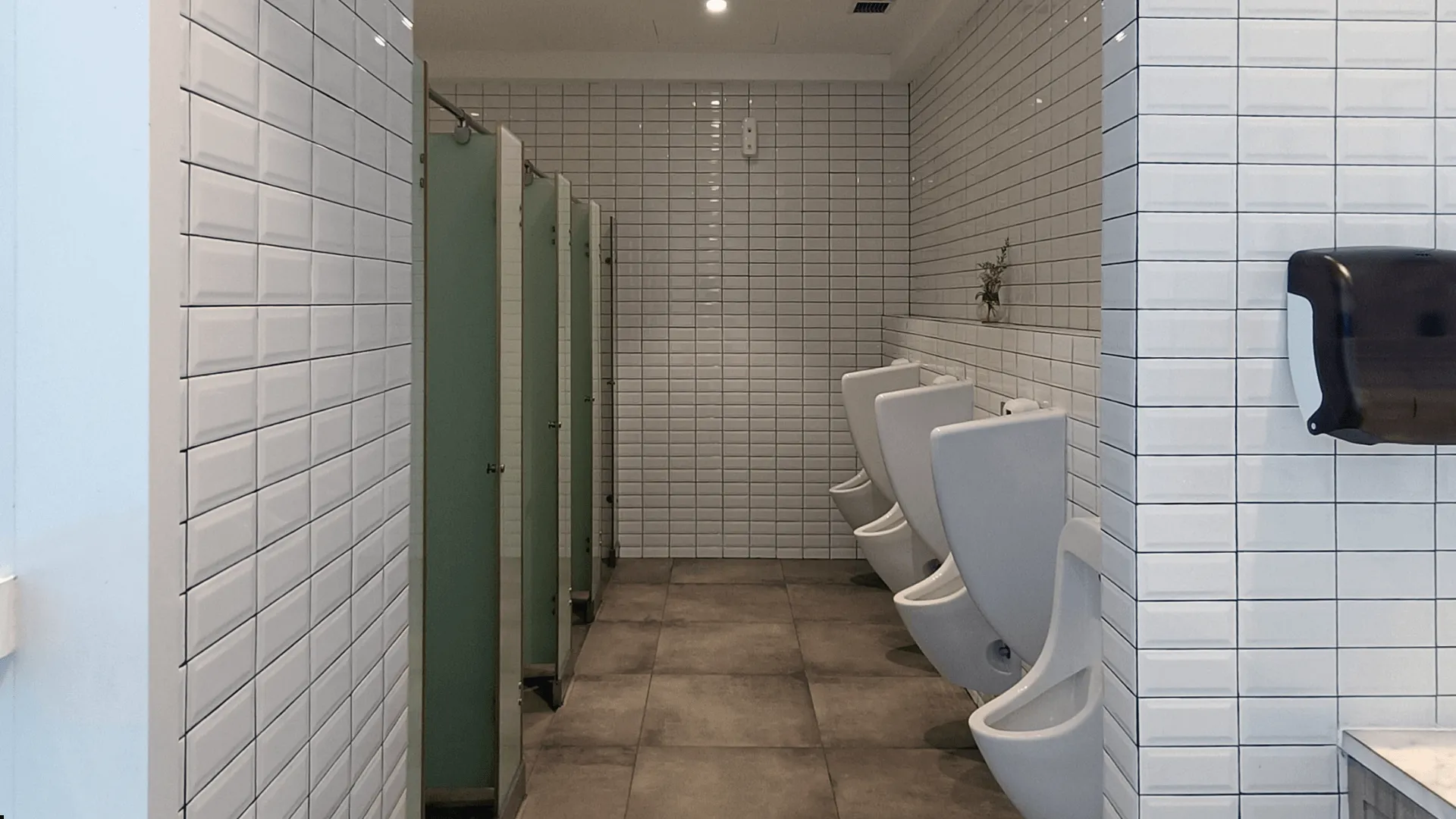
Your customers use your restroom to judge your kitchen. Dirty restroom = dirty kitchen assumption.
Hourly restroom checks (high-volume restaurants):
- Restock supplies (toilet paper, soap, paper towels)
- Spot clean sinks and counters
- Check floors for spills
- Empty trash if needed
Daily restroom cleaning:
- Clean and disinfect toilets, urinals, sinks
- Mop floors with sanitizing solution
- Clean mirrors and fixtures
- Sanitize door handles and stall locks
- Refill all dispensers
- Scrub grout and tile
- Clean behind toilets and fixtures
- Disinfect walls and partitions
- Deep clean drains
If your restroom smells bad, your customers are already planning to leave a bad review.
Cleaning Frequencies for Restaurants
Multiple daily cleanings:
- Food prep surfaces (between uses)
- Cooking equipment (throughout shift)
- Restrooms (hourly checks in high-volume spots)
Nightly cleaning:
- All kitchen equipment and surfaces
- Dining area tables, chairs, floors
- Complete restroom sanitization
Weekly deep cleaning:
- Kitchen equipment interiors
- Exhaust hoods and filters
- Walk-in coolers/freezers
Monthly/periodic:
- Grease traps
- Floor stripping and waxing
- Complete equipment disassembly
Adjust schedules based on restaurant size, customer volume, and food service type.
Cleaning Logs & Documentation
Professional restaurant cleaning requires proof, not promises.
Why cleaning logs matter:
- Demonstrates consistency during health inspections
- Creates staff accountability
- Identifies missed tasks
- Protects you during disputes
What every log should document:
- Date and time
- Specific areas cleaned
- Tasks completed
- Cleaning products used (with sanitizer concentrations)
- Staff signature
Types of logs restaurants need:
- Kitchen cleaning logs (daily)
- Equipment cleaning logs (weekly/monthly)
- Restroom cleaning logs (multiple daily entries)
- Temperature logs (walk-in coolers/freezers)
Digital or paper doesn’t matter. Consistent, accurate documentation does.
Common Restaurant Cleaning Mistakes to Avoid
Top failures:
- Skipping deep cleaning tasks (inspectors look everywhere)
- Inconsistent sanitation routines (cleaning when convenient ≠ protocol)
- Improper sanitizer concentration (guessing doesn’t kill bacteria)
- Neglecting restrooms during peak hours (customers notice immediately)
- Failing to document cleaning (no log = no proof)
- Using wrong products (all-purpose cleaner ≠ food-safe sanitizer)
Fix these before your next inspection. Not after you fail.
What to Look for in a Restaurant Cleaning Company
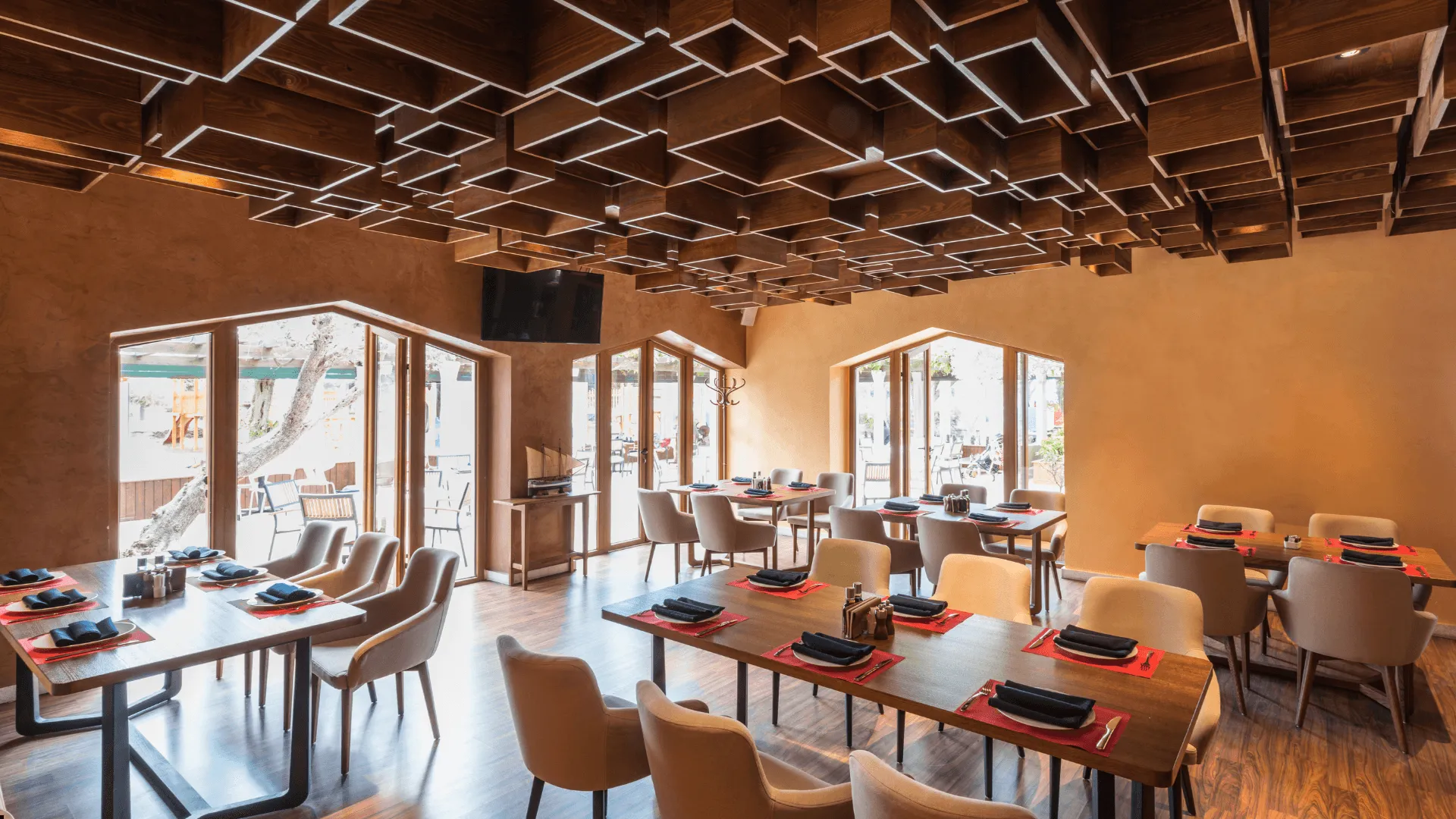
Not all restaurant disinfection services understand food-service requirements.
Essential qualifications:
- Experience with food-service environments
- Understanding of Florida health codes
- Flexible after-hours scheduling
- Customized cleaning plans
- Quality control processes
- Proper insurance and bonding
- Staff trained in food-service sanitation
Questions to ask before hiring:
- Do you have restaurant experience our size?
- What sanitizers do you use?
- How do you document cleaning?
- Can you work around our hours?
- How do you handle inspection preparation?
No good answers = find another company.
Benefits of Hiring Professional Restaurant Cleaning Services
Why professional matters:
- Improved food safety (proper protocols reduce risk)
- Better inspection readiness (documented compliance)
- Enhanced customer trust (visible cleanliness drives repeat business)
- Reduced violation risk (fewer fines, fewer closures)
- Consistent results (not dependent on staff availability)
- Staff focus on service (your team cooks, not scrubs grease traps)
Your kitchen staff became chefs to cook. Not to mop at 11 PM.
Conclusion
Restaurant cleaning West Palm Beach health departments approve of requires documented protocols, consistent execution, and zero shortcuts.
Your restaurant sanitation plan covers kitchens, dining areas, and restrooms with equal intensity. Skip one area and fail inspections. Neglect documentation and lose compliance proof.
Whether you run a food truck, fast-casual concept, or fine dining establishment, proper food safety cleaning isn’t optional – it’s infrastructure.
Ready for a cleaning company that understands food-service compliance?