


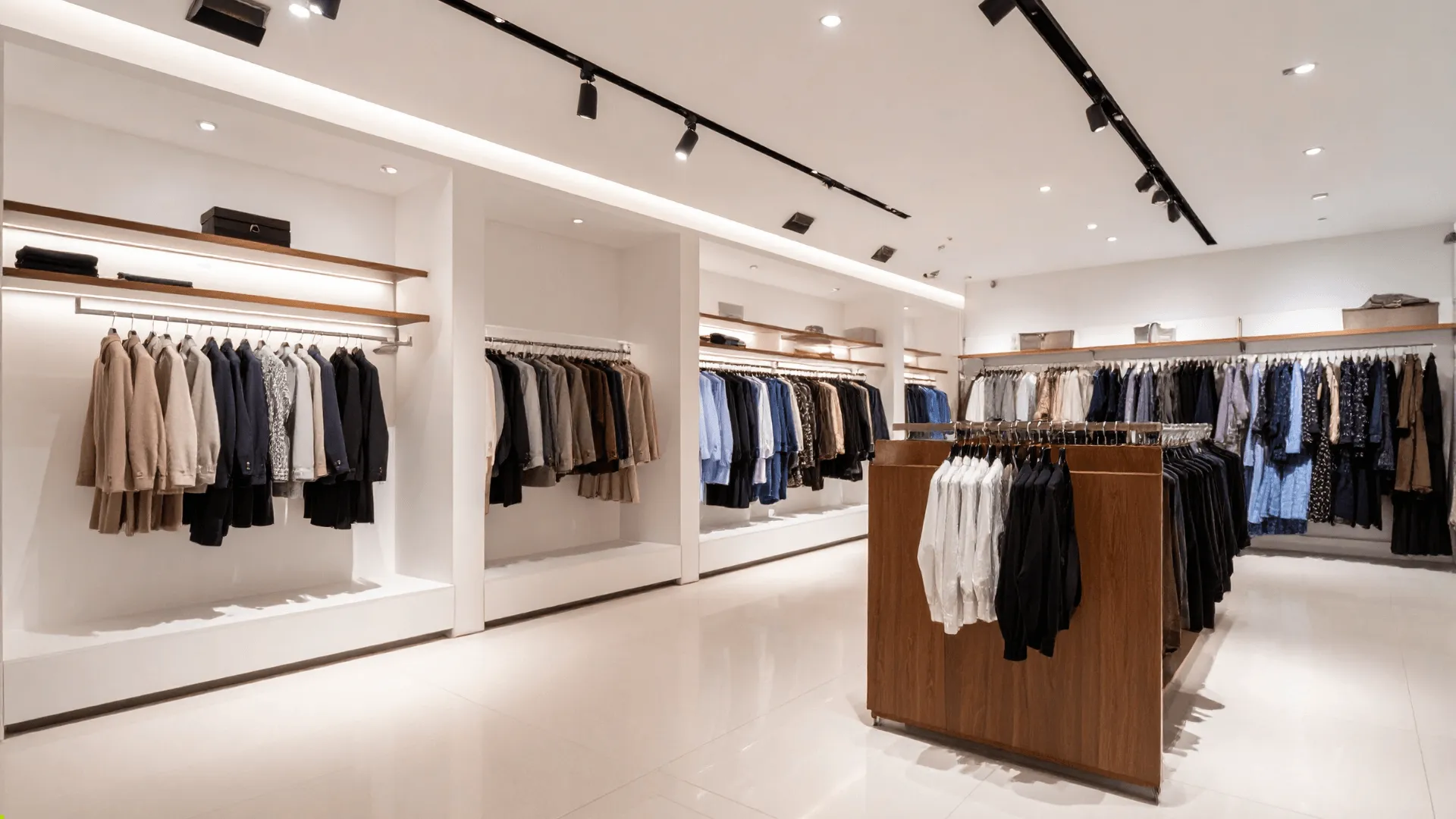

Cleanliness plays a major role in how customers perceive retail businesses.
In West Palm Beach, retail stores deal with high foot traffic, outdoor debris from coastal conditions, and constant customer interactions. One dirty floor? Customers notice. One grimy restroom? They’re shopping elsewhere next time.
Maintaining a clean store environment helps businesses create positive customer experiences and protect brand reputation. Retail cleaning also improves safety, reduces slip hazards, and keeps store displays attractive.
Most retail owners understand cleaning matters. What they miss is that retail store cleaning West Palm Beach requires different practices than stores in other climates, and different strategies than office cleaning.
This guide covers the key cleaning practices that help retail stores maintain professional and welcoming environments.
Let’s talk about what actually works.
Jump To:
Why Cleanliness Matters in Retail Environments
Managing High Foot Traffic in Retail Stores
Maintaining Clean Floors and Store Displays
Restroom and Customer Area Sanitation
High-Touch Surface Cleaning in Retail Stores
Why Cleanliness Matters in Retail Environments
Retail cleanliness directly impacts your bottom line.
First impressions and customer perception:
Customers form opinions within seconds of entering. Clean floors, organized displays, and fresh-smelling spaces signal professionalism. Dirty environments suggest neglect, even if your products and service are excellent.
Impact of cleanliness on brand reputation:
Your store is your brand in physical form. Cleanliness communicates values. Premium brands can’t maintain premium perception with discount-level cleaning standards.
Health and safety considerations:
Slip hazards from wet floors. Dust triggering allergies. Dirty restrooms spreading germs. These aren’t minor concerns, they’re liability risks and customer health factors.
Maintaining comfortable shopping environment:
Customers linger longer in clean, pleasant spaces. They leave quickly when floors are sticky, displays are dusty, or restrooms are questionable. Dwell time directly correlates with sales.
Managing High Foot Traffic in Retail Stores
In retail, your store’s first 10 feet dictate the cleanliness of the entire facility. High tourism and coastal activity create a non-stop delivery system for sand and street debris, turning every entrance into a high-capacity collection zone.
Because what looks pristine at 10 AM is often trashed by 2 PM, high-traffic environments require more than a once-daily sweep. You need continuous floor maintenance and a minimum of 15 feet of commercial-grade matting to capture contaminants before they migrate deeper into your showroom.
Investing in a professional mat service and frequent mid-day cleaning cycles ensures your entrance remains a welcoming storefront rather than a saturated grit trap. By prioritizing this “first strike” defense, you protect your inventory and your brand from the abrasive realities of the Florida coast.
The Foundation of Retail: Floor Maintenance as a Brand Asset
Floors are the most visible indicator of a store’s health; they can make or break a customer’s first impression. High-traffic zones require a rigorous schedule of multiple daily sweeps and strategic mopping during slow periods to balance pristine aesthetics with the need to prevent slip hazards.
Each surface demands a specialized touch to survive Florida’s coastal grit. Tile requires constant grout attention to prevent darkening, vinyl needs expert care to buff out inevitable scuffs, and polished concrete can dull instantly if treated with the wrong chemicals. Using the correct products isn’t just about shine, it’s about protecting the material from abrasive sand.
Ultimately, consistent professional floor cleaning addresses the “triple threat” of retail management: liability, perception, and cost. By preventing accidents, eliminating the poor perception of a dirty storefront, and slowing the wear that leads to expensive replacements, professional maintenance ensures your floors remain a durable asset rather than a growing liability.
Display and Shelf Cleaning: Protecting Your Silent Salespeople
In the retail world, your displays are your silent salespeople, but dirty fixtures immediately undermine their pitch. Florida’s humidity acts as a binder, causing dust to stick to surfaces faster than it would in drier climates; what stays clean for weeks elsewhere requires attention within days here.
When customers touch merchandise, they expect a premium experience, but dusty products and grimy fixtures create immediate doubt about quality. Gritty shelves or fingerprints on glass cases send a subconscious message that the inventory is neglected, even if the products themselves are brand new.
Maintaining a professional edge requires constant vigilance, regular dusting, wiping down surfaces, and polishing mirrors to keep reflective areas bright. By keeping lighting fixtures clean and glass crystal clear, you ensure that the focus remains on the merchandise, protecting your brand’s professional image.
Restroom and Customer Area Sanitation
Retail restrooms directly influence purchase decisions.
Importance of clean restrooms in retail spaces:
Customers judge your entire business by your restroom condition. Industry research shows 75% of customers would avoid returning to stores with dirty restrooms.
Maintaining sinks, mirrors, and fixtures:
Daily deep cleaning isn’t negotiable for retail restrooms. Mirrors without streaks. Sinks without soap scum. Fixtures without water spots. Floors without visible moisture or debris.
Trash removal and sanitation routines:
Empty trash before overflow. Restock supplies proactively. Disinfect surfaces multiple times daily during high-traffic periods.
Regular cleaning of fitting rooms and customer areas:
Fitting rooms accumulate debris, hangers, and personal items. Customer seating areas collect dust and require regular surface disinfection. These spaces need consistent attention.
High-Touch Surface Cleaning in Retail Stores
Your “high-touch” surfaces are where your brand’s reputation is physically handled. From the moment a customer pulls open your front door, they are making a subconscious judgment about your business based on the grit or grime they feel. Since these handles are touched hundreds of times daily, they serve as the primary point of contact and the first place you need to break the chain of germ transmission with multiple daily disinfections.
The real “hot zones” are where the money changes hands. Checkout counters, credit card terminals, and signature pads are constant touchpoints for both staff and shoppers, turning them into high-contamination areas that need more than just a nightly wipe-down. The same goes for shopping carts and baskets; these are shared tools that cycle through dozens of hands, accumulating layers of bacteria that require a dedicated sanitation protocol to keep your customers feeling safe and comfortable.
Тhis level of care isn’t just about passing an inspection, it’s about building genuine customer confidence. In our modern retail landscape, people notice when a counter is sticky or a display is smudged.
Creating a Consistent Retail Cleaning Schedule
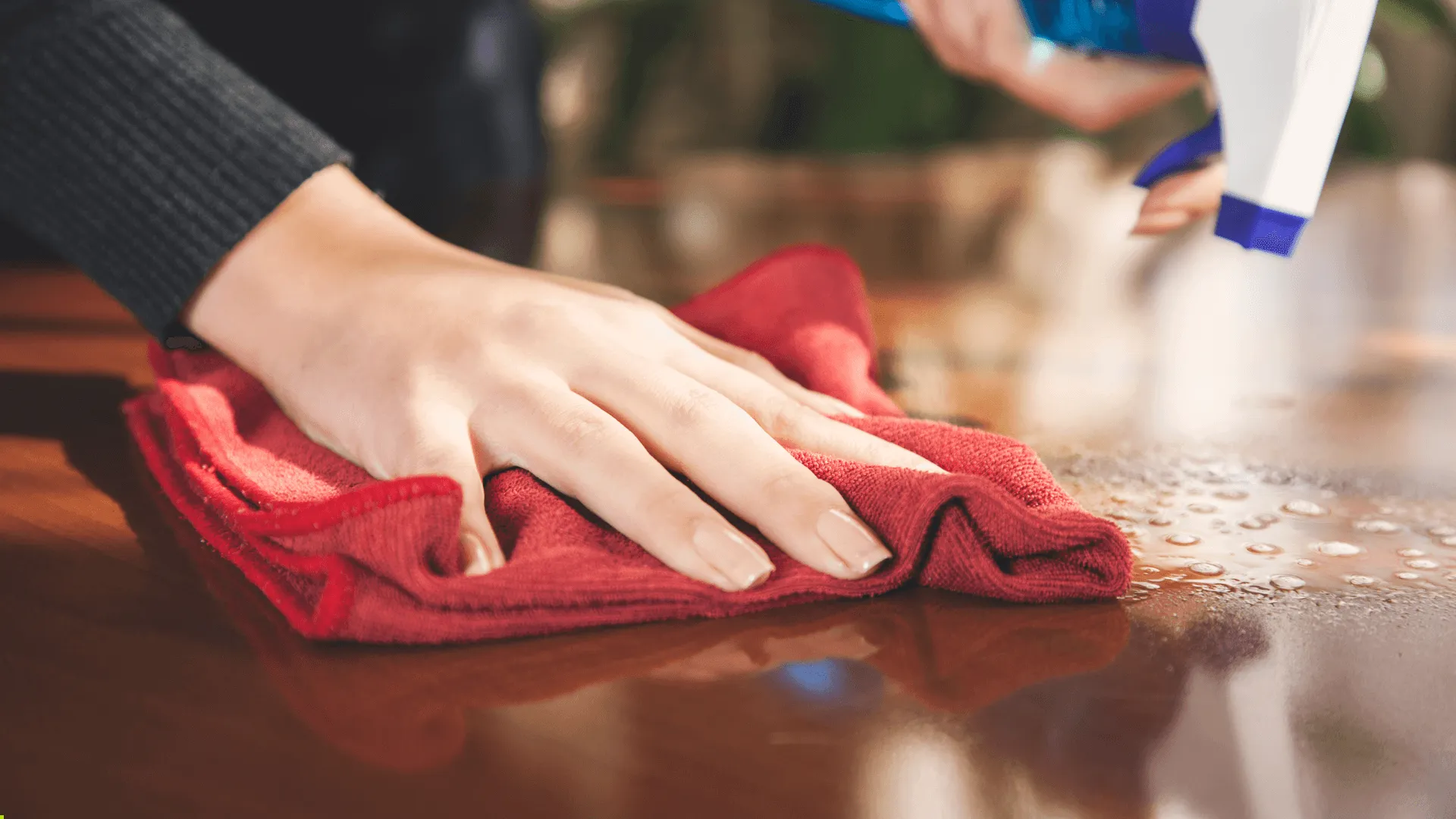
Consistency matters more than intensity.
Daily cleaning tasks:
- Sweep and mop floors (multiple times in high-traffic areas)
- Clean restrooms thoroughly (multiple checks during operating hours)
- Wipe down checkout counters and payment terminals
- Disinfect high-touch surfaces
- Empty trash throughout store
- Spot-clean displays and shelves
- Remove visible debris from entrances
- Deep floor cleaning (extraction for carpets, professional mopping for hard surfaces)
- Comprehensive display and shelf dusting
- Interior glass and mirror cleaning
- Deep restroom cleaning (grout, fixtures, walls)
- Behind-counter and storage area cleaning
- Fitting room deep cleaning
Periodic deep cleaning services:
- Monthly comprehensive facility cleaning
- Quarterly floor stripping and waxing (if applicable)
- Seasonal deep cleaning before peak shopping periods
- Post-event intensive cleaning
Adjusting cleaning frequency based on store traffic:
Tourist season = increased frequency. Holiday shopping = daily deep cleaning. Slow periods = maintain standards but optimize scheduling.
Conclusion
Retail businesses rely heavily on customer perception, and cleanliness plays a major role in shaping that experience.
In busy retail environments like West Palm Beach, stores face high foot traffic, coastal debris, and constant surface contact. These conditions demand more than basic cleaning, they require strategic maintenance addressing actual environmental and operational challenges.
Following effective cleaning practices helps retail stores maintain safe, welcoming spaces for customers and employees. Consistent maintenance protects brand reputation, prevents safety hazards, and improves overall shopping experience.
With professional cleaning support, businesses can focus on sales while ensuring their physical environment supports their brand.