





Do You Have Moving Stress?
It’s not that humans are naturally lazy. We are, however, programmed to keep ourselves safe and secure, and change is stressful. Moving is among the top three most stressful life events for people of any age. Learning about moving stress will calm your anxiety and help you cope.
However chaotic your life may feel, at least it’s familiar chaos. You know where the threats are and where to go for shelter. You know how you fit in with other people. When you are uprooted, though, you’ve literally lost the ground you stand on. You’re expected to organize everything, perform with unbounded energy, pay everybody, and leave a blank slate behind you as you start with a clean slate ahead. You have to think out every little decision and then carefully assess each result. Your confidence in yourself and the world is shot. Moving is a trauma.
 How Does Moving Affect Your Feelings?

Your anxiety about moving is real. You’re disoriented because your routines are disrupted. You struggle with the roiling tangle of unpredictable emotions dealing with loss and grief: shock, numbness, anger, confusion, guilt, irritability, depression, hypersensitivity, helplessness, fear of making a mistake, loneliness, isolation, avoidance of people, generalized dread, nostalgia and yearning for the past, and feeling paralyzed or stuck. Can you think of any more? Often referred to as “relocation depression,” the stress of moving can drive you to abuse mood-altering substances.
How Does Moving Affect Your Body?
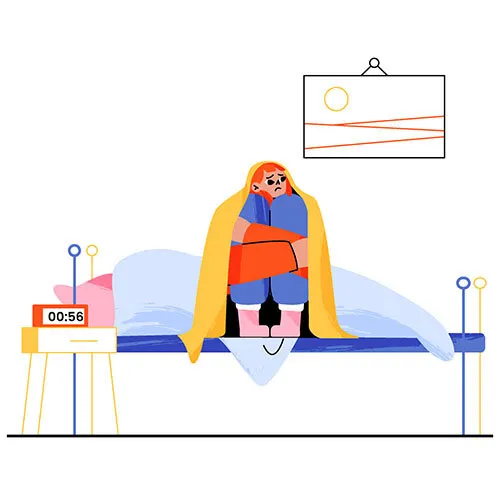
You know that tension affects physical well-being. In the presence of any kind of stress, your brain acts as a sentry on guard to keep you safe. It sparks the body to release stress hormones such as adrenaline and cortisol to activate the fight or flight response to keep you going until the crisis is over. Extra blood flowing to your brain often results in headaches. Your body’s potential need for fast physical action diverts blood flow to the digestive system, which causes indigestion and diarrhea.
Your breathing speeds up, your heart beats harder, and your blood pressure rises. Normal symptoms include chest pain and jitters as well as insomnia and loss of sexual functioning. Since the purpose of your immune system is to fight invaders, it’s triggered into overdrive by launching inflammatory attacks. For an immediate, short-term threat, these responses are life-saving. As an ongoing lifestyle, your body’s perception of danger can kill you.
How Does Moving Affect Your Mind?

Even under the best circumstances, moving is a high-speed cognitive marathon. You’re forced to evaluate your past life, prevent anything from coming back to haunt you, design what you hope your new life to be like, and decide how to prioritize everything that needs to be done. How many tasks can one person keep up with? You have to undo, redo, and do anew, all while expecting the unexpected. These tasks require memory, concentration, thinking ahead, reading, writing, arithmetic, and avoiding distractions from negative people as well as your own critical inner voice. You’re overloaded for days on end!
Tips for Managing Stress from Moving
The question “Why is moving so stressful?” is no longer an issue. Your focus is on what you can do now. Even though you might feel as though you’re losing control, you haven’t. After all, you’ve survived every day of your life up to now! Remember that this state of affairs won’t last forever.
What to Expect
Stressful situations are the norm in everyday life, but you have the tools to cope. Expect your emotions to bounce around. Being strong during a crisis means functioning while you’re feeling those emotions, so don’t be hard on yourself. This goes for the people around you, too.
Self-Care
Before a commercial airplane takes off, the flight attendant advises the passengers on how to access the oxygen system in case of emergency, instructing them to apply the oxygen mask on themselves first before trying to help anyone else. It’s vital to focus on your personal health and well-being before attending to other tasks. Use the acronym B.R.E.A.T.H.I.N.G. as a reminder how to take care of yourself:
B: Not everyone is as lucky as you to have the freedom to move, so BE GRATEFUL.
R: REACH OUT to friends, family, kind people, and pets for support.
E: Make it fun and ENJOY this adventure!
A: ACCEPT the basic wisdom of the Serenity Prayer even though its authorship is uncertain: “Give us the serenity to accept what cannot be changed, the courage to change what can be changed, and the wisdom to know the one from the other.”
T: You deserve to reward and TREAT YOURSELF for so much hard work.
H: It’s okay to ask for HELP!
I: Long performances always have INTERMISSIONS, so take breaks and pace yourself.
N: NURSE YOURSELF with good hygiene, deep breathing, hydration, naps, and kindness.
G: Seek GREEN space, fresh air, and sunshine.
What Else You Can Do

Because stress triggers those action hormones, one of the fastest ways you can ease anxiety about moving is to take action. Your body is already pumped up! Here are some tips:
Moving Out Checklist
Use the following checklist or make your own list of things to do before you’re ready to move. Instead of the acronym K.I.S.S. for “Keep It Simple, Stupid,” remember to “Keep It Simple for Success.” You’re in no way stupid! Set small manageable goals:
- Prepare in advance as much as possible. Communicate with the moving company, your employer, schools, medical and veterinary professionals, pharmacies, utility companies, internet providers, post offices, subscription services, etc.
- Look online for detailed articles with a moving timeline. Getting help from experts will ensure a smooth transition and give you peace of mind.
- Research the area where you’re going. Be sure to drive the route a few times, assess parking for the moving van, and explore the interior of the house to plan how to organize your belongings.
- If you’re moving with others, let them express their emotions, share in decisions, and take part in the process.
- Keep your important contacts in the loop. Increasing contact with old friends and connections will strengthen your support system.
- Arrange memorable activities to say your goodbyes to people and places.
- Compile and back up important documents.
- Overlap old and new habits, rituals, and events to provide continuity in your life. Everyone needs something to look forward to.
- Prepare a box of special items to have on hand throughout the move including a first aid kit, flashlight and batteries, device chargers, basic tools, a can opener, sentimental items, etc. You’ll feel more prepared and secure.
- Declutter old place to give yourself a sense of control and to decrease the amount of what you have to pack. Recycle and donate unused items.
- Schedule a last walk-through with the landlord.
- Book professional cleaners to clean your new place before you begin moving in, and to deep clean the old place after you’ve moved out. Because they know how to clean quickly and efficiently, their work will amazingly lighten your load.
Moving In Checklist

Some people imagine themselves as authors writing the script of their own life as if it were a movie. Imagine each new challenge as a plot twist in the story, knowing that exciting and wonderful new things are coming your way.
- Bring your most important things first including favorite items to unpack immediately for easy access.
- When faced with fresh problems, remind yourself of ways you successfully handled situations in the past.
- Look for new activities and put them on your calendar for a visible reminder that your new life will be fulfilling. Plan ways to make new memories
- Use your senses to make the new place familiar and welcoming: Bring framed favorite photos, play music, set out flowers or houseplants, burn a scented candle, bake cookies, and take rest breaks on fluffy pillows or big stuffed animals. You get the idea.
- To reach out tendrils into your new community, visit the kinds of places you enjoyed in your old home: nearby parks, sports and music venues, restaurants, community centers, libraries
- Allow yourself time to grieve. It takes time to adjust to loss. Feeling blue is normal. What would you say to a friend feeling sad about a major life change? Say those things to yourself.
“What Dad Said”
Founder of MaidThis, Neel Parekh reports that one of the most effective actions for increasing productivity is to “plan your day out the night before.” He says focusing on one or two main tasks gives you “purpose and guidance.” At the end of the day, you feel successful because you did what you said you were going to do. When asked the best advice he’d ever received, he said he often replays his Dad’s voice asking, “Well, what can you do now?” It means reviewing what was done, what needs to be done next, and how it can be done better.
How MaidThis Los Angeles Can Help You
MaidThis is a select team of skilled professional cleaners specialized in easing the burdens of living by giving people a clean, healthful, fresh living space. Everybody in LA needs that.
Whether you need professional cleaners for your home or vacation rental, you can get move-in/move-out jobs, regularly scheduled visits, one-time extreme cleaning, basic housekeeping, deep cleaning, or custom projects. Every cleaner is experienced, carefully screened, and background-checked. Scheduling is flexible, fast, and easy. Book online or call us today!