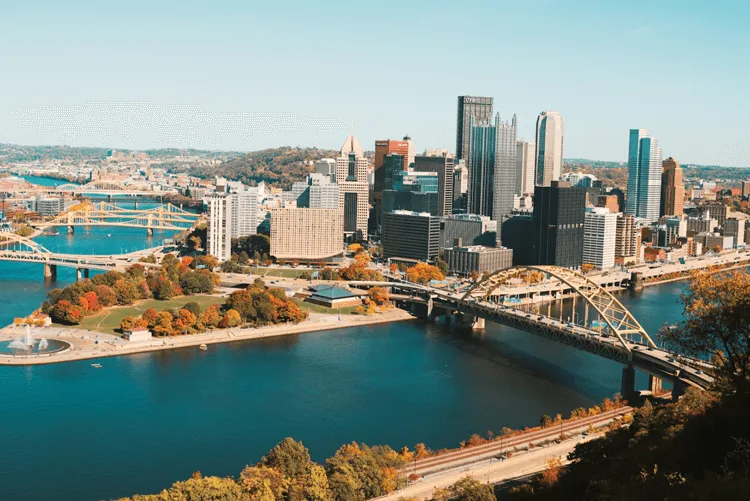





So you’ve decided to turn your Pittsburgh property into an Airbnb goldmine. (Smart move — have you seen those nightly rates during Steelers season?) But before you start counting your rental income and daydreaming about passive cash flow, there’s one tiny detail that could turn your side hustle into a legal headache: Airbnb license requirements in Pittsburgh.
Nothing kills the hosting dream faster than a cease-and-desist letter from the city. Understanding Pittsburgh’s short-term rental regulations isn’t just about checking boxes — it’s about protecting your investment, keeping guests safe, and avoiding fines that’ll make your property taxes look like pocket change. Whether you’re renting out a Lawrenceville loft or a Squirrel Hill single-family home, navigating the licensing maze is non-negotiable.
The good news? It’s not as complicated as assembling IKEA furniture. (Though arguably less fun.) This guide breaks down everything you need to know about operating legally in the Steel City — from required permits to common pitfalls that trip up even experienced hosts.
Do You Need a License to Host on Airbnb in Pittsburgh?
Pittsburgh doesn’t mess around when it comes to short-term rentals. If you’re hosting guests for less than 30 consecutive days, you’re operating a short-term rental (STR)—and that means you need proper licensing before your first booking goes live.
Here’s where it gets interesting. Pittsburgh differentiates between short-term and long-term rentals with the precision of someone splitting a restaurant bill. Rent your place for 30+ days? That’s a long-term rental with different rules. Under 30 days? You’re in STR territory, and the city wants to know about it.
The key distinction:
- Short-term rentals (under 30 days): Require STR license, business registration, and compliance with specific safety codes
- Long-term rentals (30+ days): Follow traditional landlord-tenant regulations without STR-specific licensing
Think of it like the difference between running a pop-up shop versus a permanent storefront. Different game, different rules.
The city implemented these requirements because — shocker — not everyone was playing fair. Some hosts were essentially operating unlicensed hotels, while neighbors dealt with noise complaints and revolving-door guests. (Wild concept: cities prefer to know who’s running quasi-hotels on residential streets.)Do you technically need a license for Airbnb? The platform itself doesn’t require it, but Pittsburgh absolutely does. And ignoring local law because a website doesn’t enforce it is like ignoring speed limits because your car doesn’t have a governor. Creative logic? Sure. Smart? Not remotely.
Types of Licenses and Permits for Pittsburgh Hosts
Plot twist: Getting legal isn’t just one form. It’s a greatest hits collection of bureaucratic paperwork. But don’t panic — it’s manageable once you know what you’re dealing with.
Short-Term Rental License (STR)
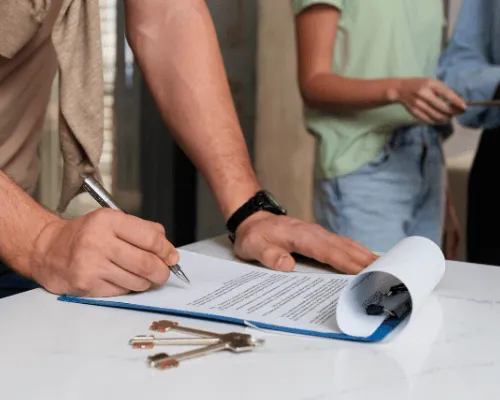
This is your golden ticket. The STR license from the City of Pittsburgh’s Department of Permits, Licenses, and Inspections (PLI) officially authorizes you to host short-term guests. Without it, you’re basically running a speakeasy, minus the cool factor.
The license applies to your specific property—so if you own multiple Airbnbs across Pittsburgh, you’ll need individual licenses for each one. (Nobody said building an empire was cheap.)
Business License and Tax Registration

Surprise! You’re not just a host — you’re a business owner. That means registering your short-term rental as a business entity and obtaining a business privilege tax account through the city.
This isn’t the city being petty. Your Airbnb generates income, and income means taxes. Pittsburgh wants its cut of those booking fees, and honestly, that’s fair. (They maintain those pothole-riddled streets you’re advertising as “charming historic neighborhoods.”)
You’ll also need to collect and remit applicable local taxes on your bookings. Airbnb handles some of this automatically through their platform, but you’re ultimately responsible for compliance.
Safety and Occupancy Certifications
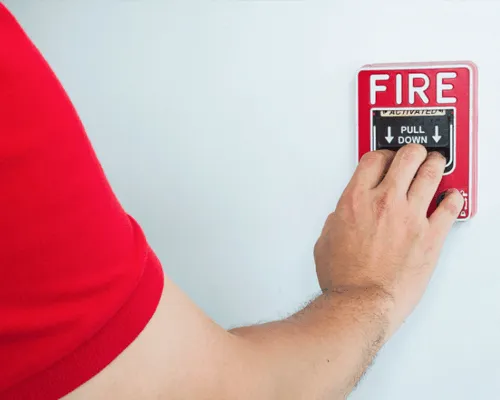
Here’s where things get serious. Pittsburgh requires STR properties to meet specific safety standards, including:
- Fire safety inspections: Working smoke detectors, carbon monoxide detectors, fire extinguishers in accessible locations
- Occupancy limits: Based on property size and layout
- Building code compliance: No DIY electrical work that makes inspectors weep
These aren’t suggestions — they’re legal requirements. Your listing might photograph beautifully, but if it fails inspection, you’re not hosting anyone.
Official Resources:
- City of Pittsburgh Department of PLI: pittsburghpa.gov/pli
- Short-term rental information and applications
- Business tax registration through Pittsburgh’s finance department
Bookmark these. You’ll visit them more than your actual Airbnbthood.
Steps to Obtain an Airbnb License in Pittsburgh
Ready to get official? Here’s your roadmap from “technically illegal” to “legitimately licensed.”
Step 1: Verify Your Property Qualifies
Not all Pittsburgh properties can operate as STRs. Check local zoning regulations—some neighborhoods have restrictions or outright bans on short-term rentals. (Nothing says “wasted effort” like completing the entire application process before discovering your block doesn’t allow STRs.)
If you’re in an HOA or condo building, review those rules too. Some prohibit short-term rentals entirely, and ignoring your HOA is a special kind of expensive mistake.
Step 2: Gather Required Documentation
You’ll need:
- Property deed or lease agreement (proving you own or have permission to rent)
- Valid government-issued ID
- Proof of property insurance (standard homeowner’s insurance usually doesn’t cover STR activity—more on that later)
- Floor plans showing room layouts and square footage
- Recent property inspection reports if available
Pro tip: Start a dedicated folder (digital or physical) for all STR-related documents. Future you will appreciate not hunting through email for that one form at 11 PM before a deadline.
Step 3: Schedule Safety Inspections
Contact PLI to schedule required inspections. An inspector will verify your property meets fire safety codes, occupancy limits, and basic habitability standards.
Common inspection focus areas:
- Smoke and CO detector placement (one per sleeping area minimum)
- Accessible fire extinguishers
- Emergency egress routes (windows that actually open, clear exit paths)
- Electrical and plumbing systems
- General property maintenance
Failed your first inspection? Don’t panic. You’ll typically get a list of required corrections and a chance to re-inspect. Just fix what they flag—these folks have seen it all.
Step 4: Complete the STR License Application
Head to the PLI website and complete the short-term rental license application. You’ll submit all your gathered documentation and pay the application fee.
Current fees (subject to change, obviously):
- Application fee: Check PLI website for current rates
- Annual renewal fees: Also check the website because listing specific dollar amounts here would be outdated by publication
Timelines vary, but budget 4-8 weeks for processing. Faster if your paperwork is immaculate, slower if you forgot to dot your i’s or cross your t’s.
Step 5: Register for Business Taxes
While your STR license processes, register your business with the city’s finance department. This sets up your business privilege tax account and ensures you’re in the system for tax collection.
Yes, it’s an extra hoop. Yes, it matters. No, pretending you “didn’t know” won’t work as a defense.
Step 6: List Your License Number
Once approved, you’ll receive an STR license number. This should be displayed on your Airbnb listing — it’s not optional decorative information. It shows potential guests (and the city) that you’re operating above board.
Think of it like a health department grade for restaurants. Nobody wants to stay in an unlicensed operation, and displaying your compliance builds trust.
Airbnb Rules vs. City Licensing Requirements

Here’s where hosts get confused: Airbnb has rules, Pittsburgh has rules, and they’re not identical. Following one doesn’t exempt you from the other.
Airbnb’s Platform Policies
Airbnb’s platform policies cover things like cancellation procedures, guest communication standards, and house rules. The platform might encourage hosts to follow local regulations, but enforcement is spotty at best. Airbnb isn’t going to knock on your door demanding to see your STR license.
Pittsburgh’s Municipal Requirements
Pittsburgh’s municipal requirements are actual law with actual consequences. The city can (and does) investigate unlicensed short-term rentals, especially after neighbor complaints or during routine checks.
How does Pittsburgh enforce compliance? A few ways:
Active Monitoring
PLI can search Airbnb listings for Pittsburgh properties and cross-reference against licensed STRs. Operating without a license? Expect a strongly worded letter, followed by escalating penalties if you ignore it.
Complaint-Driven Investigations
Unhappy neighbors are remarkably effective enforcement mechanisms. One noise complaint can trigger an investigation into your licensing status.
Partnership with Platforms
While Airbnb doesn’t actively police compliance, cities can request information about hosts operating in their jurisdiction. You’re not as anonymous as you think.
Penalties for non-compliance aren’t gentle:
- Fines starting at hundreds of dollars and increasing with continued violations
- Forced listing removal until you’re properly licensed
- Potential legal action for repeated or egregious violations
- Tax penalties if you’ve been collecting income without proper registration
(Friendly reminder: “I didn’t know” works about as well in court as “my dog ate my STR license.”)
The smarter play? Just get licensed. The time and money you’ll spend fighting the city makes the application process look like a bargain.
Common Mistakes Pittsburgh Hosts Make with Licensing
Learn from others’ expensive errors. These are the pitfalls that snag even well-intentioned hosts.
Mistake #1: Operating Without a License
This is the big one. Some hosts adopt the “I’ll deal with it later” approach, assuming they’ll fly under the radar. Plot twist: You won’t. Pittsburgh actively monitors short-term rental activity, and getting caught unlicensed means retroactive fines plus the licensing process you should’ve completed initially.
It’s like skipping your inspection and hoping your car just happens to be compliant when you eventually get pulled over. Optimistic? Sure. Realistic? Not remotely.
Mistake #2: Confusing STR and Long-Term Rental Rules
Renting a room to a college student for the semester? That’s long-term. Hosting football fans for a weekend? Short-term. The rules are completely different, and mixing them up creates compliance nightmares.
Some hosts try getting clever: “What if I rent it for 29 days at a time?” Congrats, you’ve discovered the loophole that regulators closed immediately. Intent matters, and revolving 29-day “leases” to different guests screams STR activity.
Mistake #3: Ignoring Zoning and HOA Rules
Your STR license only matters if your property is actually allowed to operate as an STR. Zoning restrictions vary by neighborhood, and HOA covenants can ban short-term rentals even in STR-friendly zones.
Discovering your property can’t legally host Airbnb guests after you’ve invested in licenses, furniture, and marketing? That’s a financial faceplant you don’t recover from easily.
Mistake #4: Using Inadequate Insurance
Standard homeowner’s insurance doesn’t cover short-term rental activity. Your policy likely excludes commercial use, meaning if something happens during a guest’s stay, you’re personally liable.
Airbnb’s Host Protection Insurance provides some coverage, but it’s not comprehensive. You need proper STR-specific insurance, and operating without it is gambling with your entire financial future. (Spoiler: The house always wins.)
Mistake #5: Letting Licenses Lapse
STR licenses require annual renewal. Miss the deadline, and you’re back to operating illegally — even if you were perfectly compliant yesterday.
Set calendar reminders. Multiple calendar reminders. Tattoo the renewal date on your arm if necessary. Whatever keeps you from accidentally becoming a licensing violator because you forgot to submit paperwork.
Tips to Stay Compliant as a Pittsburgh Airbnb Host

Staying legal isn’t a one-time checkbox — it’s ongoing maintenance. Here’s how to keep your hosting operation squeaky clean.
Keep Documentation Current
Create a system for tracking license renewals, insurance policy dates, and inspection schedules. A missed deadline can shut down your entire operation, so treat these dates like booking requests: non-negotiable.
Digital reminders work, but so does a physical calendar dedicated to compliance deadlines. Whatever method ensures you actually remember is the right one.
Monitor Local Regulation Changes
Pittsburgh’s STR regulations aren’t set in stone. Cities adjust rules based on housing market conditions, resident complaints, and policy priorities. What’s legal today might require additional permits tomorrow.
Subscribe to PLI email updates, join local host groups, and check the city website periodically. Being blindsided by regulation changes because you weren’t paying attention is entirely preventable.
Work With Professionals
Three areas where professional help pays off:
- Bookkeeping: A tax professional who understands STR income ensures you’re compliant with local, state, and federal requirements. The money you spend on their services is pocket change compared to audit penalties.
- Cleaning: Professional cleaning services aren’t just about guest satisfaction — they’re about maintaining the property standards required by your license. Inspectors don’t care that you’re “pretty tidy.” They care about meeting code.
- Legal compliance: When Pittsburgh updates STR regulations or you’re expanding to multiple properties, an attorney familiar with local ordinances can save you from costly mistakes. Think of it like hiring a guide for a complicated hike — yes, you could navigate alone, but do you really want to?
Maintain Guest Communication Standards
Part of staying compliant means running a professional operation. Clear house rules, prompt communication, and well-maintained properties reduce the risk of complaints that trigger investigations.
Happy guests don’t call the city to report you. Unhappy guests absolutely do. Treat hosting as the business it legally is, and compliance becomes significantly easier.
Join Local Host Communities
Other Pittsburgh Airbnb hosts face the same regulatory maze. Facebook groups, local meetups, and hosting associations share information about licensing updates, successful strategies, and common pitfalls.
You’re not competing with other hosts for compliance knowledge — everyone benefits when the community shares information. (Well, everyone except the hosts trying to operate under the radar. But they were doomed anyway.)
Why Local Airbnb Hosts Choose MaidThis in Pittsburgh

Maintaining inspection-ready cleanliness isn’t just about passing annual reviews — it’s about every single turnover between guests. Professional cleaning services like MaidThis Cleaning understand Pittsburgh’s STR property standards because they work with hosts across Lawrenceville, Shadyside, and South Side daily.
Their cleaners know the difference between “looks clean” and “meets code,” which matters when surprise inspections happen or when that one guest with impossibly high standards books your property. (Spoiler: It’s always during the week you’re too busy to deep-clean yourself.)
- Maintain the property standards required by your STR license
- Reduce the risk of failed inspections due to cleanliness issues
- Ensure consistent quality between every guest turnover
- Free up your time to focus on guest communication and booking management
- Prevent negative reviews that could trigger city investigations
- Keep your property in show-ready condition for unexpected inspections
Consistent professional cleaning isn’t an expense — it’s insurance against the compliance issues that start with “just this once, I’ll skip the deep-clean.
Conclusion
Understanding Airbnb license requirements in Pittsburgh isn’t optional — it’s foundational to running a legitimate short-term rental business. The licensing process might feel bureaucratic (because it absolutely is), but it protects you, your guests, and your investment.
Compliance isn’t just about avoiding fines. It’s about building a sustainable hosting business that can grow without legal complications threatening to shut it down. Licensed hosts sleep better knowing their operation won’t implode over paperwork they neglected.
Think of licensing as the foundation of your hosting operation. You can’t build a successful Airbnb business on shaky legal ground, no matter how gorgeous your space photographs or how competitive your pricing. Get licensed first, then focus on five-star reviews.
Ready to get your licensing sorted? Start with Pittsburgh’s PLI website, gather your documentation, and begin the process. And while you’re at it, consider how professional services — like regular cleaning from experienced teams — help maintain the property standards that keep your license valid and your guests happy.
Because nothing says “professional host” quite like a spotless property and a license number that proves you actually know what you’re doing.