




Frederick Douglass said, “A man is worked upon by what he works on. He may carve out his circumstances, but his circumstances will carve him out as well.” To put it in different words, you can improve your well-being when you keep your space tidy. In this blog, you’ll see how cleaning and mental health support each other.

What Is Mental Health?
How would you describe “mental health”? Like physical health, mental health is a balanced state that involves multiple factors. Your emotional, psychological, and social functioning affect what you feel about yourself and others, how you interpret situations, solve problems, make decisions, and handle stress. Learn more here.
Living in a major urban center gives us Angelenos a sharp awareness of what mental health means, do you agree? Our environment is filled with chaos and clutter on a good day, even affecting every breath we take. As Frederick Douglass pointed out, people’s mental health is affected by their environment but it also enables them to make changes in their environment.
The Negative Impacts of Clutter and Mess
What Chaos Does to the Mind
Study after study describes the tangled relationship between internal and external disorder. Children growing up in cluttered, dirty homes eventually learn to accept chaos as normal, but later they often develop anxiety and depression.
Excessive clutter overstimulates the part of the brain that interprets visual cues. This in turn results in distracted attention, difficulty focusing, and delayed mental processing. As time passes, the ongoing external disorganization intensifies the internal desire for order and predictability. Adults live with underlying tension from the “unfinished business” of the frustrated need to restore order. The frustration ends up being accompanied by guilt, shame, and a sense of personal failure.
What Junkiness Does to the Body
When clutter and mental health collide, the body responds by secreting more hormones to cope with the added stress. However, hormones such as cortisol are meant for emergencies, not daily drama. In excessive amounts they cause medical conditions over time that may include headaches, allergies, exhaustion, premature aging, respiratory and heart problems, eating disorders, and substance abuse.
In addition, the accumulation of dust and mold in a cluttered environment promotes bacterial growth and pest infestations that transmit disease. Pollution buildup within the home due to poor ventilation makes existing problems more serious. Most HVAC (heating and air conditioning) systems recycle filtered air in the home but don’t replace it, so the concentration of allergens, mold spores, viruses, fine particles, and toxic gasses builds up. Hoarding can make the home dangerous when exits are blocked, beds and bathrooms are unusable, flammable items are stashed near electrical outlets, and piles of belongings put residents at risk of falling and becoming injured or trapped.
The Benefits of Cleanliness
Benefits for Mental Health
Cleaning your home contributes to cognitive and emotional health by affirming your capability to assert control. It gives you a sense of achievement because you can see visible results. Cleaning reduces anxiety by reducing chaos and distractions. You feel calmer and gain a sense of clarity. All of these benefits ease depression as you become more aware that you have the ability to make changes. You feel more secure when you know where to find your belongings. At last, you’re confident that your days of searching for your phone or keys in a panic are over! Your mind improves as your ability to focus grows. The predictability of your life inside the home eases stress and increases your sense of security.
Benefits for Physical Health
The physical act of cleaning is therapeutic. You walk, carry, reach, stretch, bend, and even dance (play music when you clean!). All that moving counts as exercise and it releases endorphins that boost your mood. Your blood circulates better and you breathe more deeply. Repeated cleaning should inspire you to make room to exercise and dance more.
Frequent cleaning eliminates the food sources of mold and bacteria, which has the added benefit of deterring pests such as insects and rodents. Opening windows ventilates your home with fresh air and light. Oxygen-rich air from outside is a “pollutant dilutant.”
Benefits for Social Health
When your home is clean, you offer a welcoming environment for family, friends, and visitors. You have the opportunity to share your hobbies and interests with what you choose to display with your decor, as well as demonstrate your organizational skills. You create a safe and healthy space for pets who return your love by supporting your mental and social health. Finally, and most importantly, a clean home becomes a safe haven because it is easy to secure against break-ins and fire hazards. Pathways to exits are clear, phones and keys are within easy reach, and outdoor escape routes are accessible.
CHORES
Cleaning is therapeutic, whether you do it yourself or somebody else helps you! Use the acronym “C.H.O.R.E.S.” to remember how a clean environment helps you:
C: Convenience and control of your space
H: Health and happiness
O: Organization and order
R: Routine, renewal, rebirth, and rest
E: Exercise and endorphins
S: Security, safety, satisfaction, success, and sleep
Tips to Make Your Home Clean
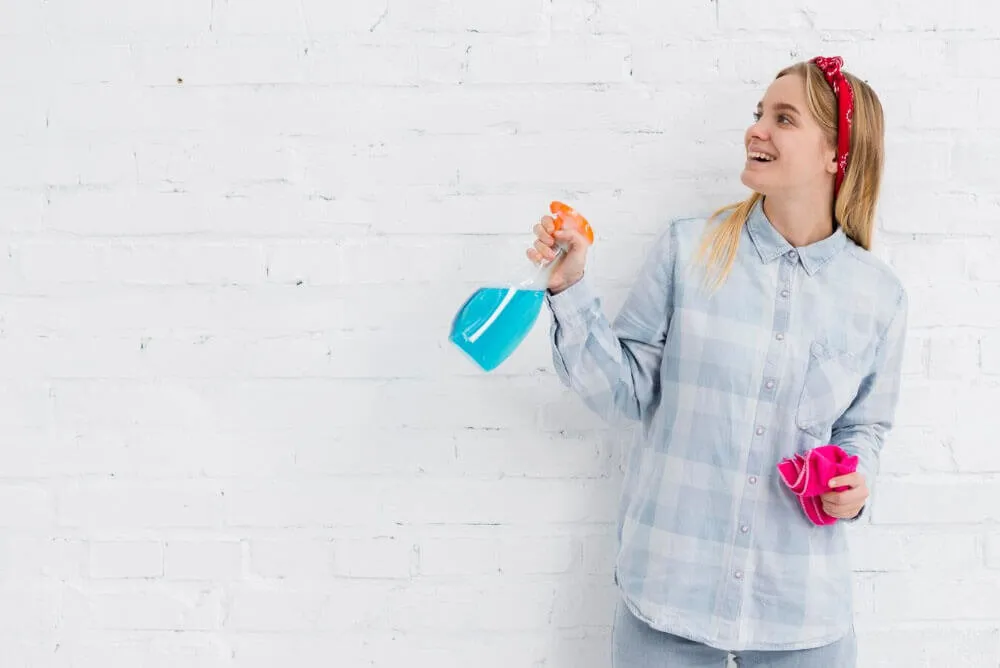
Here are some tips that you can adjust to your individual needs:
- Give yourself permission to clean at your own pace (which can vary from day to day).
- Get rid of trash and stinky stuff daily no matter what else you do or don’t do.
- For peace of mind, clean your sleep space and one work surface daily.
- Choose your approach: Create a schedule or structure, setting a timer or assigning yourself jobs based on the day of the week. A different approach is to spontaneously ad-lib and freely enjoy whatever cleaning tasks appeal to you most. Some people do one room at a time, while others focus on a single activity house-wide.
- To focus, ask yourself direct questions. What clutter is bugging you? What will give you the best sense of accomplishment? What mess matters the most? What will make your life easier?
- “A place for everything and everything in its place.” Make decluttering easier by giving each object a place based on what’s most convenient.
- Keep boxes, bins, or bags handy so items you don’t need can be donated, recycled, or discarded.
- Link tasks to habits you already have so cleaning gets to be part of your routine. For example, every time you brush your teeth, wipe down the bathroom mirror.
- Whenever possible, work as you go. Each time you go from one room to another, clean or declutter a bit.
- Secret to feeling good: Set small daily goals designed for quick success. Every success strengthens the cleaning habit and builds your confidence. Examples of easy goals include dealing with daily mail, a few dishes, one load of laundry, or the toilet bowl.
- Be proud of every triumph because you’re further along than you were when you woke up, right?
- It’s okay to ask for help! Not only can you ask a friend, but professional cleaning companies specialize in doing work just the way you want it done.
When to Be Concerned
Clutter from activities of daily living is normal, but how can you tell when clutter and mental health are in conflict?
You probably know the answer: When your emotions become overwhelming, then even simple tasks become overwhelming. You feel helplessly buried in a mess.
Healthcare providers see conditions as serious when they interfere with everyday functioning. When struggling changes a person’s life, it’s time to find help. Such changes include increasing depression, distress, anxiety, irritability, and social withdrawal. Disruption of work, school, and recreational activities soon follows. Clutter and mess impact health by causing fall risks, sleep problems, meal preparation difficulties, neglect of personal hygiene, pest infestation, and more. It’s time to communicate with a trusted healthcare provider for advice.
Having a clean home is not moral superiority or a luxury. It’s a necessity for mental, physical, and social well-being.
MaidThis Can Help You
You aren’t alone in your struggles to control cleaning and mental health. The cleaners at MaidThis Los Angeles are local professionals who have seen it all.
We’re here to help you. Let us lighten your load and give you the relief you need. Call today or click below.