



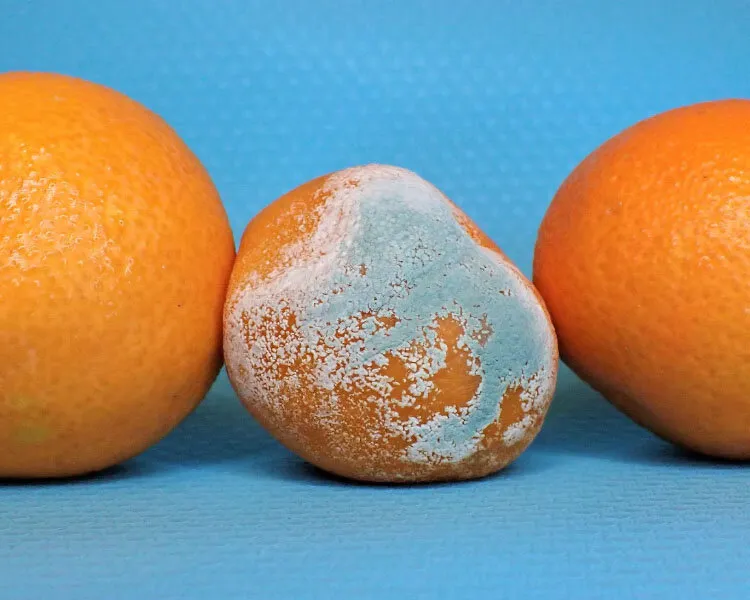

A clean home is good for your health and emotional well-being, but keeping it clean is a challenge. It’s important to get rid of mold early so it doesn’t take over. In this blog, we’ll give you easy mold solutions so you can enjoy a fresh, sparkling home year-round.
What is Mold?
Scientists have been arguing about how to classify living things for centuries. Life forms are divided into different kingdoms. Fungi have their own kingdom separate from plants and animals. Molds are fungi.
History of fungus
The first fungi appeared over a billion years ago, probably underwater. Some scientists believe only 5-10% of today’s fungi have been identified. You may think humans rule the Earth, but take another look at the “fungus amongus!”
What is mold and why does it grow?
If you’re confused by the difference between mold and mildew, you’re not alone. Mold is a type of fungus. It’s fuzzy, grows in raised dots or mounds, comes in several colors, and has a notable strong rotten odor. Mildew is a different kind of fungi that includes some molds. Mildew starts as flat, powdery white or gray dots that turn brown, and usually has a sour or rancid smell.
Common causes
Knowledge is power. Knowing what makes mold thrive will help you understand how to clean mold. The biggest thing to remember is MOISTURE. MOLD LOVES MOISTURE. Control the moisture, you control the mold.
Types of Household Mold
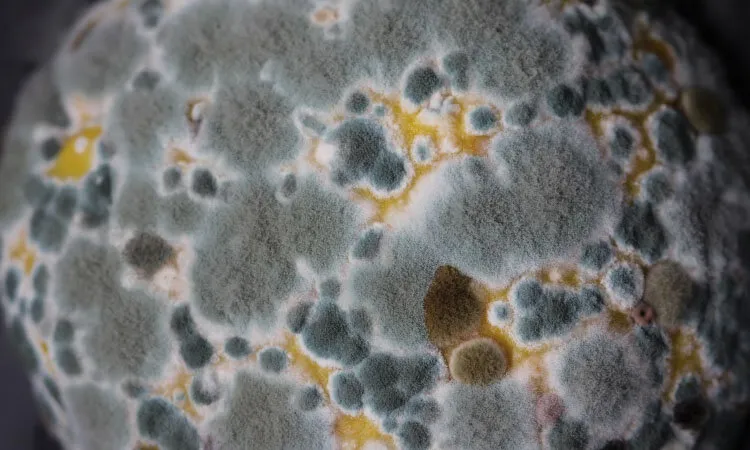
Here are the most common molds found in buildings:
- “Black mold” or Stachybotrys chartarum: Although many harmless molds appear black, this species (pronounced “stackee-BO-triss) is dark greenish, slimy, musty-smelling, dangerous, and requires intervention from pros.
- Aspergillus: Growing in small yellowish to black dusty, fuzzy colonies on household surfaces and food, some species produce toxins resulting in respiratory problems and allergic reactions.
- Penicillium: Yes, this is the source of the antibiotic penicillin. Presenting as velvety greenish-blue patches, it thrives on damp, decaying surfaces. It triggers strong allergic reactions in sensitive individuals.
- Cladosporium: Another mold known to trigger allergic and asthmatic attacks, it appears in dark patches and survives in cooler environments all year.
- Mildew: A flat surface-growing fungus that might include certain species of molds, mildew is common in bathrooms. The pinkish slime often seen on shower curtains is actually a red yeast.
Where Mold Can Grow in Your Home
You’ve seen mold in your fridge, but here are more spots:
- Bathrooms
- Kitchens
- Windows and air conditioners
- Around humidifiers, nebulizers, oxygen concentrators, and CPAP machines
- Ventilation systems
- Laundry rooms
- Pet areas, near aquariums, and around houseplants
- Basements
- Ceilings (because warm air and steam rise)
- Attics
- Doors and outside areas
- Crawlspaces
One more thing: mold penetrates and damages the places it grows. What you see is only the outside of the colony. Reproductive spores are released from its surface, but the colony burrows deeply into porous surfaces like wood, plaster, wallpaper, fabric, brick, and concrete.
Safety Precautions Before Cleaning Mold
If you have physical concerns that might be affected by cleaning mold, especially respiratory or neurological disorders, contact your healthcare provider before taking this on.
Protective gear

Wear long, durable gloves, goggles, and an N-95 respirator. Transport or discard moldy objects in plastic bags.
Ventilation tips

- Open windows and turn on exhaust fans so cross drafts pull mold spores outside.
- Close the inside door to the room where you’re working.
- Room fans can help dry damp surfaces but spread spores.
- Don’t run your HVAC (heating, ventilation, and air conditioning) system if it’s near sources of mold or water leaks. Change the filters, and get the annual servicing and duct cleaning.
Mixing cleaning solutions safely
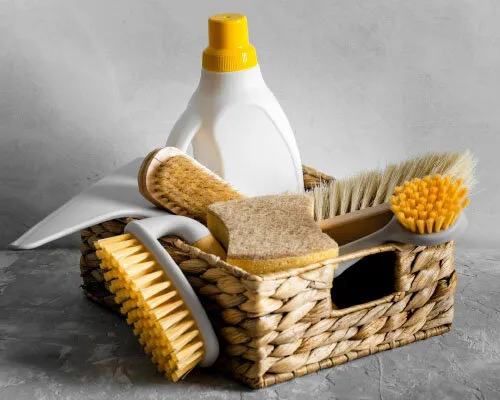
Professional house cleaning services will always advise you to read the labels of any cleaning products you use. Heed warnings about the dangers of mixing cleaners because certain combinations create poisonous fumes and caustic liquids capable of causing permanent damage, even death.
When to call a professional

If your home has a flooding problem, if the mold problem is widespread, and if members of the household experience irritation of the eyes, nasal passages, throat, and respiratory tract, then a professional service provider needs to visit. Planning how to clean black mold — toxic Stachybotrys — is a job for HazMat (hazardous materials) experts.
How to Clean Mold — Step-by-Step Guide
Read the safety precautions again! Like viruses, mold spores are invisible, infectious, spread by air currents and dust, able to penetrate deeply wherever they land, and can lie dormant for years.
Don’t spread the spores
Knowing how to clean mold means choosing the right equipment. Use a rag, never a brush, to gently scrub affected surfaces.
Clean, rinse, and dry
To temporarily remove active mold and some staining, wipe with detergent and water, white vinegar with baking soda, or a cup of bleach in a gallon of water. Rinse thoroughly and immediately dry with fresh rags. Regular cleaning and moisture management will control a mold problem. The furnishings in rooms where mold has been cleaned need to be wet-wiped, vacuumed with a HEPA filter, and shampooed.
When in doubt, throw it out
Discard all rags. Discard items such as books, papers, toys, clothing, and furniture that have been immersed in flood water or other contaminated water without being cleaned and dried within 24-48 hours. Because mold penetrates porous materials, caulking or painting the surface won’t kill it.
How to Clean Black Mold
Is the mold simply a dark-colored species or is it actually the dreaded Stachybotrys chartarum. You can’t tell by looking at it. If it’s Stachybotrys, don’t disturb it. If it covers a large area and if anyone in the home is suffering from unexplained medical changes, consider calling your healthcare provider and staying elsewhere.
Local contractors and health departments can provide information about professional mold inspectors or indoor environmental consultants. Check their certification from organizations like the American Council for Accredited Certification and the Indoor Air Quality Association. Be sure they’re experienced and can test for Stachybotrys through air and surface sampling. If you rent your home, notify your landlord in writing with details about your concerns. State and local laws usually regulate landlord responsibilities.
Preventing Future Mold Growth

An ounce of prevention is worth a pound of cure. You can’t get rid of mold but you can control it.
What mold needs to survive
Ants love picnics. Mold spores are similar: give them what they want, they’ll stick around. To get rid of mold, don’t provide these things:
- Moisture: Mold needs moisture to thrive, although some species go dormant for centuries in dry conditions.
- Oxygen: Mold requires oxygen but can survive in low-oxygen environments like vacuum packaging.
- Nutrition: Mold not only likes people food, but also wood, paper, cloth, coffee grounds, pet poop, rotting plants, dead animals, and more.
- Darkness: Like vampires, mold is killed by sunlight.
- Moderate temperatures: Blue fuzz on the leftovers in your fridge proves that mold tolerates the cold. Freezing won’t kill it, but will make it hibernate until things warm up.
More tips to prevent mold
- Dry out wet objects and areas within 48 hours, the sooner the better.
- Repair leaks in roofs and gutters.
- Prevent water pooling near the house foundation.
- Fix air conditioning leaks.
- Monitor indoor humidity with a hygrometer (inexpensive): aim for less than 60%.
- Insulate cold surfaces.
- Check for leaks when you see condensation on windows and pipes.
- Turn on exhaust fans and open windows when showering, cooking, washing, etc.
MaidThis Is Here to Help You

Battling mold is a big job. Let us give you a hand.
Mold solutions and cleaning services
MaidThis is a nationwide full-service residential and vacation rental cleaning organization staffed by professionals. Here’s what you can get:
- Regular recurring cleaning visits
- Deep cleaning
- Move-in/move-out cleaning
- Vacation home and Airbnb cleaning
- One-time cleaning
- Custom jobs
- Cleaning by the hour
- The best of the best: Background-checked cleaning experts, easy booking, flexible scheduling, secure financial transactions, open communication, and guaranteed satisfaction
Want more information? Call us today, especially if you think you have a mold problem!
Dreaming of running a successful business from home?
If you love tech and have the soul of an entrepreneur, then the opportunities of a franchise with MaidThis might be perfect for you. People always need cleaning services. Check out the partnership business benefits available for you here.