



There’s great wisdom in using a daily cleaning checklist to keep your home organized, hygienic, clean, and fresh. The beauty of using a structured system and realistic cleaning schedule for house cleaning for kitchen, bedroom, bathroom cleaning, yearly deep cleaning, and related chores is about saving time, minimizing effort, and achieving excellent results.
There are countless benefits to having a clean, organized living space. In addition to peace of mind and personal pride, individuals who reside in Philadelphia appreciate the need to spend their time as efficiently as possible. Using a daily checklist breaks a large job into manageable tasks.
What is a Cleaning Checklist and How Can It Benefit You?
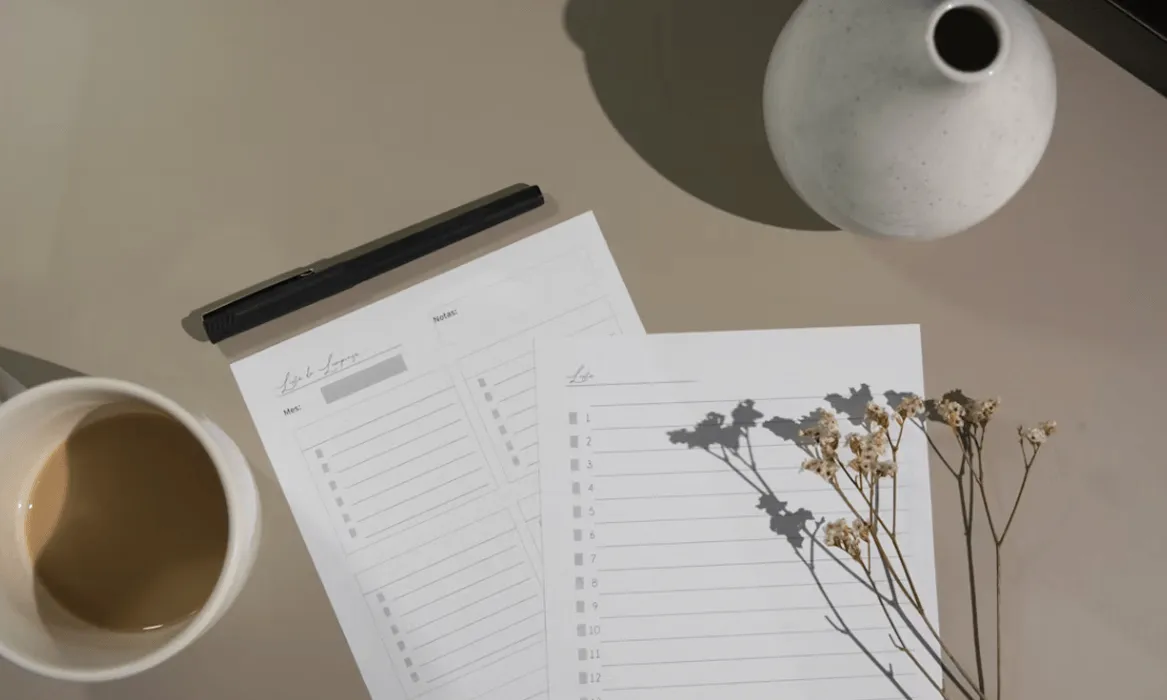
A checklist is a type of cleaning schedule that is structured and specific. It outlines all the cleaning tasks that need to be done each day. Not only does such a list minimize stress and save you time, but it also helps you avoid overlooking essential jobs.
List-users never have to worry about spending too much time or deciding what parts of the house need cleaning. The result is less clutter, a healthier living space, and a more hygienic environment. You’ll enjoy a sense of accomplishment as you complete small tasks each day.
Daily Cleaning Checklist
There’s really no substitute for an organized, structured checklist that gives you full control over the way and speed of cleaning an entire house or apartment. The secret is to break the job up into bite-size pieces, so to speak, and tackle just a small amount of work each day. For most people, that means devoting about 20 minutes to keep their entire living space sparkling clean, neat, and fresh-smelling. Here’s what to do in each area.
Living Room
Vacuum and dust the entire area, paying special attention to end tables, coffee tables, and entertainment centers. Shake area rugs outside. Clean upholstery when possible, dust light fixtures, clean windows, and move furniture before vacuuming the entire room.
Remove couch and chair cushions before vacuuming them to remove built-up dust and dirt. Remove wall hangings, clocks, pictures, and similar items and dust them thoroughly. For hard floors, sweep with a broom to collect debris, and then lightly wet-mop them with warm water.
Entryways
Remove clutter, wipe down any surfaces, neaten planter areas, organize closets, sweep and mop floors, dust corners near the ceiling, shake or vacuum small entry rugs, dust small furniture items, and remove coats and umbrellas to a designated spot. Main doors and screen doors are part of the entry zone, so clean them by doing a daily wipe-down of the surfaces and cleaning any glass in decorative windows.
For screens, use a damp, warm, soapy cloth to wipe them at least once per week. Use a strong, absorbent cloth welcome mat inside the entry to collect debris, dirt, and other unwanted substances. Outside, place a bristle-like mat so people can clean their shoe bottoms before entering.
Bathrooms
Bathrooms are prime areas of focus for keeping mold, mildew, and other kinds of unclean substances from building up. Tackle them by focusing on the following:
- Disinfect and clean all shower areas and bath tubs, paying special attention to built-up grime and mildew
- Wax and mop floors. If the areas are large, divide the areas into sections.
- Clear out drawers, cabinets, linen closets, and cubbies. Wipe down countertops.
- Wipe down and scrub sinks and toilets.
- Organize vanity tables after cleaning them.
- Dust and wipe down all light fixtures, mirrors, and other glass surfaces.
- Shake out or vacuum small rugs.
Bedrooms
In bedrooms, vacuum under the beds, make beds, clean windows, and dust all dressers and surfaces. Change linens regularly; wipe down mirrors; organize dresser drawers; remove clutter from closets; vacuum cobwebs from corners of ceiling areas; wipe down and clean light fixtures.
Put clothes away and remove clutter from the floors. Under-bed areas tend to collect a lot of dust, so pay special attention to those spots when doing daily cleaning. If beds are high enough, it’s possible to vacuum underneath them without moving them each time. Remove clutter and reorganize nightstands regularly, and dust small electric appliances on them, like clock radios, tablets, reading lights, etc.
Kitchens
Kitchens get the most traffic of any room, particularly for families that prepare lots of meals. What should you do to keep them at their best? Wipe down all appliances, sanitize sinks, clean off counters before wiping them down, and mop floors after sweeping them to remove dust and debris. Wash, dry, and put away dishes. Clean out the cabinets.
Empty trash receptacles and sponge-wipe the inside of the oven at least once per week. Consider wiping down walls near ovens and food-preparation areas regularly, as food and grease buildup can become a problem over time. Likewise, clean out the fridge once a month with a warm, soapy sponge. Place an open box of baking soda on the rear lower shelf to absorb food odors between cleanings.
Tips and General Tasks
To get the most out of following a cleaning schedule and using a daily cleaning checklist, Philadelphia residents employ all sorts of time-saving tips, like the following, so that it’s much easier to adhere to a realistic cleaning schedule:
- Laundry: It’s more efficient to do small loads more frequently than to let laundry build up. When washing, sort everything by fabric type and color.
- Bathroom Cleaning: Use a disinfectant and a scrub brush to do a daily scrub of toilets. Every day, wipe down counters and sinks to prevent grime buildup.
- Entryways: Keep the entry tidy by organizing coats, shoes, umbrellas, etc. Minimize dust, debris, and dirt by sweeping the floor at least every other day.
- Bedroom Cleaning: Put clothes away. Keep clutter to a minimum. And make your bed every morning as soon as you get up. Make the bed each morning.
- Kitchen Cleaning: Sweep floors to minimize dirt buildup. Do dishes at least once per day and keep countertops clean.
- Plants: Don’t forget to dust the leaves of plants to keep them strong and healthy. Do a “pest check” regularly, and water all plants as needed.
Get in touch with us today. Let experts take care of your cleaning needs!
Frequently Asked Questions
How do I motivate myself to clean daily?
Use a timer to motivate yourself. Take the attitude of facing a challenge that has a high reward. Put on some music to make the time pass more quickly. Make a decision to give yourself a small reward in the form of a treat or a short nap. The goal is to create a positive association with household cleaning by tying it to pleasant experiences.
Can I skip some tasks if I’m short on time?
If you’re in a hurry, consider delaying non-urgent tasks like kitchen cleaning and bedroom cleaning but taking care of quick chores like doing dishes, taking trash out, neatening high-traffic zones, and doing a small load of laundry.
What are the benefits of daily cleaning?
There are many, but the main ones are never having to devote a huge amount of time to the task, maintaining a hygienic living environment, keeping clutter to a bare minimum, eliminating stress, creating a more attractive home, and enjoying a tidy and neat place to enjoy daily life.
How long should a daily cleaning routine take?
Ideally, a typical daily routine should take up between 20 and 30 minutes of your time. Even if you’re incorporating a few deep cleaning tasks into the mix, try to stay under the half-hour limit. Thirty minutes lets you tackle the job without feeling stressed. It’s enough time to expend minimal effort to keep the living space organized and clean.