


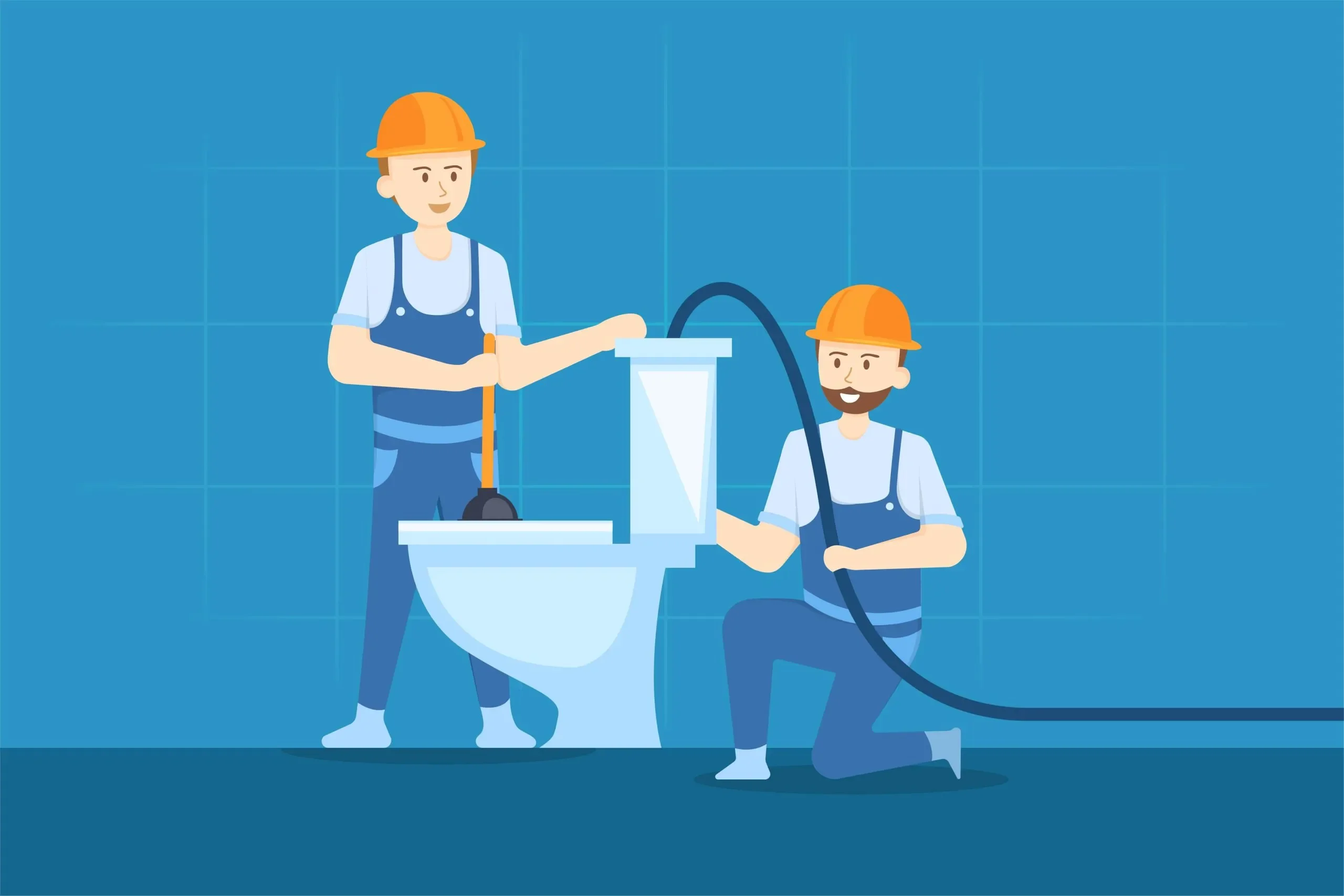
Toilets are generally a high-germ area, so it’s important to clean and disinfect it weekly. The damp, warm conditions can be a breeding ground for harmful germs to spread, especially after you flush the toilet. In this guide, we’ll show you how to clean your toilet step by step. First, we’ll tell you what tools you need to clean the toilet—like a toilet brush, scrubber, and gloves. Then, we’ll go over how long it takes to clean the toilet, whether you’re doing a quick clean or a deep clean. Next, we’ll walk you through how to clean the toilet, covering every part, from the bowl to the tank. We’ll also give you tips on how to remove tough stains from a toilet, like hard water marks and rust. This guide is easy to follow and will help you keep your toilet clean and fresh.
What Tools You Need to Clean the Toilet
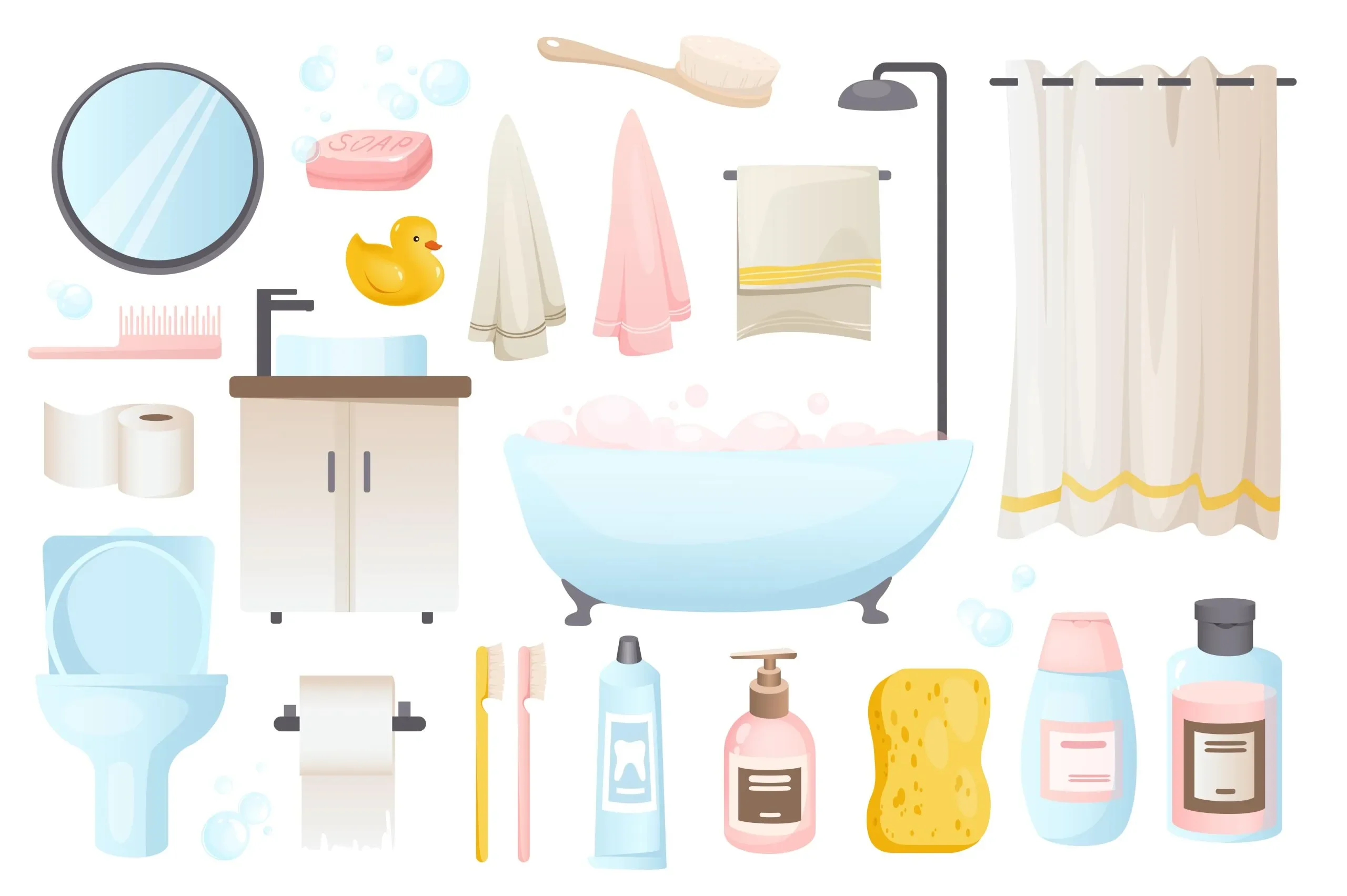
To effectively clean a toilet, you will need the following tools:
Toilet Brush: A sturdy toilet brush is vital for scrubbing the bowl, especially under the rim and around the drain. Choose one with durable bristles that can reach tough spots.
Scrubber or Sponge: Use a scrubber or non-abrasive sponge to clean the toilet’s exterior, including the seat, lid, and tank. This helps remove dirt, dust, and grime.
Rubber Gloves: Always wear rubber gloves. They protect your hands from germs, bacteria, and harsh cleaning chemicals. Gloves also provide a better grip while cleaning.
Bucket: A bucket is useful for mixing cleaning solutions or rinsing tools after use. It can also hold water for scrubbing tasks outside the bowl, like cleaning the tank or the exterior.
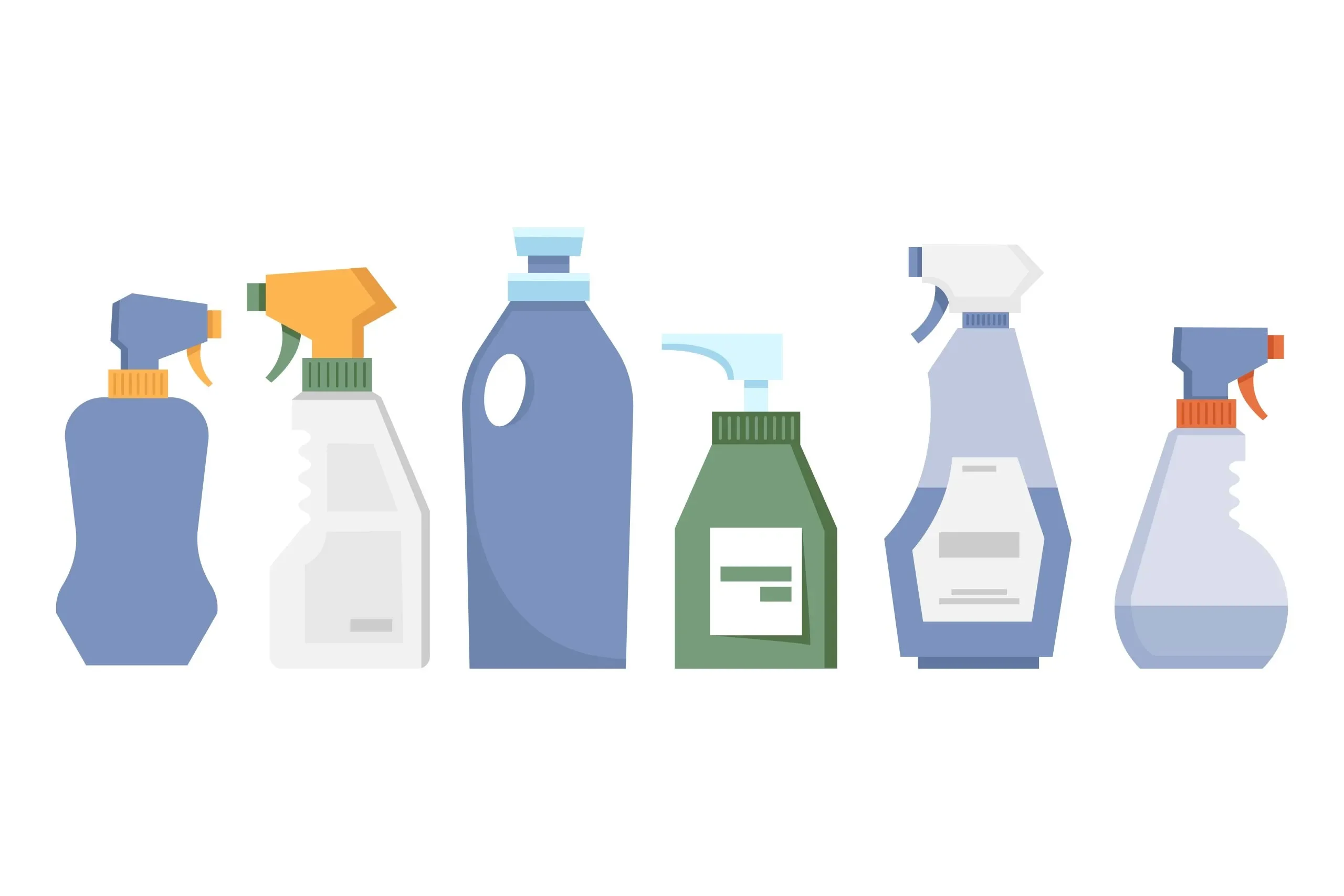
Toilet Cleaner or Disinfectant: Choose a cleaner that removes stains, kills germs, and deodorizes. For eco-friendly cleaning, vinegar and baking soda are great alternatives.
Optional:
Pumice Stone: A pumice stone removes tough stains, like hard water rings and limescale, but won’t scratch the porcelain.
Toilet Cleaning Tablets: Drop-in tablets help keep the bowl clean. They prevent build-up and freshen it with each flush.
Disinfecting Wipes: These are handy for quick clean-ups of the seat, lid, and handle in high-traffic bathrooms.
How Long Does It Take To Clean The Toilet
The time it takes to clean a toilet depends on the level of dirt and the thoroughness of the cleaning. On average:
- Basic Cleaning: A quick clean, including scrubbing the bowl, wiping down the seat, lid, and handle, can take around 5 to 10 minutes. This is ideal for regular maintenance to keep the toilet hygienic.
- Deep Cleaning: A more thorough clean may take 15 to 20 minutes. It includes scrubbing under the rim, cleaning the exterior, and possibly tackling stains or limescale. It is recommended to clean the toilet weekly or bi-weekly, depending on usage.
- Cleaning the Tank: If you’re also cleaning the toilet tank, it can add 10 to 15 minutes to your routine, depending on the build-up inside.
A deep clean can take 20 to 30 minutes. It will fully sanitize the toilet and remove all stains. Regular maintenance reduces the time needed for deep-cleaning sessions.
How to Clean the Toilet
Gather Your Cleaning Supplies
Start by gathering all the necessary tools and products. You’ll need a toilet brush, scrubber, or sponge. Also, get rubber gloves, a bucket, and possibly a pumice stone for tough stains. For cleaning products, have a toilet cleaner or disinfectant. Also, keep vinegar and baking soda for eco-friendly options. Disinfecting wipes can also be useful for quick touch-ups.
Prepare the Toilet for Cleaning
Clear the area around the toilet by removing any rugs or trash cans to avoid splashing them with cleaner. Put on rubber gloves to protect your hands from germs and cleaning chemicals.
Apply the Toilet Cleaner
Pour the toilet cleaner around the inside of the bowl. Coat the entire surface, especially under the rim. Allow the cleaner to sit for a few minutes to break down stains and kill germs.
How to Clean the Toilet Bowl
Use the toilet brush to scrub the inside of the bowl, focusing on the area under the rim and around the drain hole. Use firm, circular motions to remove stains. If you encounter hard water stains or a toilet ring, gently scrub them away with a pumice stone. After scrubbing the bowl, flush the toilet. This will rinse away the cleaner and any debris.
How to Clean Under the Toilet Rim
Focus on cleaning under the rim, where bacteria and grime often accumulate. Use the toilet brush to scrub thoroughly and ensure it’s clean. If necessary, flush the toilet again to rinse away any remaining cleaner.
How to Clean the Toilet Tank
If you choose to clean the tank, turn off the water supply valve behind the toilet. This will stop water flow to the tank. Flush the toilet to empty the tank. Use a scrubber or sponge to clean the inside walls of the tank, removing any mineral build-up or grime. Once clean, turn the water supply back on and allow the tank to refill. Flush the toilet again to rinse.
How to Clean the Toilet Seat and Exterior
Wipe down the seat and lid using a disinfecting wipe or a cloth with a disinfectant solution. Be sure to clean both the top and bottom of the seat, as well as the lid. Pay special attention to the flush handle, which harbors germs, and wipe it thoroughly. Finally, clean the toilet’s outside, including the tank, base, and bolts. Use a scrubber or sponge with your chosen cleaner.
Rinse and Inspect
After cleaning all parts, flush the toilet. This will rinse away the cleaning products. Please check the toilet for any stains or areas needing more cleaning.
Dispose of Cleaning Materials
When you’re done, rinse the toilet brush and any other tools used in the cleaning with hot water. Allow them to dry completely before storing them. If you used disposable gloves or wipes, discard them in a trash bag.
Maintain Regular Cleaning
To keep your toilet clean, wipe the handle and seat daily with a disinfecting wipe. Clean the toilet this way at least once a week. This will keep it spotless and hygienic.
How to Remove Tough Stains from a Toilet
Tough stains in a toilet, like hard water marks, rust, and limescale, can be stubborn. But, the right tools and approach can remove them.
Identify the Toilet Stain
Different stains need different treatments. Hard water stains are chalky white or gray. Rust stains are reddish-brown. Limescale is a thick, crusty buildup. Knowing what you’re dealing with helps in choosing the right method.
Use a Pumice Stone
A pumice stone is excellent for scrubbing away tough stains without scratching the porcelain. Wet the stone first, then gently rub it over the stained area until the stain begins to lift. Be sure to keep both the stone and the area you’re cleaning wet to avoid scratching the surface.
Apply Vinegar and Baking Soda
For a natural cleaning solution, pour about a cup of vinegar into the toilet bowl, especially over the stained areas. Let it sit for a few minutes, then sprinkle baking soda over the vinegar. The fizzing action helps break down the stains. Scrub the area with a toilet brush after letting the mixture sit for about 10-15 minutes, then flush the toilet to rinse.
Use a Toilet Bowl Cleaner
For stubborn stains, a commercial toilet cleaner can be effective. Follow the product instructions. They usually involve applying the cleaner directly to the stains, letting it sit, and then scrubbing with a toilet brush. Products containing bleach or other strong cleaning agents can be very effective but should be used with caution.
Try Borax Paste
Borax is another powerful cleaner for tough stains. Make a paste by mixing Borax with a small amount of water. Apply the paste to the stained areas and let it sit for 15-20 minutes. Scrub with a toilet brush or sponge, then flush to rinse.
Prevent Future Stains
To prevent stains, use a toilet cleaning tablet. It helps keep the bowl clean between deep cleans. Regular maintenance can help reduce stains. Clean weekly and use a water softener if you have hard water.
FAQ
How often should I clean my toilet?
Clean your toilet at least once a week. This keeps it hygienic and free from stains, germs, and odors. For busy bathrooms or homes with many people, you may need to clean more often—maybe every few days. Regular cleaning prevents limescale, hard water stains, and bacteria. This makes each cleaning easier. Besides weekly deep cleans, wipe the toilet daily with a disinfecting wipe. Focus on the handle, seat, and exterior. This will help keep it germs-free.
What should I avoid when cleaning?
When cleaning your toilet, avoid abrasive tools. Steel wool, wire brushes, and harsh scouring pads can scratch the porcelain. This makes it more prone to staining and damage over time. Also, avoid using too many harsh chemicals. They can corrode plumbing and harm the environment. Mixing cleaning products, especially those with bleach and ammonia, is very dangerous. It can create toxic fumes that are harmful if inhaled. Use only the recommended cleaning tools. Follow the instructions on any cleaning products to ensure safety and effectiveness.
Can I use bleach to clean my toilet?
Yes, bleach is a strong disinfectant. It can effectively clean and sanitize your toilet. It helps kill bacteria, remove tough stains, and keep the bowl sparkling white. To use bleach, apply it to the inside of the toilet bowl, under the rim. Let it sit for 10-15 minutes. Then, scrub with a toilet brush and flush. Apply bleach in limited amounts. Frequent use can damage the porcelain over time. Also, never mix bleach with other cleaners, especially those with ammonia or acids. This can create harmful gasses. For a gentler, eco-friendly option, use vinegar and baking soda. They are effective for regular cleaning.