


Cleaning your house can feel overwhelming. Especially when you don’t have a clear strategy. Without a plan, it’s easy to miss important areas or spend too much time on tasks that don’t need as much attention. Clutter, dirt, and germs can accumulate quickly, making the job harder. But, by using a structured approach and the right tools, you can clean your home like a professional.
This article will help you clean your home professionally. We’ll go over creating a cleaning checklist, gathering the supplies you need and prioritizing your tasks for efficiency.
We’ll also share professional tips for cleaning every room: the kitchen, living room, bathroom, and bedroom.
Create a Structured Cleaning Checklist
A structured checklist is the foundation of any professional cleaning process. It organizes tasks, helps cleaners stay on track, and ensures that nothing is overlooked.
How to Prioritize Tasks for Efficiency
Start with high-traffic areas, like the kitchen and bathrooms. They accumulate the most dirt and germs. Move on to living areas and bedrooms. Save floors for last to prevent spreading dust and dirt to cleaned surfaces.
Breaking Down Cleaning by Room or Area
Organize tasks by room or zone to ensure a thorough clean. For example, focus on cleaning the kitchen countertops, appliances, and floors in one session before moving on to another room.
Timing and Frequency of a Cleaning
High-traffic areas need cleaning every week and a deep clean every few months. Set up a schedule for both.
Gather Essential Cleaning Supplies
A professional clean requires the right products and tools to be effective. Using the wrong products can damage surfaces or leave behind harmful residues.
Must-Have Cleaning Products for Every Job
The essential products you need are all-purpose cleaners, disinfectants, glass cleaners, and degreasers. Microfiber cloths, scrubbing brushes, mops, and vacuum cleaners are also important tools for you getting the job done.
Eco-Friendly vs. Traditional Cleaning Products
Eco-friendly products are a great alternative to traditional cleaners. They are safer for the cleaner and the environment. They often have fewer harsh chemicals. These products reduce the risk of toxic exposure, especially in homes with children or pets.
Safety When Using Cleaning Products
Always follow the manufacturer’s instructions for cleaning products. Wear gloves and use proper ventilation when cleaning with stronger chemicals. Never mix cleaning agents, especially bleach and ammonia. It can create dangerous fumes.
Declutter Before You Start Cleaning
Decluttering a space before cleaning ensures you can clean every surface thoroughly. Cluttered areas not only take longer to clean but can hide dust, dirt, and allergens.
Declutter Quickly
Put away items that don’t belong in the area you’re cleaning. This process helps reduce the overall mess and makes cleaning easier.
Organize for a Cleaner Space
Once you’ve decluttered, group similar items together. Use baskets, bins, and shelves to store things neatly. Make sure everything has a designated spot to avoid future clutter.
Why Decluttering Makes Cleaning Easier
A clutter-free space allows for faster, more effective cleaning. It ensures all surfaces can be wiped, dusted, or vacuumed. This reduces the risk of missing hidden dirt or germs.
How to Clean the Kitchen Professionally
The kitchen is one of the most critical areas to clean, as it is where food is prepared, and germs can easily spread. Here’s how to clean a kitchen like a professional.
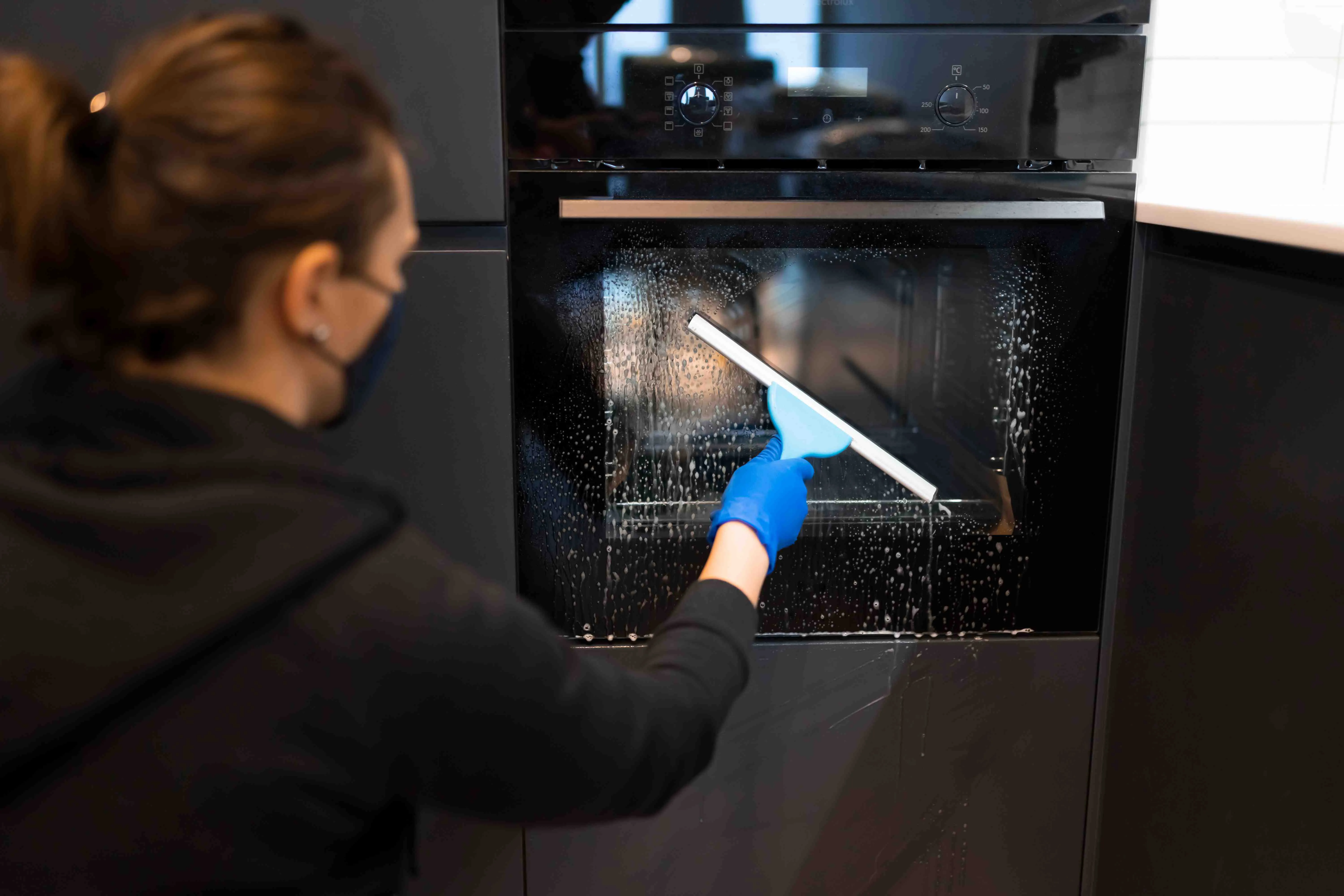
- How to Clean an Oven
- Remove racks and soak them in warm, soapy water. Scrub off any burnt-on food or grease.
- Use a scraper or sponge to remove grease from the interior.
- Apply an oven cleaner or a homemade mixture of baking soda and water. Let it sit for a few minutes before scrubbing.
- Wipe down the oven with a clean cloth to remove residue.
- If the oven is self-cleaning, follow the manufacturer’s instructions for proper use.
- How to Clean a Fridge
- Empty the fridge and remove all shelves and drawers. Wash them with warm, soapy water.
- Wipe the fridge’s interior, especially the corners and edges for hidden spills or crumbs.
- Discard expired food items and organize the remaining items.
- Defrost the freezer section as needed and clean any accumulated ice or frost.
- Clean Cabinets, Countertops, and Appliances
- Wipe down cabinet doors, handles, and interiors with a damp cloth and a mild cleaner.
- Use a disinfectant or all-purpose cleaner to wipe down countertops.
- Clean appliances like microwaves, dishwashers, and stovetops, focusing on greasy spots and fingerprints.
- Mop and Clean Kitchen Floors
- Sweep or vacuum the floors to remove crumbs and debris.
- Mop with a floor cleaner suitable for the floor type (tile, hardwood, or laminate). Pay extra attention to high-traffic areas and corners.
How to Clean the Living Room Professionally
The living room is a high-traffic area. It needs regular cleaning to stay fresh and clean.
- Dust and Wipe Furniture
- Use a microfiber cloth to dust surfaces, working from the top down to catch falling dust.
- Wipe down shelves, tables, and electronics with appropriate cleaners. Avoid using too much liquid on electronics.
- Polish wooden furniture to remove dust and add a protective layer.
- Clean Upholstered Furniture
- Vacuum upholstery to remove dirt and pet hair.
- Spot clean stains using a fabric-safe cleaner. Blot stains instead of rubbing them to avoid spreading.
- For deep cleaning, use a steam cleaner to remove stains soaked into the fabric.
- Clean Windows and Curtains
- Dust or vacuum the curtains to remove accumulated dirt.
- Use glass cleaner to wipe down windows, ensuring they are streak free.
- Clean window sills and frames with a damp cloth to remove dust and dirt buildup.
- Clean Floors
- For carpets, vacuum thoroughly and spot-clean any stains. Shampoo carpets if needed.
- For hardwood or tile floors, sweep and mop with a cleaner suitable for the floor type. Focus on removing dirt from high-traffic areas.
How to Clean the Bathroom Professionally
Bathrooms are critical areas that require thorough sanitization to prevent the spread of germs.
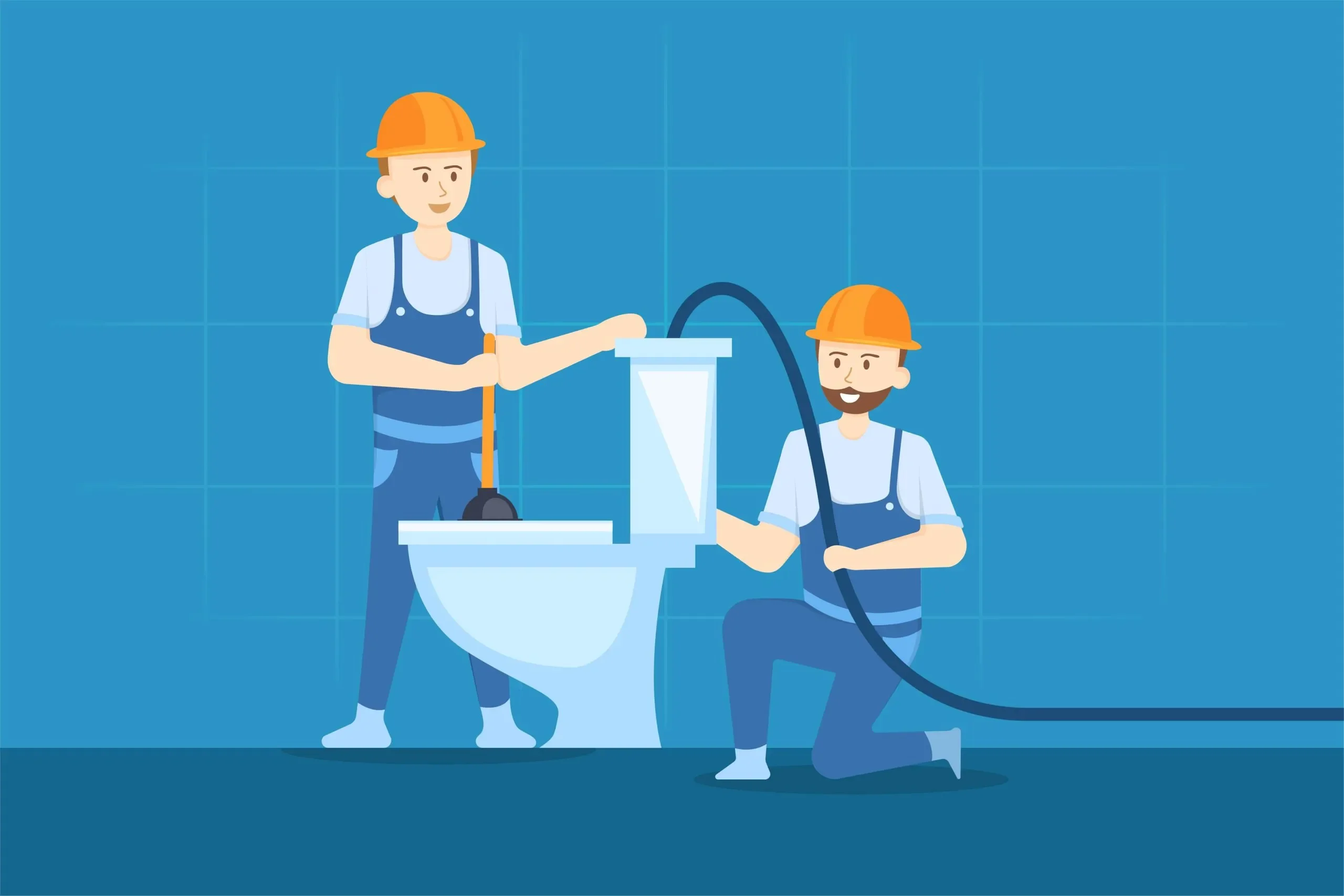
- How to Clean a Toilet
- Apply toilet bowl cleaner to the inside of the bowl and let it sit for a few minutes.
- Scrub the bowl with a toilet brush, paying attention to stains and under the rim.
- Wipe down the outside of the toilet, including the handle, with disinfectant.
- Sanitize Sinks, Showers, and Bathtubs
- Scrub sinks, showers, and bathtubs with bathroom cleaner to remove soap scum and grime.
- Rinse thoroughly and dry the surfaces to prevent water spots.
- Pay extra attention to areas around drains where mold and mildew tend to grow.
- Scrub Tiles and Grout Lines
- Use a grout brush to scrub grout lines and remove any mold or mildew. Apply a grout cleaner for tough stains.
- Rinse the tiles with water and dry them with a clean cloth.
- Clean Mirrors and Fixtures
- Spray mirrors with glass cleaner and wipe them with a microfiber cloth.
- Clean faucets and other fixtures with disinfectant to remove germs and fingerprints.
- Mop Bathroom Floors
- Sweep or vacuum the bathroom floor to remove dust and debris.
- Mop the floor with a disinfectant cleaner, paying attention to corners and around the toilet.
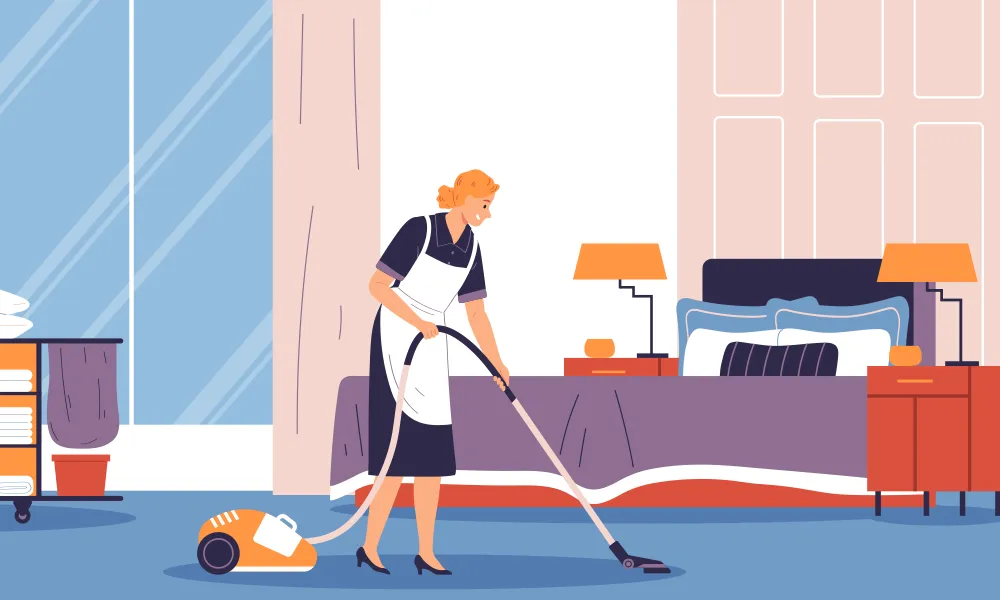
How to Clean the Bedroom Professionally
Bedrooms should be clean, organized, and free from dust to promote a healthy sleeping environment.
- Dust and Wipe Furniture
- Dust all surfaces, including nightstands, dressers, and shelves.
- Wipe furniture with a suitable cleaner, and polish wood surfaces for added shine.
- Clean Bedding and Linens
- Strip the bed and wash all bedding in hot water to kill dust mites and allergens.
- Vacuum or rotate the mattress to keep it fresh and clean.
- Spot clean the mattress if necessary, using a fabric-safe cleaner.
- Clean Floors
- Vacuum carpets, focusing on areas under the bed and around the furniture.
- For hardwood floors, sweep and mop with a mild cleaner to remove dust and dirt.
- Organize Closets and Wardrobes
- Declutter closets by sorting through clothes and accessories.
- Dust the shelves and wipe down the hangers.
- Vacuum the floor inside the closet to remove dust and debris.
Tips for Doing a Professional Cleaning
Work From Top to Bottom
Start cleaning higher surfaces like furniture and shelves before tackling the carpet. This ensures that dust or debris falls onto the carpet, which will be cleaned later.
Focus on High-Traffic Areas
Pay extra attention to areas where people walk the most, like entrances, hallways, and living room pathways. These areas accumulate the most dirt and may require many passes with the vacuum.
Take Your Time on Stains
For specific stains, let the pre-treatment sit for a few minutes before scrubbing or shampooing. This ensures a more effective stain removal.
Declutter Your Cleaning Area
Before starting, clear the room of small furniture, toys, and other items that can block the cleaning path. This makes the cleaning process more efficient and thorough.
Leave the Carpet for Last
If you’re cleaning the entire room, save the carpet for the final step. This way, you won’t accidentally re-dirty the carpet after cleaning other surfaces in the room.
Do Make Time for Deep Cleaning
Schedule a deep clean every 6-12 months, depending on usage. Deep cleaning removes dirt, allergens, and bacteria that regular vacuuming can’t.
Hiring Professional Cleaning Help
Hiring a professional cleaning service can save time and provide a deeper clean for your home or business.
When to Hire Professional Cleaners
Consider hiring professionals when you don’t have time for a deep clean or when the job requires specialized tools and products. Professional cleaners are especially helpful for large spaces or move-in/move-out cleanings.
Benefits of Hiring for Deep Cleaning
Professional cleaners have the skills and tools for deep cleaning. They can shampoo carpets, clean tile grout, and steam clean upholstery. This ensures a thorough and lasting clean.
How to Pick a Reliable Cleaning Service
- Check Reviews and Experience: Read customer reviews and testimonials to gauge the reliability of the cleaning service.
- Understand Pricing and Services: Make sure the service offers a clear breakdown of pricing and what’s included in their packages.
- Choose an Insured and Bonded Company: This ensures that you are protected in case of damage or accidents during the cleaning process.
Be clear about your expectations. Provide a detailed list of areas that need extra attention and specify any special requests, such as eco-friendly cleaning products or extra sanitization in certain areas.
Addressing Common Cleaning Challenges
Cleaning can present unique challenges, especially when dealing with stains, hard-to-reach areas, or delicate surfaces.
Removing Tough Stains and Odors
For stubborn stains, use targeted cleaners designed for specific materials like carpets, upholstery, or tile. Baking soda and vinegar can also help remove odors from fabrics and surfaces.
Reaching Difficult Spots
Use extendable dusters and small brushes to clean areas like ceiling fans, light fixtures, and the tops of cabinets. For tight spaces, consider using a handheld vacuum or narrow attachment.
Cleaning Delicate Surfaces Safely
Avoid using harsh chemicals on delicate surfaces like wood, glass, or stainless steel. Use specialized cleaners that are designed to protect the surface while still providing a deep clean.
This detailed guide provides everything you need to know to clean your house like a professional. These steps will help you keep your space clean, healthy, and welcoming.