



Owning a place near the water in Myrtle Beach sounds like a permanent vacation, right up until the ocean starts treating your home like its personal sandbox. Here is the bottom line: solid beach house maintenance is mostly about beating salt, sand, and moisture to the punch before they redecorate without your permission. Ignore them for a season and you get gritty floors, foggy windows, a mystery musty smell, and corrosion creeping across every metal thing you own. Stay ahead of it, and your home stays the kind of place people actually want to be in.
If you live here full time, this keeps your home from quietly falling apart. If you rent it out on Airbnb, it also keeps your reviews from doing the same.

What Does Beach House Maintenance Really Involve Near the Coast?
It comes down to managing three troublemakers, salt air, sand, and humidity, on a regular schedule instead of a panic basis. That is the whole game.
Coastal homes take more abuse than inland ones, full stop. The upkeep that works fine for a quiet cul-de-sac out in Forestbrook or Carolina Forest needs an extra gear once you are a few blocks from the dunes in Surfside Beach or Garden City Beach. The ocean is generous with two things: beauty and tiny destructive particles. You signed up for both. Routine beats heroics every single time, because the stuff that wrecks beach houses works slowly and quietly, like a houseguest who reorganizes your kitchen one fork at a time.
Salt Air and Sand: The Two Houseguests Who Never Leave
Salt air is sneaky. You cannot see it doing its thing, but it is busy rusting hinges, pitting outdoor fixtures, hazing your windows, and leaving a faint sticky film on basically every flat surface. Sand is the louder roommate. It rides in on flip flops and beach towels, then spends the rest of its life grinding into your floors like very tiny sandpaper.
Both of them respond to the same medicine: cleaning more often, with the right approach. Here is what actually moves the needle:
Rinse Exterior Surfaces Regularly
A quick hose-down of railings, outdoor furniture, and window frames clears salt buildup before it bakes on and becomes a project. Think of it as a quick shower for your house, minus the singing.
Once a week is plenty for most homes. After a big storm or a stretch of heavy ocean wind, give it an extra pass.
Wipe Windows and Glass Doors With a Vinegar Solution
Salt haze laughs at plain water. A little acidity cuts through the film and keeps your ocean view from looking like a fogged-up car windshield.
Mix white vinegar with water, wipe, and dry with a clean microfiber cloth so you do not trade salt streaks for soap streaks. Your view is the whole reason you bought the place. Treat it that way.
Set Up a Sand Defense at Every Entry
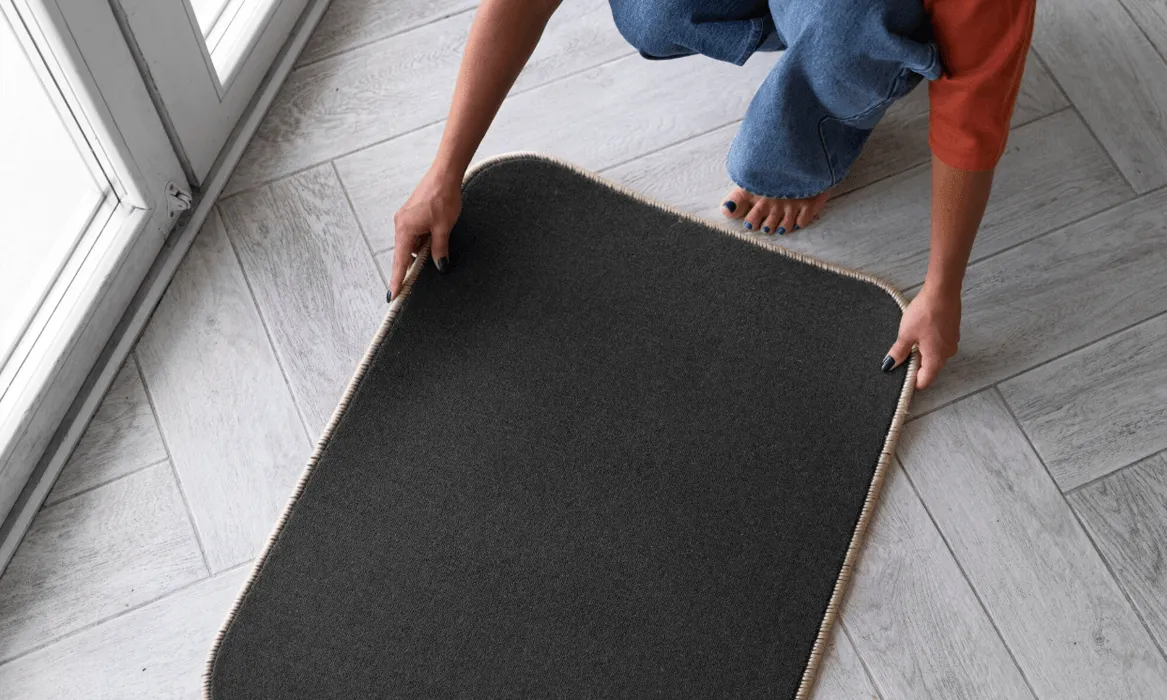
Outdoor mats, indoor mats, and a shoe basket near the door stop most of the beach from moving in. A handheld vacuum by the entry is not overkill, it is self-defense.
The trick is layering. One mat catches the big stuff, the second grabs what the first one missed, and the basket convinces everyone to lose the sandy shoes before they hit your floors.
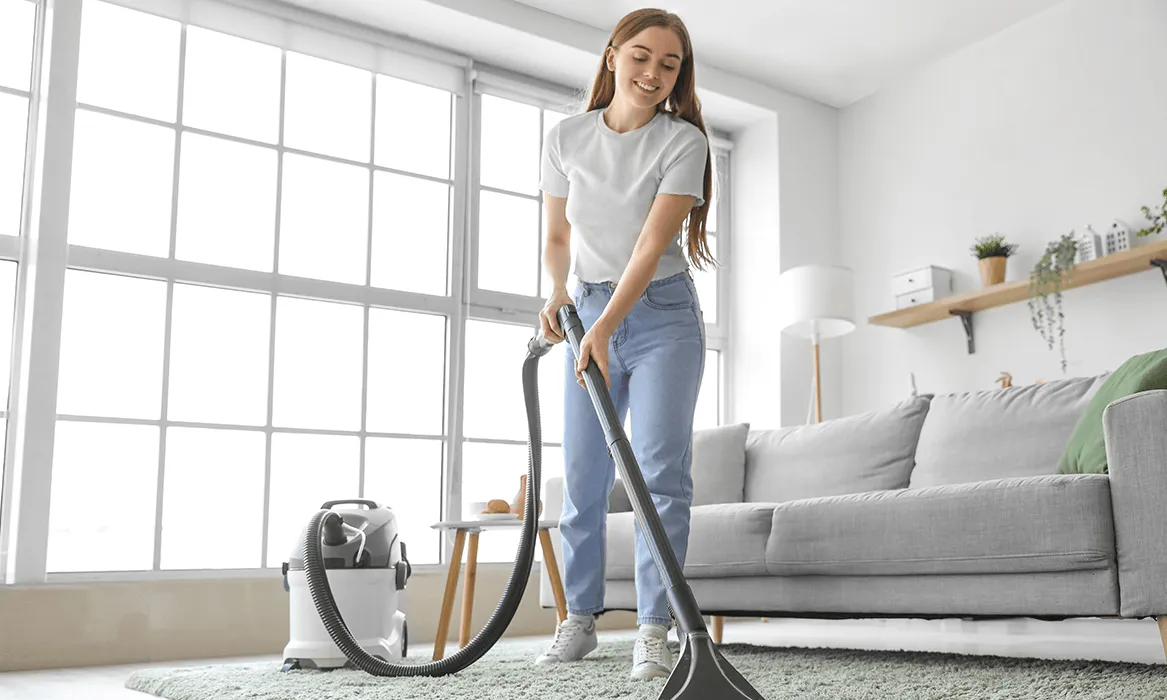
Vacuum and Damp-Mop Hard Floors Often
Sand scratches finishes over time, so the goal is removing it before it gets stepped on a hundred more times. Every footstep grinds it in a little deeper.
Vacuum first to lift the grit, then damp-mop to catch the fine dust the vacuum left behind. Skip the mop-first move unless you enjoy pushing mud around.
Protect Metal Fixtures
A light coat of protectant on outdoor hardware slows the rust that salt air loves to start. Hinges, handles, light fixtures, and railing brackets are usually the first to go.
Check them every few months and reapply as needed. Five minutes now beats shopping for replacement hardware later.
None of this is glamorous. All of it saves you from replacing things that should have lasted years longer.
Humidity and Mold: The Smell Nobody Books a Vacation For
Now for the quiet villain. Humidity does not announce itself. It just settles into closets, bathrooms, and that one corner behind the couch, and then one day your home smells like a damp basement that wandered to the beach. For a rental, that smell is a one-star review wearing a trench coat.
Here is the science worth knowing. The U.S. Environmental Protection Agency recommends keeping indoor relative humidity below 60 percent, ideally between 30 and 50 percent, and notes plainly that mold simply cannot grow without moisture. If wet or damp materials or areas are dried 24 to 48 hours after a leak or spill happens, in most cases mold will not grow. That tight window is your best friend along the Grand Strand, where outdoor humidity treats “moderate” as a personal challenge. EPA
What that means for your home, in plain terms:
A cheap hygrometer (you can grab one for the price of a couple of beach coffees) tells you exactly where you stand. Run the AC or a dehumidifier when numbers climb. Use the exhaust fan every time someone showers, which in a busy rental is roughly always. Dry wet towels and bath mats instead of leaving them in a heap. And check the usual hiding spots, under sinks, behind the toilet, around window seals, where moisture likes to throw private parties. Homes closer to the marsh side near Murrells Inlet and Little River tend to fight this battle a little harder, so adjust accordingly.
Cleaning Tips for Airbnb and Vacation Rental Turnovers
If your place is a rental, you already know the turnover clock is merciless. One group checks out at 10, the next checks in at 4, and the laundry alone could qualify as cardio. The pressure is real, and guests notice the gap between “clean” and “actually clean” the moment they walk in.
A few habits keep turnovers from turning into meltdowns:
- Build a repeatable checklist: same rooms, same order, every time. Consistency is what separates a five-star rental from a “it was fine, I guess” rating.
- Stage for the salt and sand reality: coastal guests track in the beach. Stock extra entry mats and make floor cleaning a non-negotiable step, not an afterthought.
- Attack odors at the source, not with a spray: air freshener over a musty smell is like a mint over garlic. Ventilate, dry, and remove the cause instead.
- Inspect like a guest, not an owner: owners stop seeing their own clutter. Walk in pretending you just paid for the night and check what your eyes land on first.
Tight turnaround days in Myrtle Beach and North Myrtle Beach are exactly where a lot of hosts decide that doing it all themselves is a hobby they no longer want. Which brings us to the part where you get your weekends back.
A Season-by-Season Game Plan
Beach house maintenance is easier when you stop treating it as one giant chore and split it across the year. Here is a simple rhythm that works for most homes from Atlantic Beach down to Conway:
Spring
Deep clean after the quieter months. Wash the windows, clear off the salt buildup, and hunt down any mildew that moved in over winter without paying rent. Refresh the entry mats before the crowds arrive.
Summer
High traffic, high humidity, all at once. Clean more often than feels reasonable, stay on top of the sand, and let the dehumidifier earn its keep. Keep a close eye on those bathrooms, because summer is when they turn against you.
Fall
Time to reset and recover. Catch up on the spots that got skipped during the busy stretch, when “good enough” was doing a lot of heavy lifting. Inspect outdoor fixtures for early rust while you are at it.
Winter
Lower traffic, but humidity does not take a holiday. Keep the airflow going, check the usual corners for dampness, and finally tackle the deeper projects you have been dodging since June.
Four small pushes across the year beat one heroic, exhausting weekend where you swear at a mop. Trust me on that one.
Where MaidThis Cleaning of Myrtle Beach Fits In

MaidThis Cleaning of Myrtle Beach helps homeowners and short-term rental hosts across the Grand Strand keep their places genuinely clean, from full-time homes in Carolina Forest to busy vacation rentals steps from the sand in Surfside Beach. The cleaners are vetted, every applicant goes through a real screening process, and the focus stays on the details that coastal homes actually need. Prefer eco-friendly products? Just ask, and that can be part of the plan.
Here is what that means for you. You skip the grind of salt, sand, and humidity duty. You get turnovers handled on time so your calendar stays bookable and your reviews stay glowing. And you spend your beach days actually at the beach, instead of staring down a vacuum wondering where all this sand keeps coming from.
If your beach house maintenance routine has quietly become a second job, that is your cue. Reach out to MaidThis Cleaning of Myrtle Beach, tell us your schedule, and let the cleaning be somebody else’s problem for once. Your floors, your windows, and your future self will thank you.