



Sand is a package deal with coastal living. You get the sunsets, the salt air, the ocean views, and in exchange, your floors get a daily delivery of grit that no doormat can fully stop. That is why beach house flooring is one of those decisions that quietly determines whether your weekends involve relaxing on the porch or vacuuming like it’s a competitive sport. Whether you live near the water full time or run a vacation rental in Garden City Beach that sees a new set of sandy feet every Saturday, the right floors can cut your cleaning time in half. The wrong ones can make you resent your own house.
Let’s fix that before you buy, replace, or regret anything.

What Is the Best Flooring for a Beach House?
Short answer: luxury vinyl plank (LVP), porcelain tile, and engineered hardwood, in roughly that order. All three handle sand, moisture, and humidity without falling apart, and all three can be cleaned with a broom and a damp mop instead of a prayer. Solid hardwood and wall-to-wall carpet are the two options that struggle most in coastal conditions.
Now the longer answer, because “it depends” is doing some real work in that ranking.
Why Coastal Homes Chew Through the Wrong Floors
Homes from North Myrtle Beach down to Murrells Inlet deal with three things inland houses mostly don’t:
- Sand, which acts like sandpaper underfoot and scratches soft surfaces every time someone walks across the room
- Humidity, which makes wood swell, warp, and cup over time
- Salt air, which accelerates wear on finishes and corrodes anything metallic near entryways
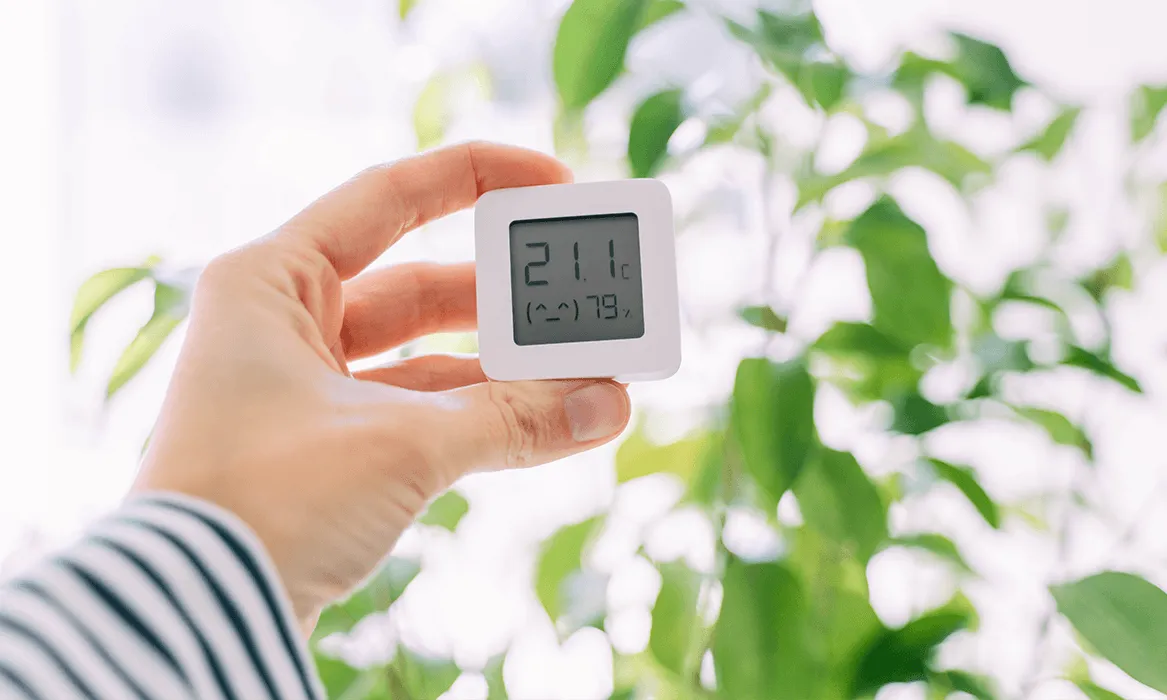
The humidity piece matters more than most people think. The EPA recommends keeping indoor humidity below 60 percent, ideally between 30 and 50 percent, to prevent mold growth. Along the Grand Strand, summer outdoor humidity routinely blows past that, and every open sliding door invites it inside. Your flooring either tolerates that reality or it doesn’t. There is no negotiating with physics.
Coastal Flooring Ideas That Actually Work
Luxury Vinyl Plank: The Overachiever
LVP is the honor student of coastal flooring ideas. It’s fully waterproof, scratch-resistant, and convincingly mimics wood without any of wood’s emotional fragility around moisture. Drop a wet beach towel on it and forget about it until Tuesday. Nothing happens.
For rental owners in Surfside Beach or Little River, LVP is close to a cheat code. Guests are lovely people who will absolutely walk inside dripping wet holding a boogie board, and LVP simply does not care. Cleaning is a sweep and a damp mop. Done.
Porcelain Tile: The Tank
Tile is what you choose when you want floors that will outlive your mortgage. It shrugs off water, sand, salt, sunscreen, and that mystery punch someone spilled during the family reunion. It stays cool underfoot in July, which your bare feet will thank you for after a walk across a hot driveway.
The trade-offs: grout lines need occasional attention, and tile is unforgiving when you drop a coffee mug. Think of it as the friend who is incredibly reliable but a little rigid about it.
Engineered Hardwood: Real Wood, Fewer Tears
If you want genuine wood underfoot, engineered hardwood is the coastal-appropriate version. Its layered construction resists humidity swings far better than solid planks. It still isn’t waterproof, so it belongs in bedrooms and living areas rather than bathrooms or right at the beach entrance. Homes a bit further from the spray, in Carolina Forest or Forestbrook, can get away with it more comfortably than an oceanfront cottage can.
What to Skip (and Why Your Future Self Will Thank You)
Some flooring for beach house settings sounds cozy in theory and becomes a maintenance hostage situation in practice:
- High-gloss anything. Glossy finishes show every footprint, every grain of sand, and every smudge, in high definition, at all times.
- Wall-to-wall carpet. Carpet near the ocean is basically a sand archive. Every grain that comes inside gets filed away in the fibers permanently, along with humidity and whatever your dog rolled in. Washable area rugs, fine. Carpet everywhere, no.
- Solid hardwood. Beautiful, timeless, and constantly at war with coastal humidity. Expect cupping, gapping, and refinishing bills.
- Cheap laminate. Older or budget laminate swells at the seams the moment water finds an edge. And water always finds an edge.
Keeping Beach House Floors Clean Without Losing Your Mind
Even the best beach house floors need a routine. The good news is that the routine is short if the flooring choice was smart:
- Put a serious doormat outside and a second one inside every entry. Two mats stop a shocking amount of sand before it starts its journey to your bedroom.
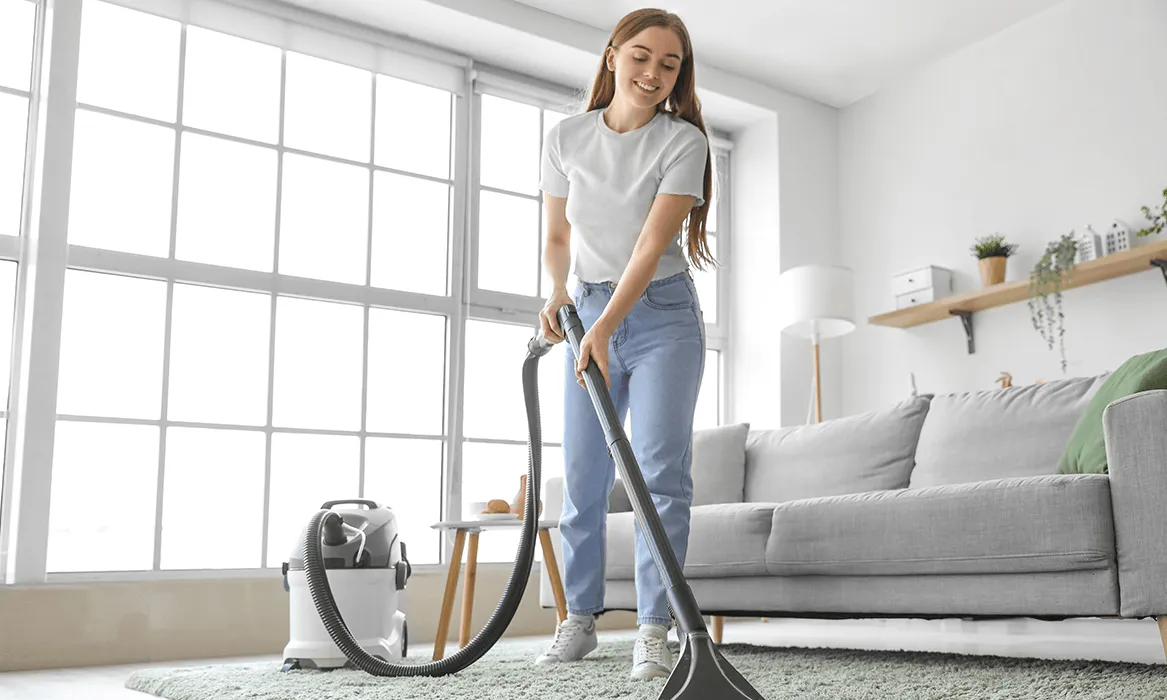
- Sweep or dry-vacuum before you mop. Wet sand smears; dry sand lifts.
- Use a damp mop, not a soaked one, especially on engineered wood.
- Rinse entry areas more often in summer, when foot traffic from Conway day-trippers and out-of-town guests peaks.
- For rentals, schedule professional cleanings between every turnover so grit never accumulates long enough to scratch.
That last one is where most Airbnb hosts either build a five-star reputation or collect reviews mentioning “sandy floors” (a phrase that haunts vacation rental owners the way “the” haunts nobody).
A Quick Word About MaidThis Cleaning of Myrtle Beach

MaidThis Cleaning of Myrtle Beach connects homeowners and vacation rental hosts across the Grand Strand with experienced, carefully screened cleaners who know exactly what salt air and sandy feet do to a home.
Whether it’s a recurring clean for your own place or reliable turnover cleaning for your rental, booking takes minutes online. Your floors get the right care for their material, your weekends stay yours, and your guests never see a single stray grain of sand. Book your clean today and find out what your beach house looks like when someone else handles the sand.